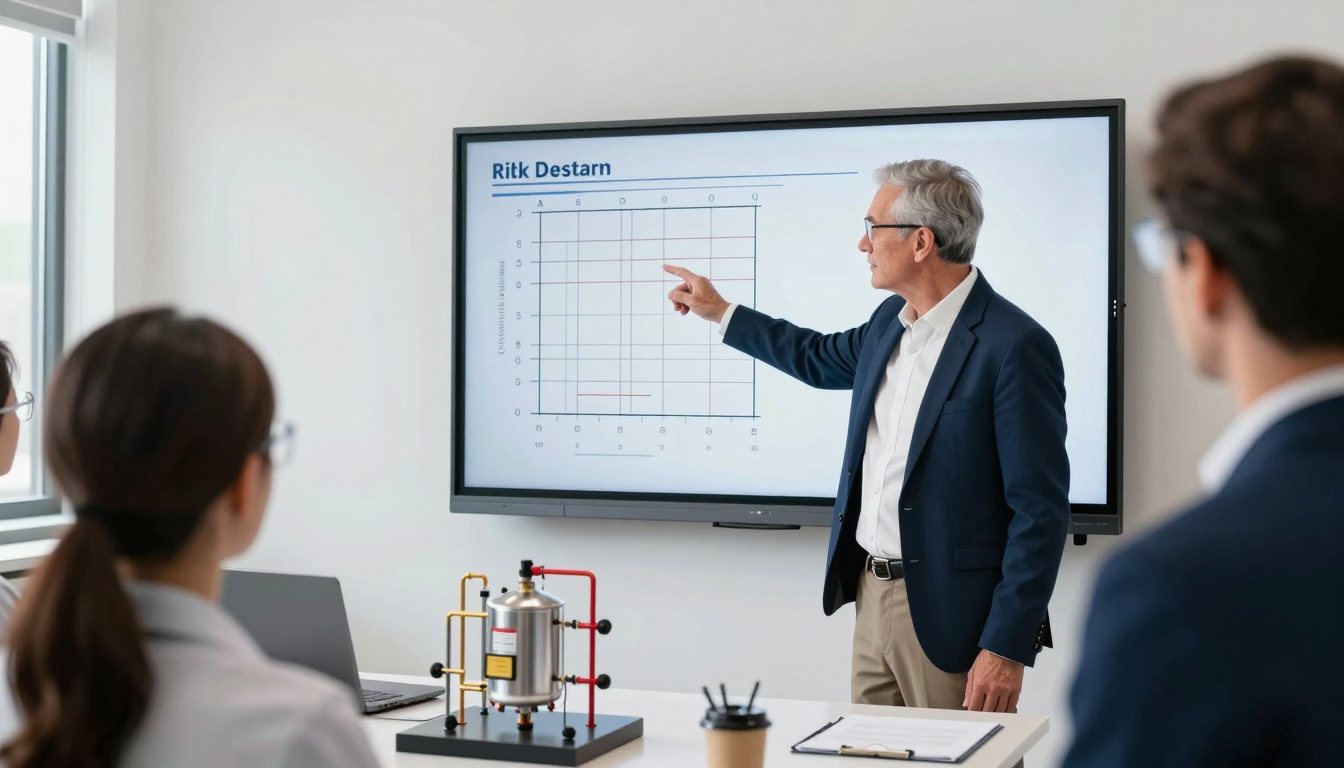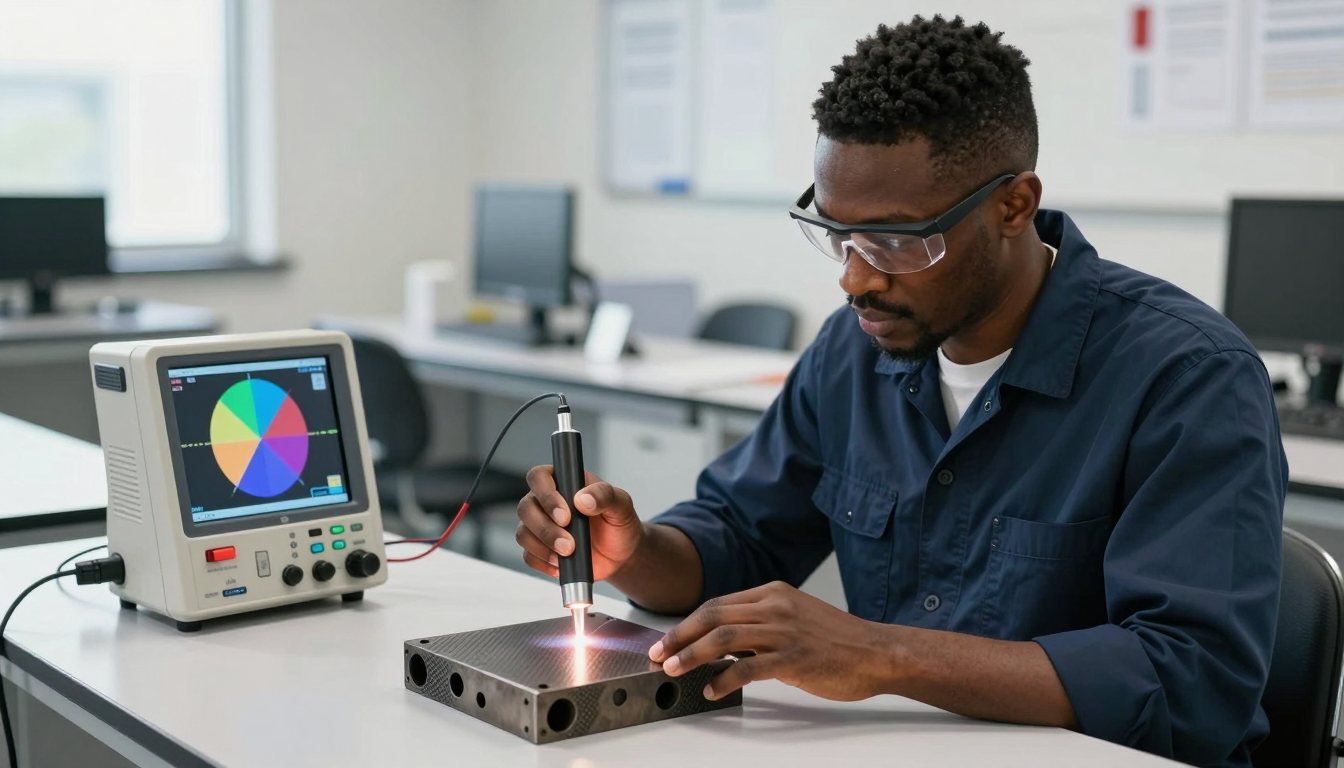

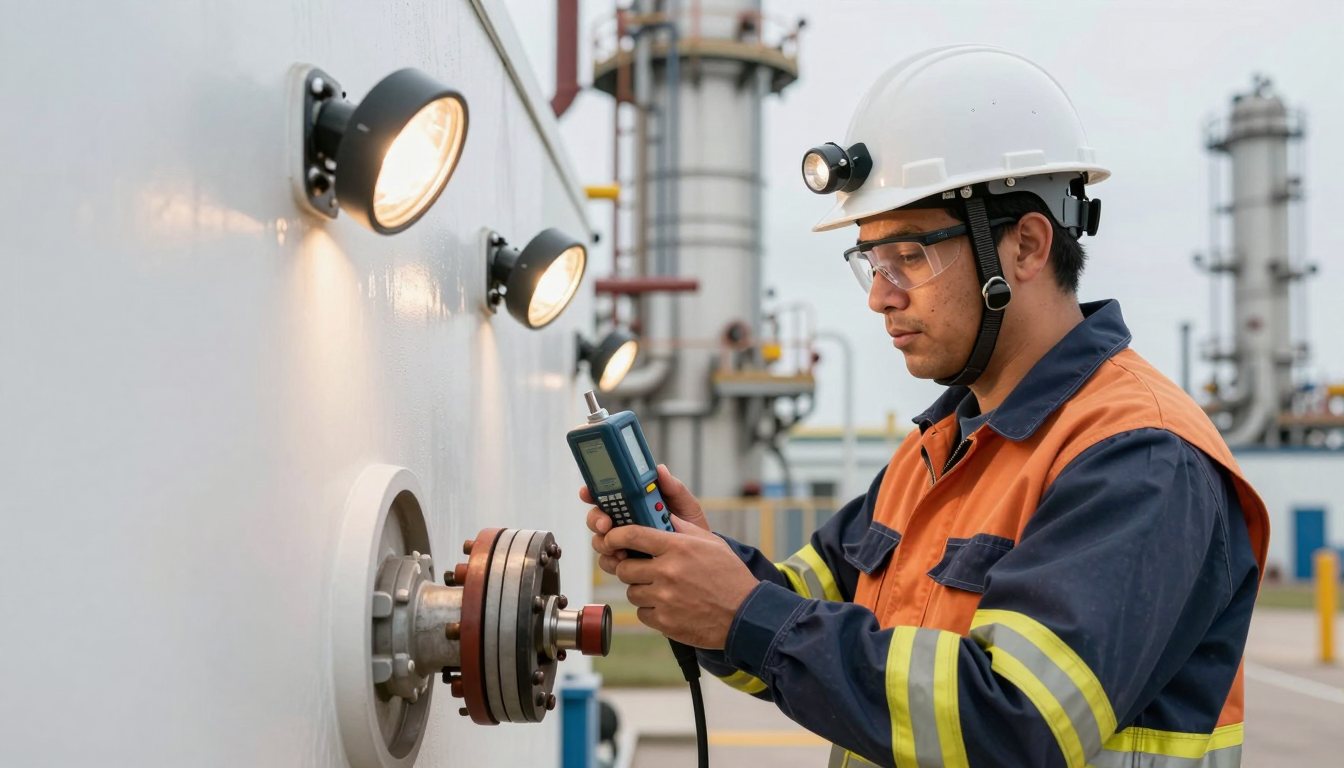
Fired boilers and process heaters operate at the boundary of high temperature, high pressure, and combustion, where tube failures and refractory damage can cause unplanned shutdowns, fires, and injuries. This course develops the knowledge required to inspect these assets effectively in accordance with API RP 573. Participants study corrosion and metallurgy in fired equipment, common heater and boiler designs, mechanical reliability, and the planning and execution of on-stream and shutdown inspections. Emphasis is placed on recognizing damage mechanisms, selecting appropriate inspection techniques, evaluating findings, and recording results that support repair and run-length decisions. Case studies drawn from refinery and petrochemical experience illustrate typical failures and lessons learned.
Who Should Attend
- Pressure equipment and fired equipment inspectors
- Mechanical integrity and reliability engineers
- Boiler and heater maintenance supervisors
- Turnaround planners responsible for fired equipment scopes
Learning Outcomes
- Identify damage mechanisms in fired equipment, including creep, oxidation, sulfidation, and fuel ash corrosion
- Describe common boiler and heater designs and their critical components
- Explain the factors that govern mechanical reliability of tubes, supports, and refractory
- Plan on-stream and shutdown inspections in accordance with API RP 573
- Select inspection techniques for tubes, headers, burners, and refractory
- Evaluate findings and recommend repair, replacement, or continued service
- Describe the qualification expectations for fired equipment inspectors
Course Outline
- Module 1 — Corrosion and Metallurgy: high-temperature damage mechanisms and material selection
- Module 2 — Common Heater and Boiler Designs: radiant and convection sections, firetube and watertube boilers
- Module 3 — Heater and Boiler Mechanical Reliability: tubes, supports, refractory, and burners
- Module 4 — Inspection Planning: API RP 573 frequency, scope, and risk considerations
- Module 5 — Inspection Methods: visual, thickness measurement, strapping, and NDT techniques
- Module 6 — Evaluation and Maintenance: remaining life, repairs, and maintenance practices
- Module 7 — Boiler Inspection and Inspector Qualification: documentation and inspector competence
Standards & References
API RP 573 — Inspection of Fired Boilers and Heaters. API Std 560 (Fired Heaters for General Refinery Service), API Std 530 (calculation of heater-tube thickness), and API RP 571 (damage mechanisms affecting fixed equipment) are referenced as supporting documents.
Assessment & Certification
Candidate competence is evaluated through a written examination and a practical case-study assessment in damage identification and inspection planning. Successful candidates receive an IIME Certificate of Training bearing a unique verification code that can be confirmed online. The program comprises 40 contact hours (5 days).
6 certificates issued for this program
- A Assad H.Iraqi
- F Firas K.Iraqi
- S Said A.Syrian
- S Sultan S.Syrian
- S Said A.Syrian
- M Mr. S.Iraqi