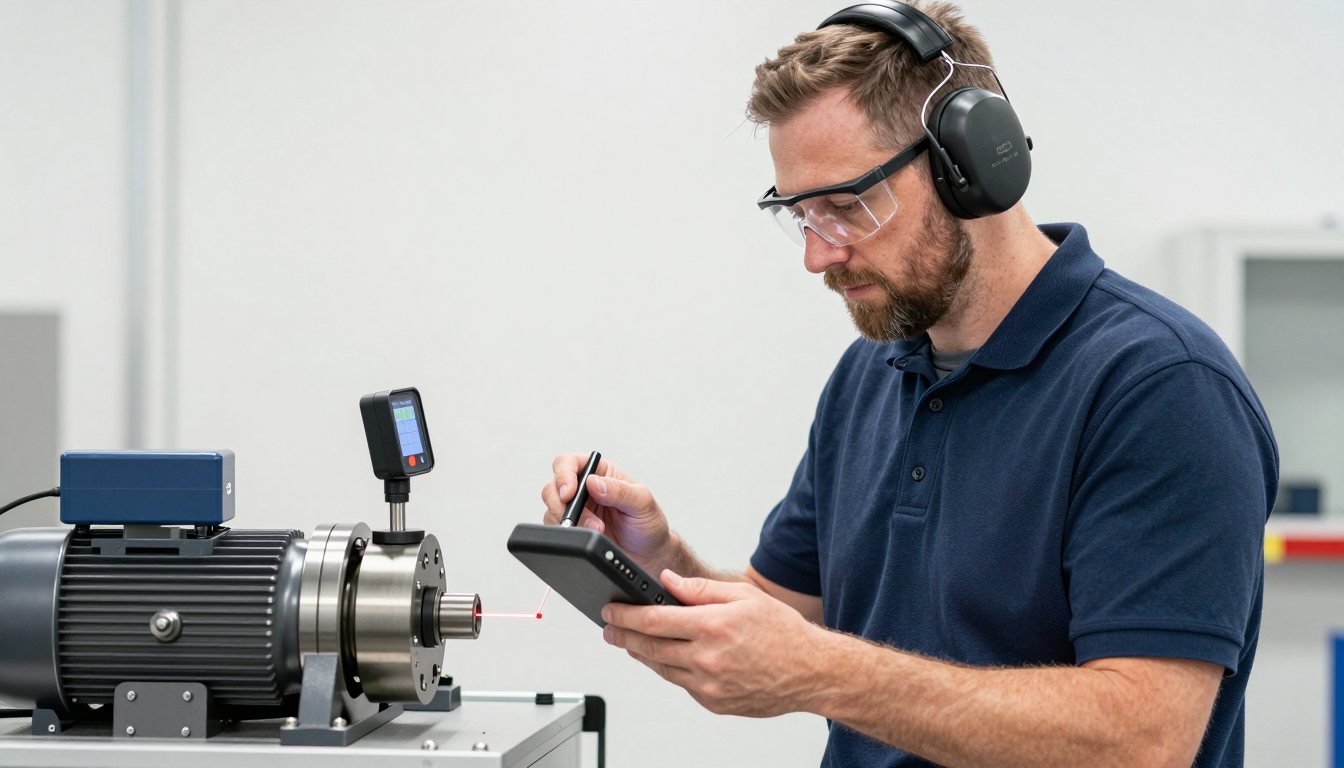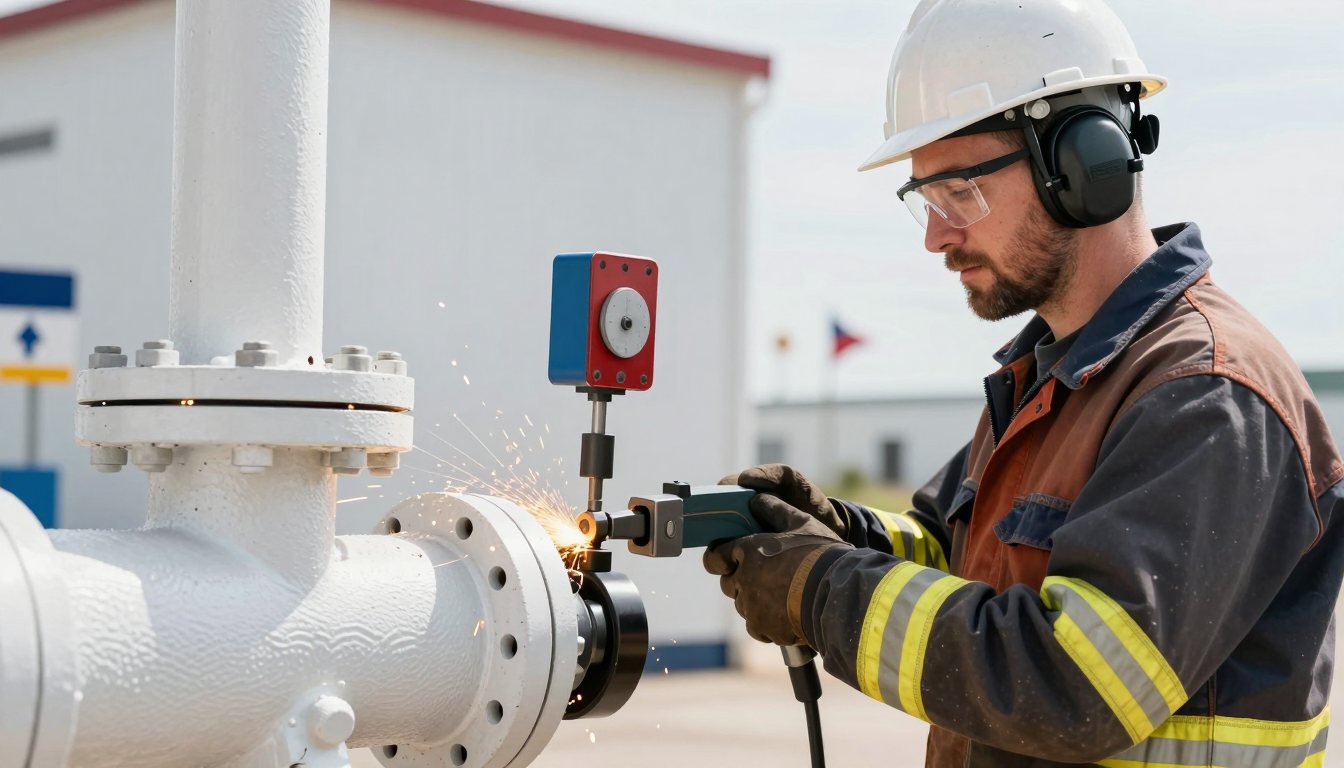

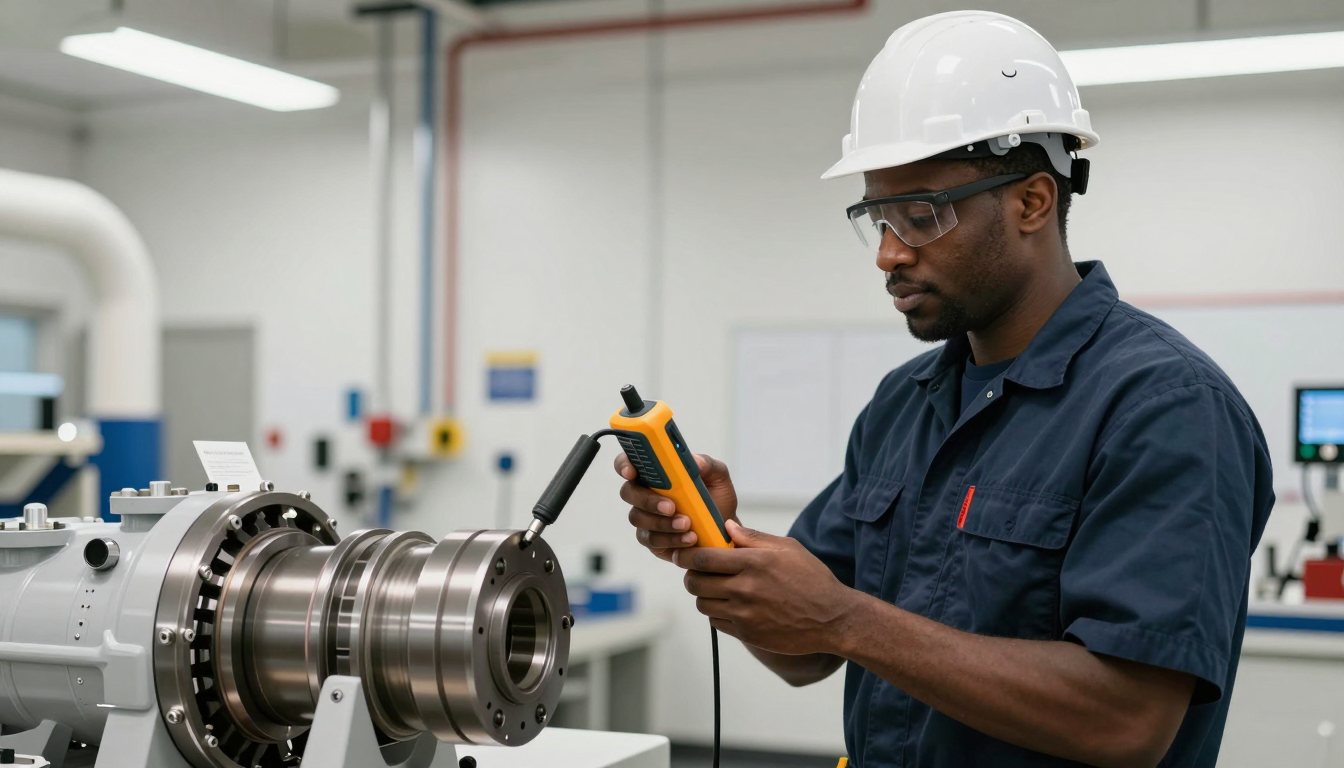
Modern maintenance organizations increasingly rely on condition-based strategies to detect deterioration before it leads to failure. This ten-day track combines the essential craft skills of the mechanical maintenance technician with a structured introduction to condition monitoring. Participants learn to service and assemble machinery correctly, then to collect and interpret vibration, temperature, lubricant, and ultrasonic data and route findings into maintenance decisions. The data-processing and information-flow model of ISO 13374 provides the framework, and paper-industry vibration guidance from TAPPI illustrates practical severity assessment for process machinery.
Who Should Attend
- Mechanical technicians moving toward predictive maintenance roles
- Reliability and maintenance team members supporting a condition monitoring program
- Technicians in pulp and paper, process, and manufacturing plants
- Maintenance planners who act on condition monitoring findings
Learning Outcomes
- Apply safe work practices and energy isolation when accessing running and stopped machinery
- Perform lubrication, bearing, seal, and gear maintenance tasks to manufacturer requirements
- Explain the ISO 13374 sequence from data acquisition to advisory generation
- Collect route-based vibration, temperature, and ultrasonic readings with portable instruments
- Recognize indications of unbalance, misalignment, looseness, and bearing defects
- Execute precision shaft alignment and verify results against tolerance
- Prepare condition reports that support planned corrective work
Course Outline
- Module 1 — HSE and Maintenance Strategy: risk assessment, lockout/tagout, and reactive, preventive, and predictive approaches
- Module 2 — Machine Elements: lubrication, bearings, seals, gears, pulleys, and couplings
- Module 3 — Assembly, Dismantling, and Precision Alignment: procedures, fits, soft foot, and laser alignment
- Module 4 — Condition Monitoring Framework: ISO 13374 data processing, communication, and presentation
- Module 5 — Vibration and Thermography Basics: data collection, trending, alarm limits, and severity guidance
- Module 6 — Lubricant Analysis and Ultrasound: sampling, wear debris, and airborne ultrasound for bearings and leaks
- Module 7 — From Data to Action: fault confirmation, work requests, and verification after repair
Standards & References
ISO 13374 (series) — Condition monitoring and diagnostics of machines: data processing, communication and presentation; TAPPI TIP 0305-34 (2008) — vibration guidance for paper machinery; ISO 20816-1 is referenced for general evaluation of machine vibration. Course content is supplemented by related international standards and manufacturer guidance.
Assessment & Certification
Candidate competence is evaluated through a written examination and practical assessments in machine assembly, shaft alignment, and condition data collection and interpretation. Successful candidates receive an IIME Certificate of Training bearing a unique verification code that can be confirmed online. The program comprises 80 contact hours (10 days).