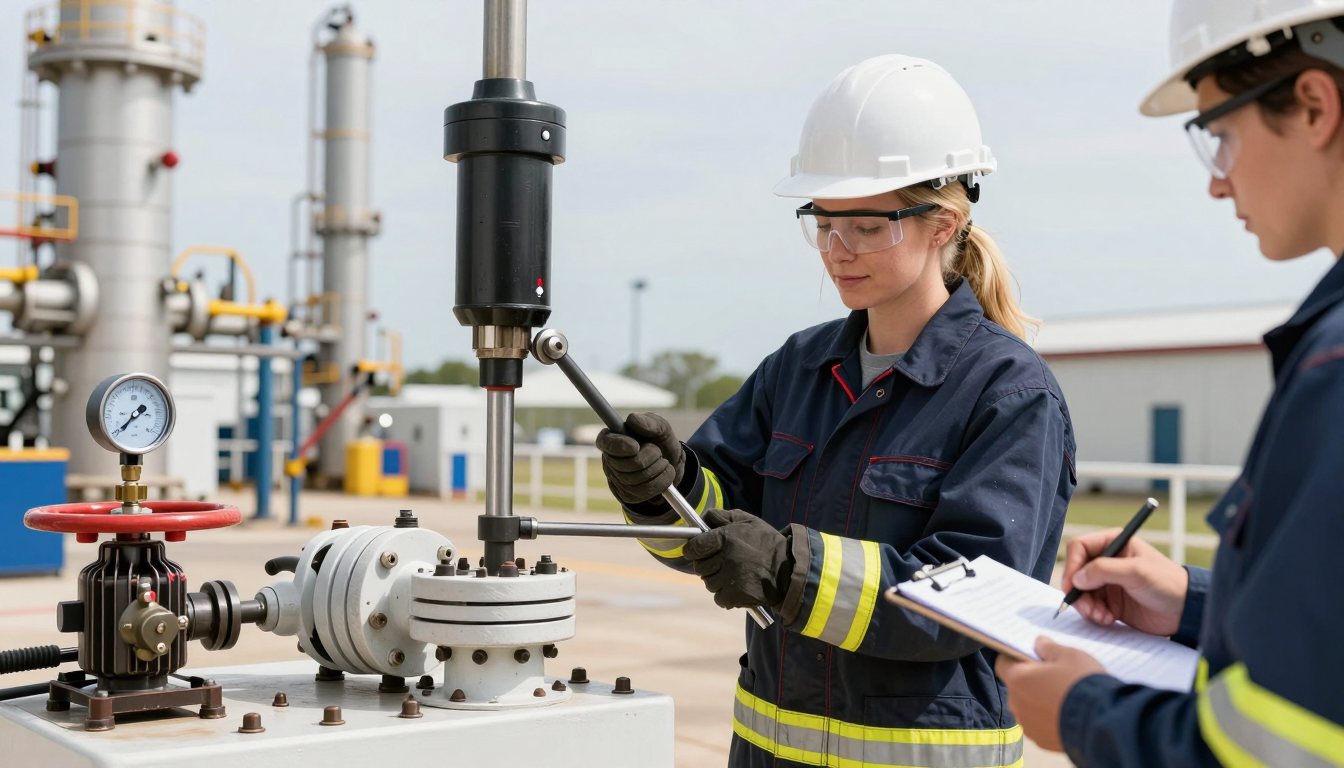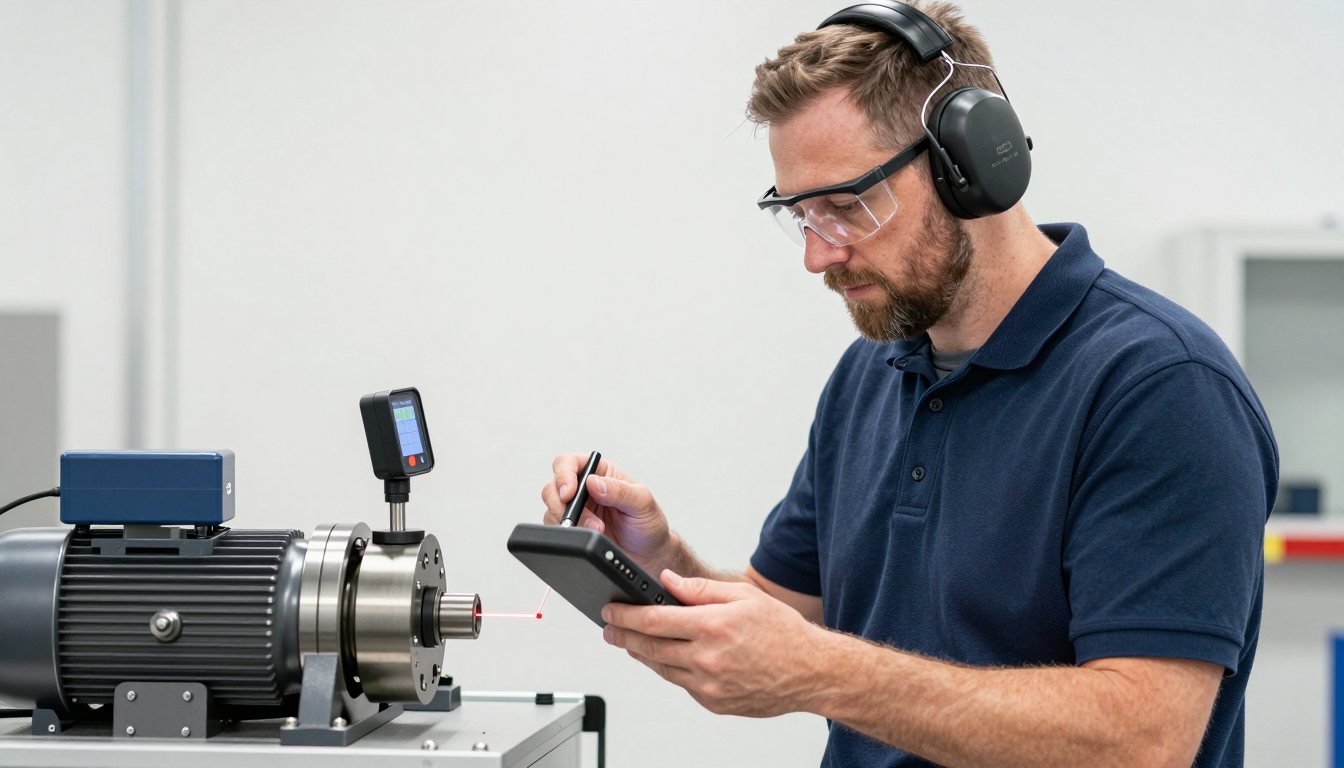

Mechanical seal failures are among the most frequent causes of pump downtime and process fluid releases. A clear understanding of how seals work, and why they fail, allows operators and technicians to protect seals during start-up and operation and to report problems before they escalate. This awareness course explains the principles of mechanical seal operation, the main seal designs and their variations, single, dual unpressurized, and dual pressurized arrangements, and the role of seal flush plans. Practical examples link seal behavior to everyday operating and maintenance decisions, such as correct venting and priming before start-up, avoidance of dry running, and monitoring of barrier and buffer fluid systems. The course provides a sound foundation for further training in seal installation and failure analysis.
Who Should Attend
- Process operators running sealed pumps and mixers
- Mechanical technicians new to seal handling
- Reliability and maintenance planners
- Storekeepers and procurement staff handling seal components
- HSE personnel concerned with fugitive emissions and process fluid releases
Learning Outcomes
- Explain how a mechanical seal creates and maintains a sealing interface
- Identify basic seal designs, including pusher, bellows, cartridge, and component seals
- Distinguish single, dual unpressurized, and dual pressurized seal arrangements
- Describe the purpose of common seal flush and support system plans
- Recognize operating conditions and practices that shorten seal life
- Report seal leakage and abnormal conditions accurately to maintenance and reliability staff
Course Outline
- Module 1 — Fundamentals of Mechanical Seal Operation: seal faces, secondary seals, and the fluid film
- Module 2 — Basic Seal Designs: pusher and bellows seals, cartridge and component designs
- Module 3 — Variations in Basic Seal Designs: balanced and unbalanced seals, rotating and stationary designs
- Module 4 — Mechanical Seal Arrangements: API 682 categories, arrangements, and configurations
- Module 5 — Seal Support Systems: piping plans, flush, quench, and barrier fluids
- Module 6 — Seal Care and Failure Awareness: handling, start-up practices, and symptoms of seal distress
Standards & References
API Std 682 — Pumps: Shaft Sealing Systems for Centrifugal and Rotary Pumps; ISO 21049 — Pumps: Shaft sealing systems for centrifugal and rotary pumps (the ISO adoption of API 682).
Assessment & Certification
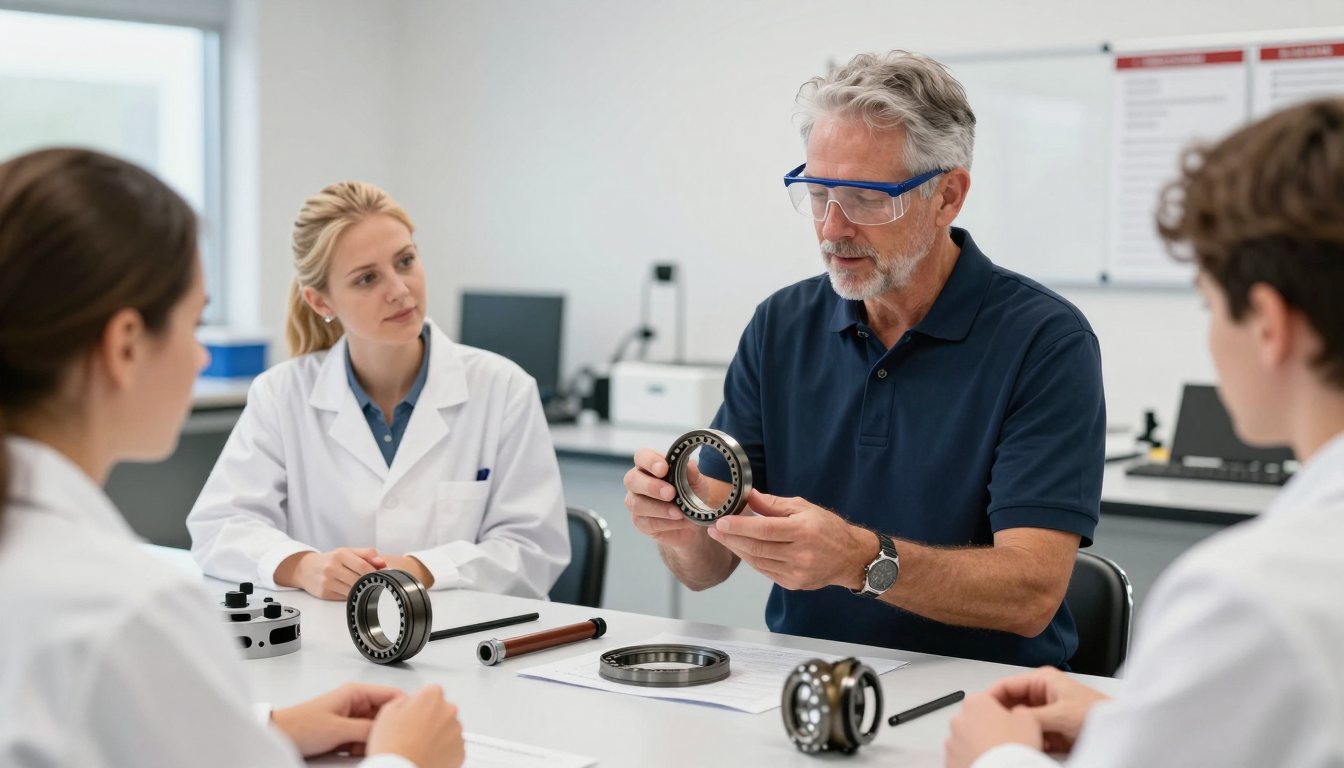
Candidate competence is evaluated through a written examination and a practical identification exercise using seal components and cutaways. Successful candidates receive an IIME Certificate of Training bearing a unique verification code that can be confirmed online. The program comprises 8 contact hours (1 day).
1 certificates issued for this program
- A Abdullah M.Iraqi