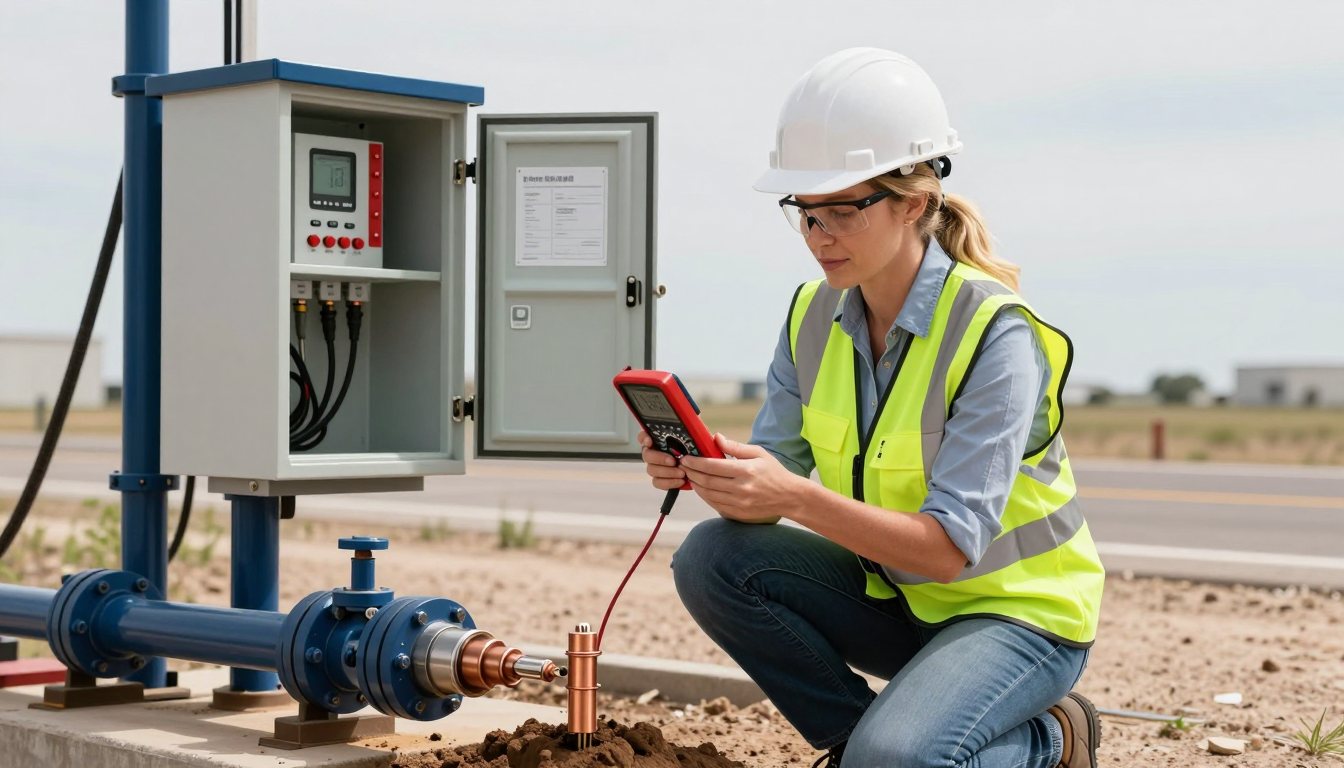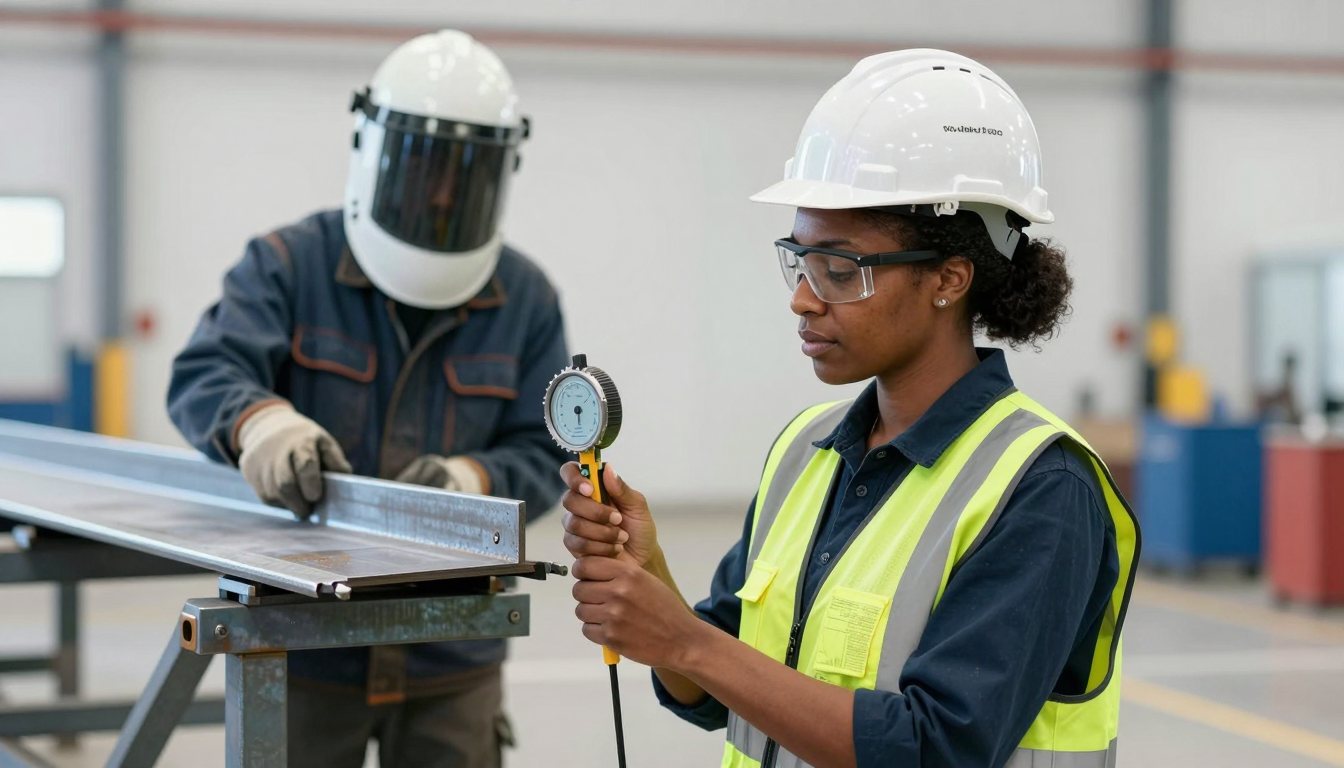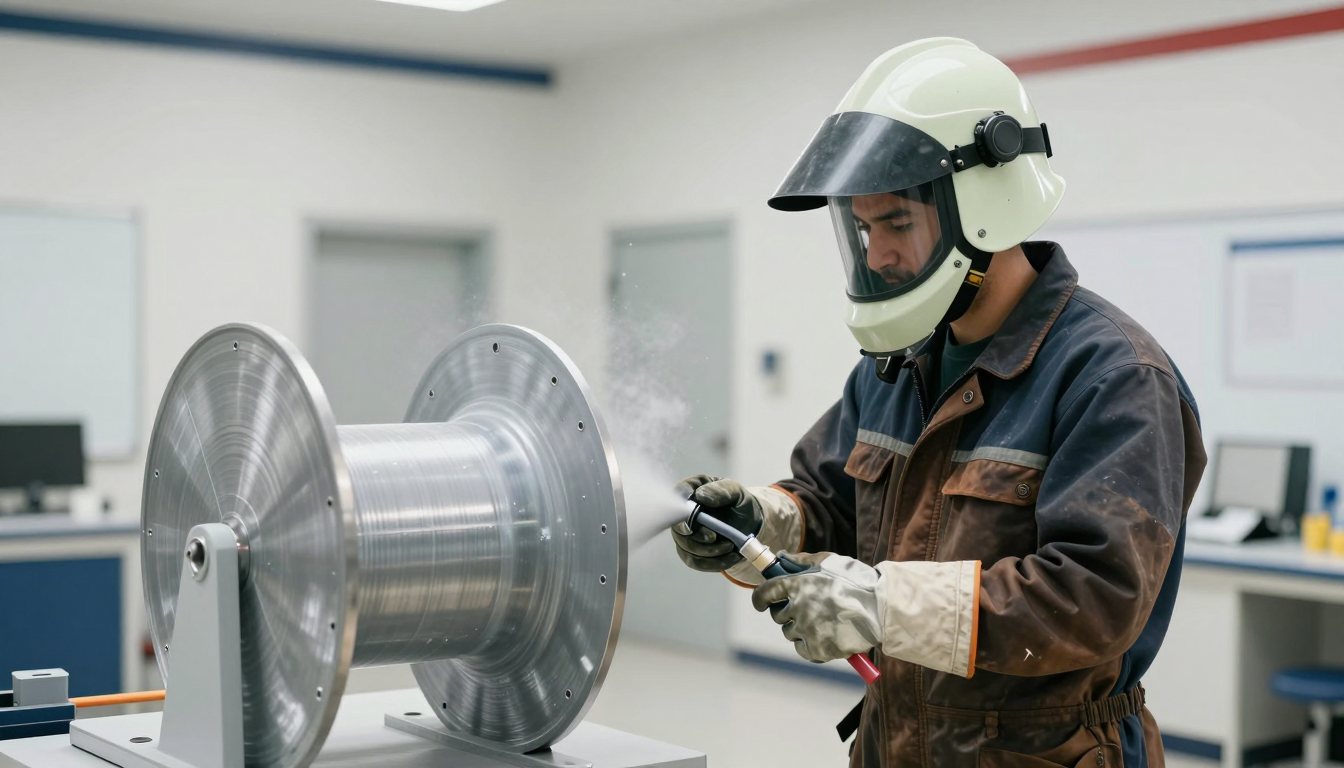

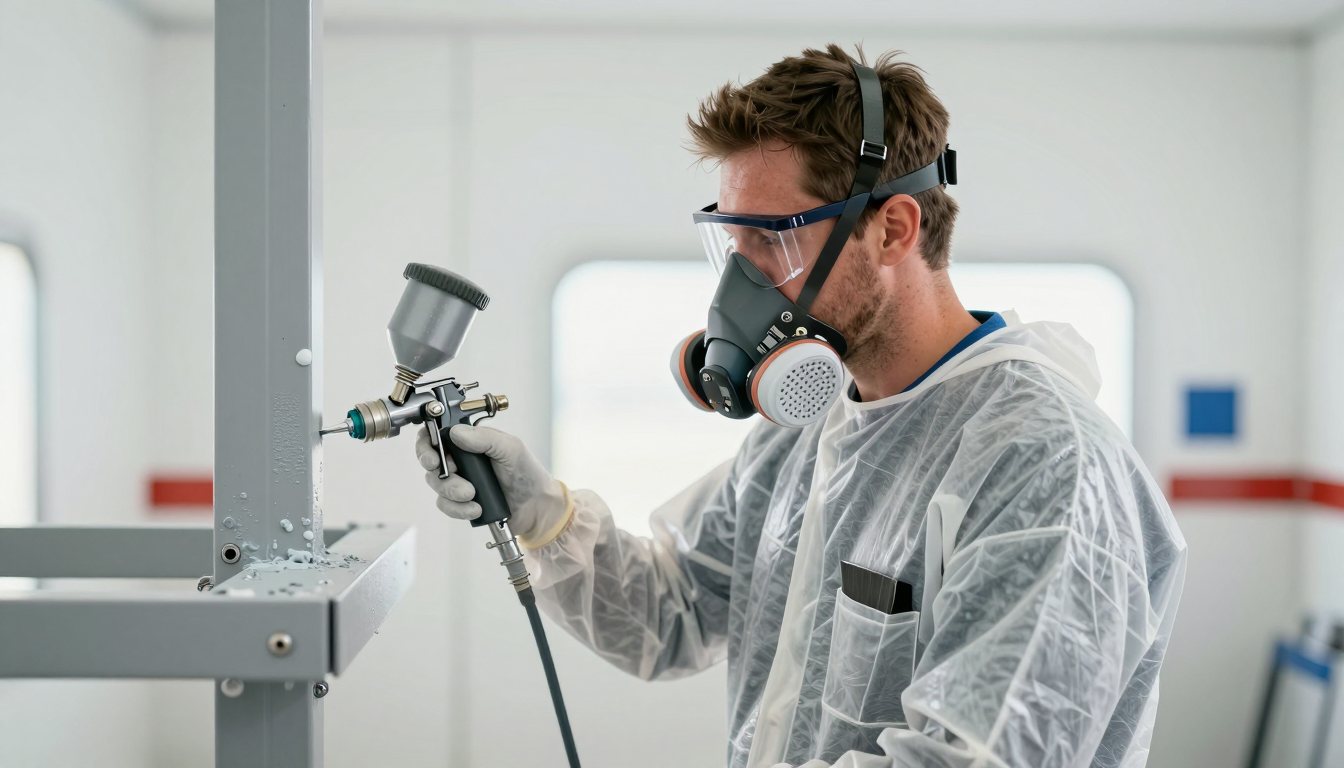
Protective coatings are the most widely used means of controlling corrosion on industrial steel structures, piping, and equipment, yet their performance depends on correct selection and careful workmanship. This Level 1 course provides technicians and painters with a sound foundation in corrosion control, coating system selection, surface preparation, and application. Participants learn why coatings fail, how preparation errors shorten service life, and how to apply coatings by brush, roller, and spray in accordance with the specification. Practical sessions develop correct technique and the use of basic inspection instruments.
Who Should Attend
- Industrial painters and coating applicators
- Maintenance technicians performing coating repairs
- Trainee coating inspectors and QA/QC assistants
- Fabrication and construction personnel involved in painting operations
Learning Outcomes
- Explain the electrochemical basis of corrosion and the protective function of coatings
- Identify generic coating types and select an appropriate coating system for a given environment
- Describe the purpose of surface preparation and recognize common preparation errors
- Mix, thin, and apply coatings by brush, roller, conventional, and airless spray
- Measure wet and dry film thickness and record ambient conditions
- Recognize common coating defects and their probable causes
Course Outline
- Module 1 — Corrosion Control and the Purpose of Coating: corrosion mechanisms and barrier, inhibitive, and sacrificial protection
- Module 2 — Selecting the Appropriate Coating: generic types, environments, and coating systems
- Module 3 — Surface Preparation and Common Errors: cleanliness grades, profile, and contamination
- Module 4 — Methods of Application: brush, roller, conventional, and airless spray techniques
- Module 5 — Line Pipe and Specialty Coatings: overview of API RP 5L2 and 5L9 coating practice
- Module 6 — Quality Checks and Defects: film thickness, environmental readings, and defect recognition
- Module 7 — Health, Safety, and Environment: solvents, isocyanates, respiratory protection, and waste
Standards & References
ISO 8501-1 — visual assessment of surface cleanliness; BS 7079 Part A1; ISO 11124-1 — metallic blast-cleaning abrasives; API RP 5L2 — Internal Coating of Line Pipe for Non-corrosive Gas Transmission Service; API RP 5L9 — External Fusion-Bonded Epoxy Coating of Line Pipe. ASTM D4414 (wet film thickness) and SSPC-PA 2 (dry film thickness) are referenced for basic quality checks.
Assessment & Certification
Candidate competence is evaluated through a written examination and a practical assessment of coating application and film thickness measurement. Successful candidates receive an IIME Certificate of Training bearing a unique verification code that can be confirmed online. The program comprises 40 contact hours (5 days).
36 certificates issued for this program
- H HAZAR I.Iraqi
- A AZWAR P.Iraqi
- D DARAWAN A.Iraqi
- A AYAD B.Iraqi
- A Abdullah M.Iraqi
- J JALAL G.Iraqi
- M Muhammed Q.Iraqi
- A AHMED J.Iraqi