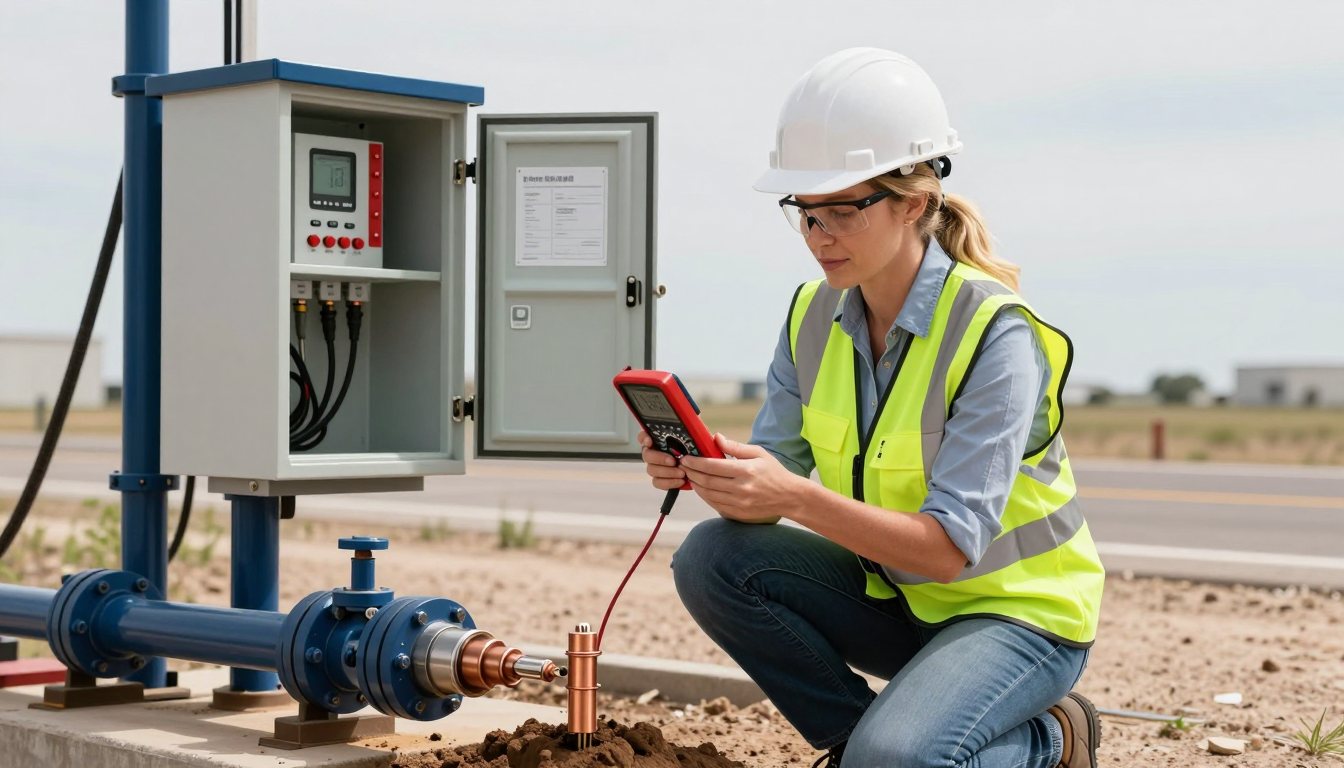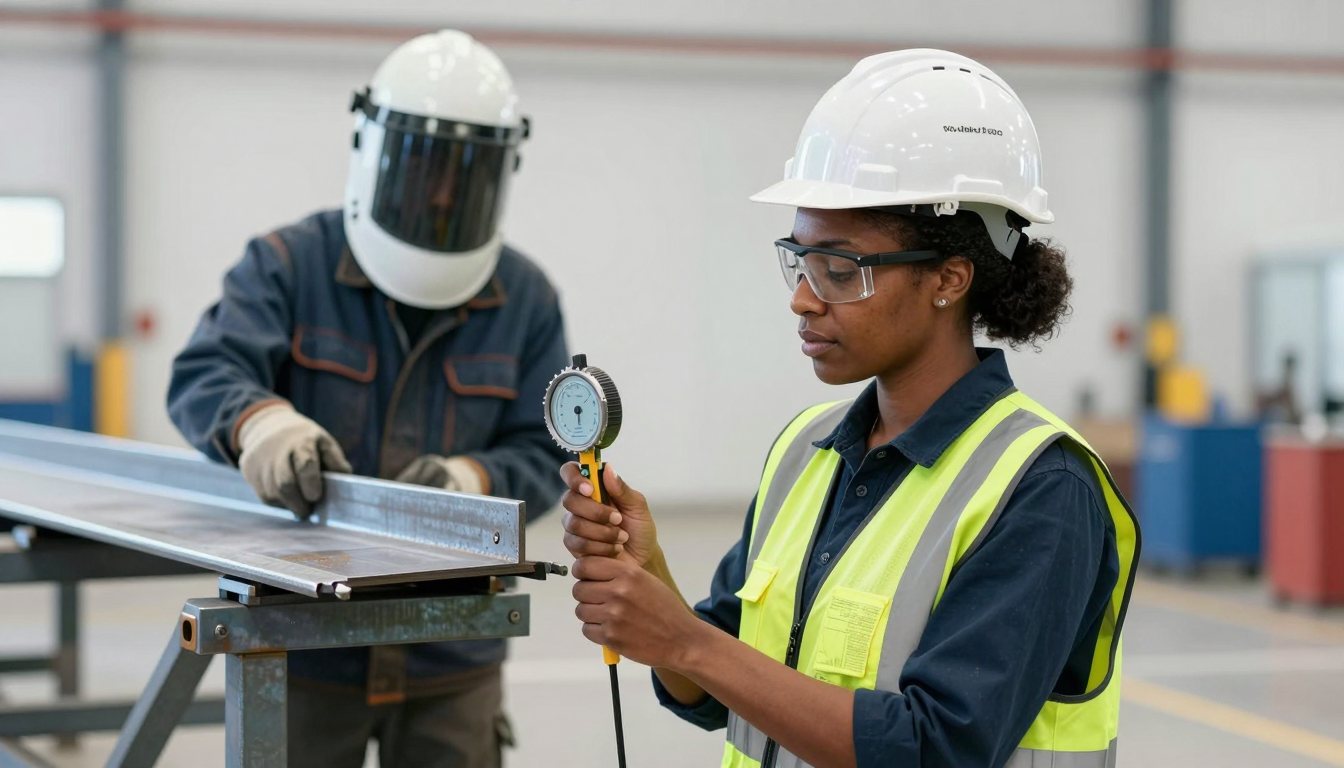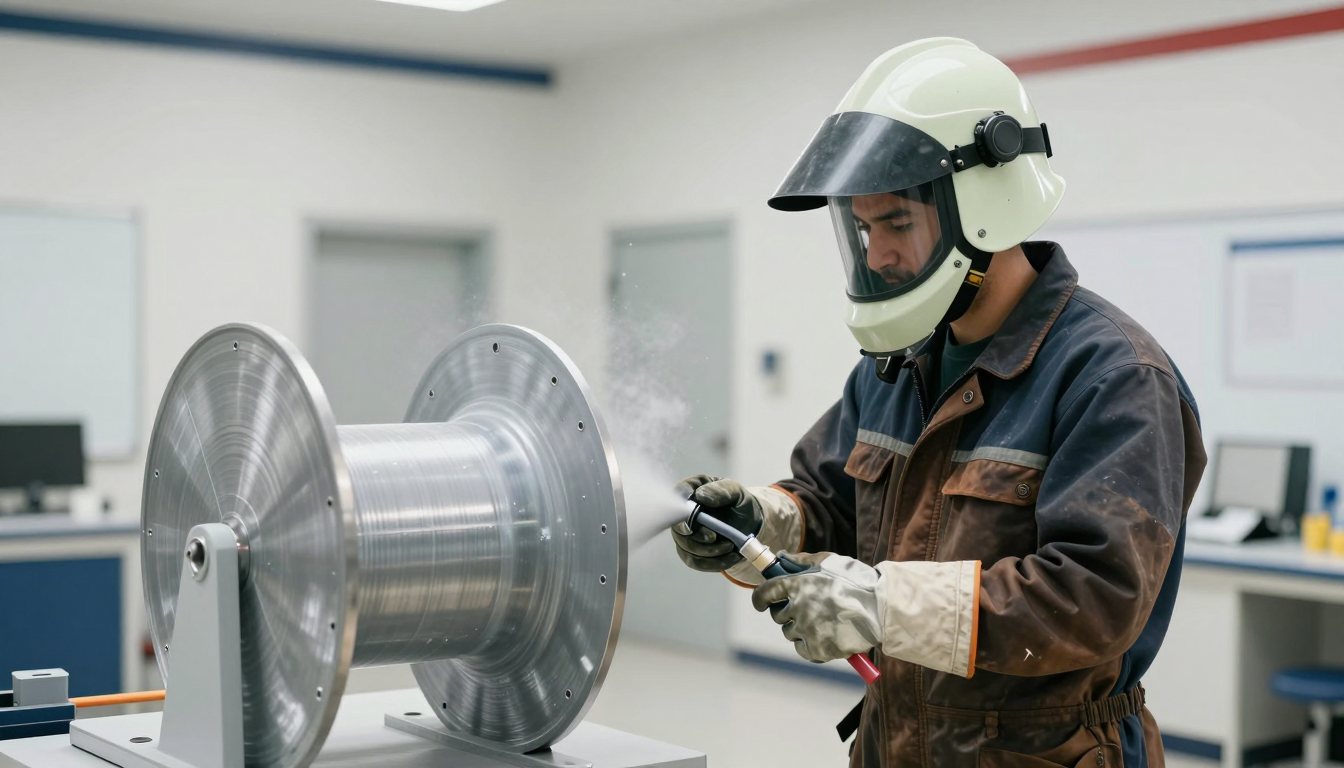

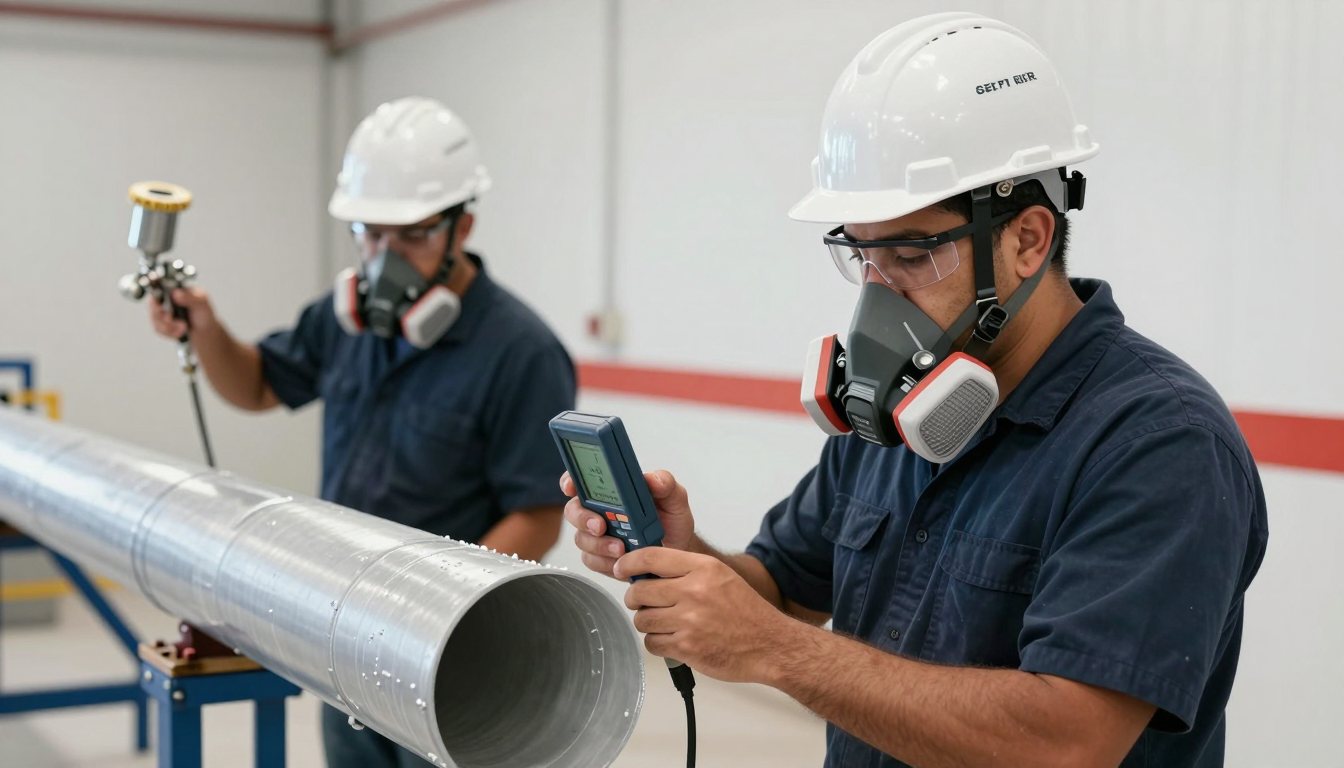
Supervisors of combined blasting and painting operations carry responsibility for the full sequence on which coating life depends: surface preparation, environmental control, application, and inspection. Designed for experienced blasters and painters at the supervisory level, this course strengthens command of surface preparation standards, coating materials, application methods, and quality control. Participants learn to interpret coating specifications, control surface contamination and weather conditions, verify dry film thickness and adhesion, and direct crews safely and productively. The course also addresses coating requirements for line pipe, reflecting common practice in the oil and gas sector.
Who Should Attend
- Blasting and painting supervisors and foremen
- Experienced blasters and painters preparing for supervisory roles
- Coating inspectors and QA/QC coordinators
- Corrosion and maintenance engineers managing coating contractors
Learning Outcomes
- Interpret project coating specifications and translate them into work instructions
- Supervise abrasive blast cleaning to specified ISO 8501-1 grades and profile
- Measure soluble salts, dust, and surface profile and apply acceptance limits
- Control application by brush, roller, conventional and airless spray
- Verify wet and dry film thickness and adhesion using recognized test methods
- Diagnose common coating defects and specify corrective actions
- Lead crews in compliance with safety, environmental, and reporting requirements
Course Outline
- Module 1 — Principles of Surface Preparation: cleanliness, profile, and adhesion mechanisms
- Module 2 — Blast-Cleaning Systems and Techniques: wet and dry systems, equipment set-up, and productivity
- Module 3 — Surface Contamination and Weather Conditions: salts, dust, dew point, and steel temperature
- Module 4 — Coating Materials and Systems: generic coating types, curing mechanisms, and multi-coat systems
- Module 5 — Application Methods: airless spray set-up, mixing, induction time, and pot life
- Module 6 — Line Pipe Coatings: internal and fusion-bonded epoxy coatings per API RP 5L2 and 5L9
- Module 7 — Quality Control and Inspection: DFT, adhesion, holiday detection, and defect diagnosis
- Module 8 — Supervision and Safety: crew management, hazardous materials, and documentation
Standards & References
ISO 8501-1 — visual assessment of surface cleanliness; BS 7079 Part A1; ISO 11124-1 — metallic blast-cleaning abrasives; API RP 5L2 — Internal Coating of Line Pipe for Non-corrosive Gas Transmission Service; API RP 5L9 — External Fusion-Bonded Epoxy Coating of Line Pipe. Supporting references include ISO 8502-3 (dust assessment), ASTM D4417 (surface profile), ASTM D4541 (pull-off adhesion), and SSPC-PA 2 (dry film thickness).
Assessment & Certification
Candidate competence is evaluated through a written examination and a practical assessment covering surface grading, coating application, and film thickness verification. Successful candidates receive an IIME Certificate of Training bearing a unique verification code that can be confirmed online. The program comprises 40 contact hours (5 days).
4 certificates issued for this program
- A AHMED K.Iraqi
- M MOHAMMED A.Iraqi
- W WISSAM J.Iraqi
- M MUNTHER S.Iraqi