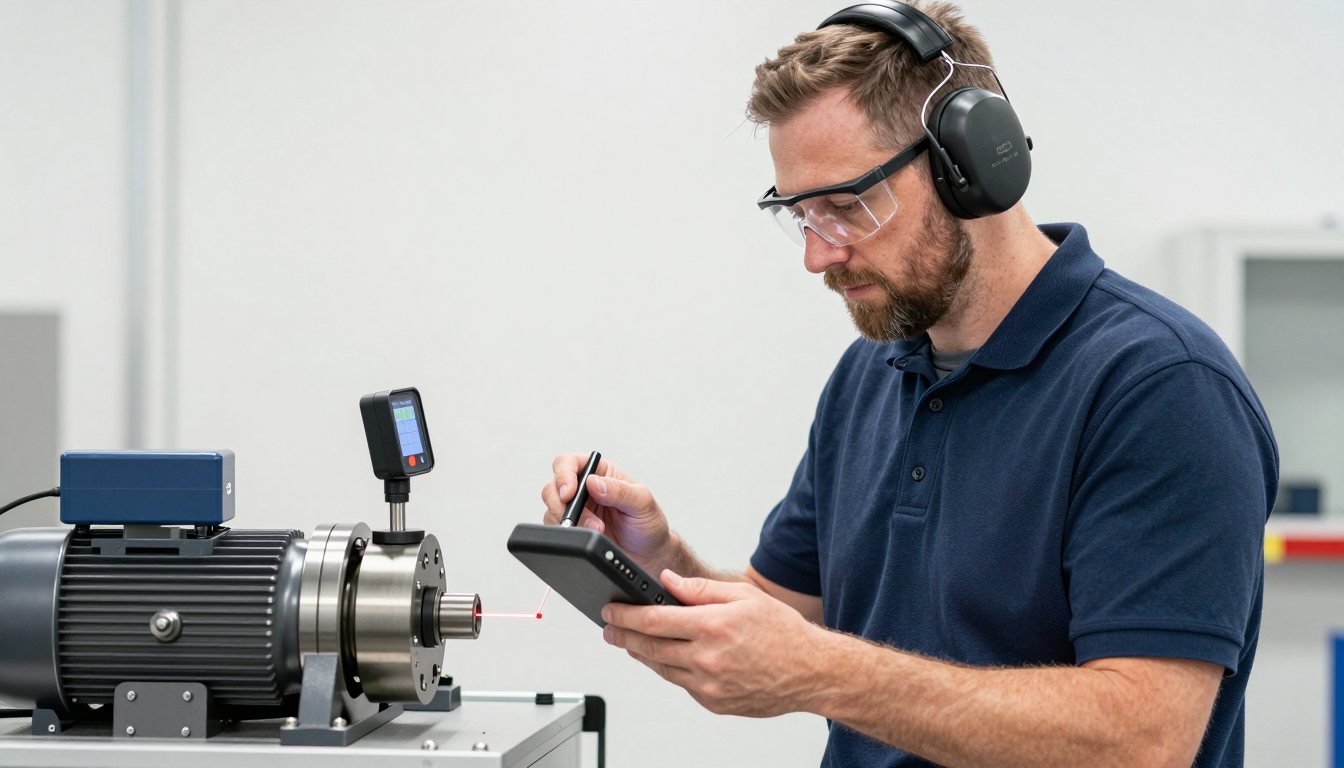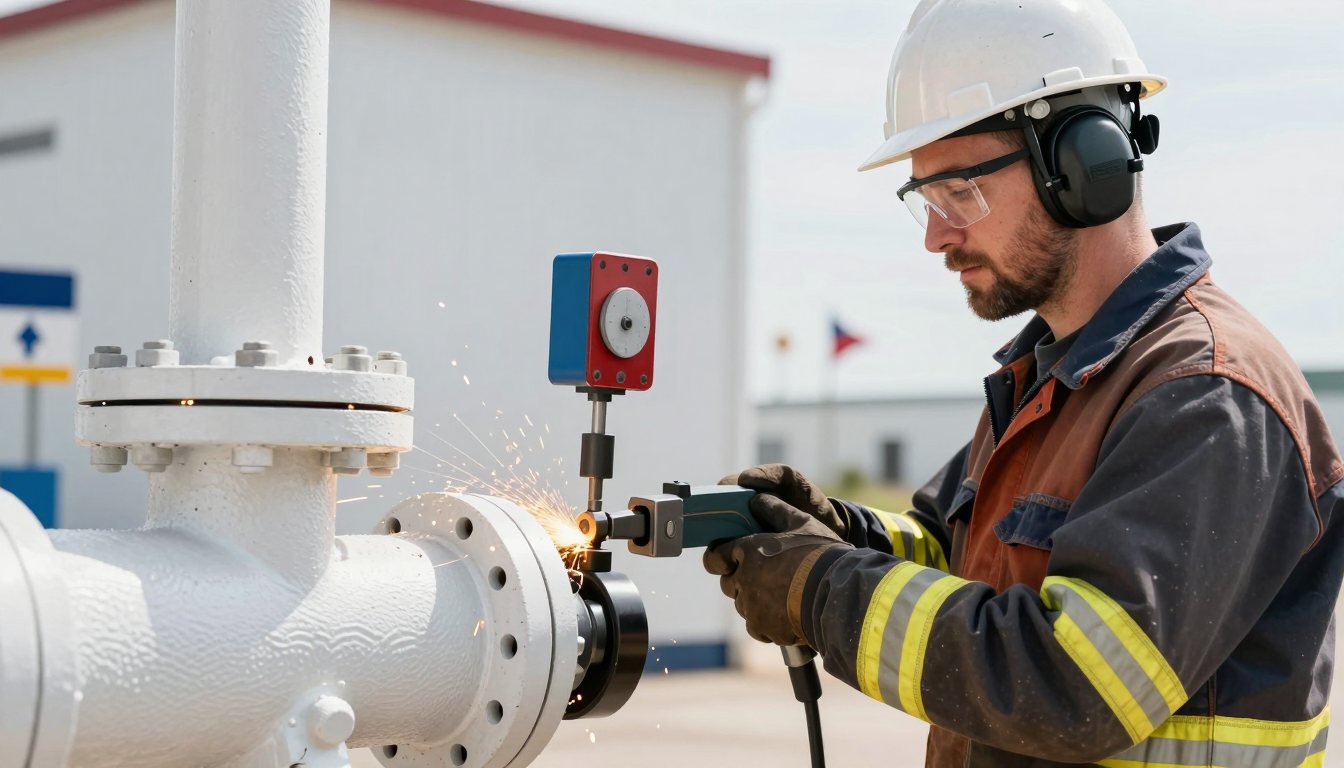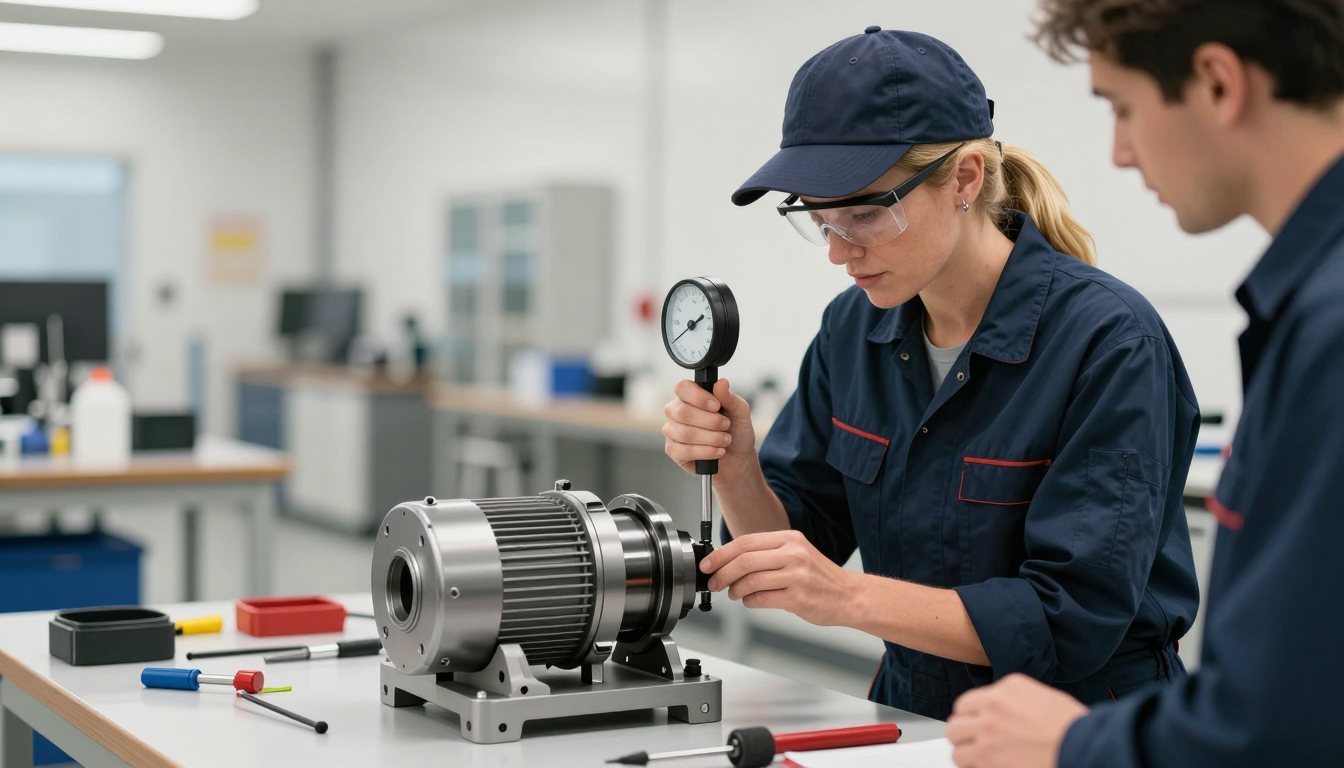

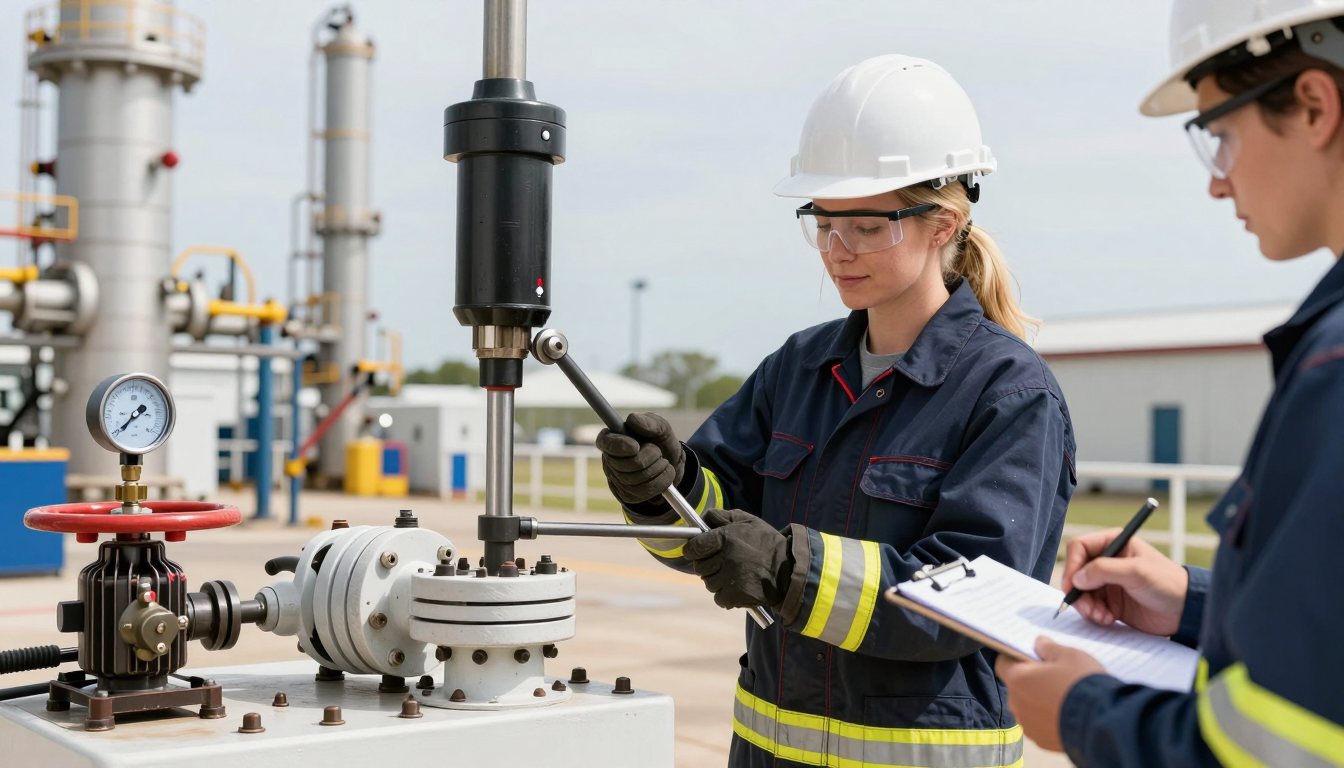
Leaking bolted flanged joints are a leading cause of process safety incidents, environmental releases, and lost production. This Level 2 course develops the knowledge and practical skill to assemble flanged joints that seal reliably, combining bolted-joint theory with supervised practice using manual torque wrenches and hydraulic torque tools. Participants study gasket behavior and selection, the relationship between applied torque and bolt load, tightening sequences, and the causes of joint failure. The course also introduces the elements of a flange integrity management system, including joint tagging, records, and verification.
Who Should Attend
- Mechanical technicians and fitters who assemble bolted flanged joints
- Bolting technicians using hydraulic torque equipment
- Turnaround and shutdown supervisors
- Mechanical integrity and QA/QC personnel
Learning Outcomes
- Explain how bolt preload generates gasket stress and maintains a seal
- Select gaskets and fasteners appropriate to service conditions and flange class
- Inspect flange faces, studs, and nuts before assembly and identify rejectable defects
- Apply ASME PCC-1 tightening patterns and target torque values
- Operate hydraulic torque tools safely and calculate pump pressure for a target torque
- Diagnose causes of joint leakage and recommend corrective measures
- Complete joint records within a flange integrity management system
Course Outline
- Module 1 — Introduction to the Bolted Joint: joint components, preload, and load paths
- Module 2 — Gasket Behavior, Selection, and Specification: gasket types, seating stress, and relaxation
- Module 3 — Flanges and Fasteners: ASME B16 flange standards, bolting materials, and lubrication
- Module 4 — Tightening the Joint: Achieving Clamping Force: torque, friction, and the torque–tension relationship
- Module 5 — Manual Bolt-Up Methods: calibrated torque wrenches, tightening sequences, and pass procedures
- Module 6 — Hydraulic Torque Tools: set-up, reaction points, pump calibration, and safe operation
- Module 7 — Understanding and Preventing Joint Failure: leakage mechanisms, root causes, and inspection
- Module 8 — Flange Integrity Management: joint tagging, records, and verification
Standards & References
ASME B16 series (including B16.5, B16.47, and B16.20); ASME PCC-1 — Guidelines for Pressure Boundary Bolted Flange Joint Assembly; BS EN 1591 — Flanges and their joints: design rules for gasketed circular flange connections; BS 10:2009 — Specification for flanges and bolting for pipes, valves and fittings. Course content is aligned with the bolted joint assembler knowledge areas described in ASME PCC-1, Appendix A.
Assessment & Certification
Candidate competence is evaluated through a written examination and a practical assessment in which candidates assemble and tighten a flanged joint using manual and hydraulic methods. Successful candidates receive an IIME Certificate of Training bearing a unique verification code that can be confirmed online. The program comprises 24 contact hours (3 days).
60 certificates issued for this program
- H HASAN A.Iraqi
- M MUSHTAQ T.Iraqi
- A ALI J.Iraqi
- Z ZAIN A.Iraqi
- K KARRA H.Iraqi
- A ALI H.Iraqi
- A ALI I.Iraqi
- S SAFAA O.Iraqi