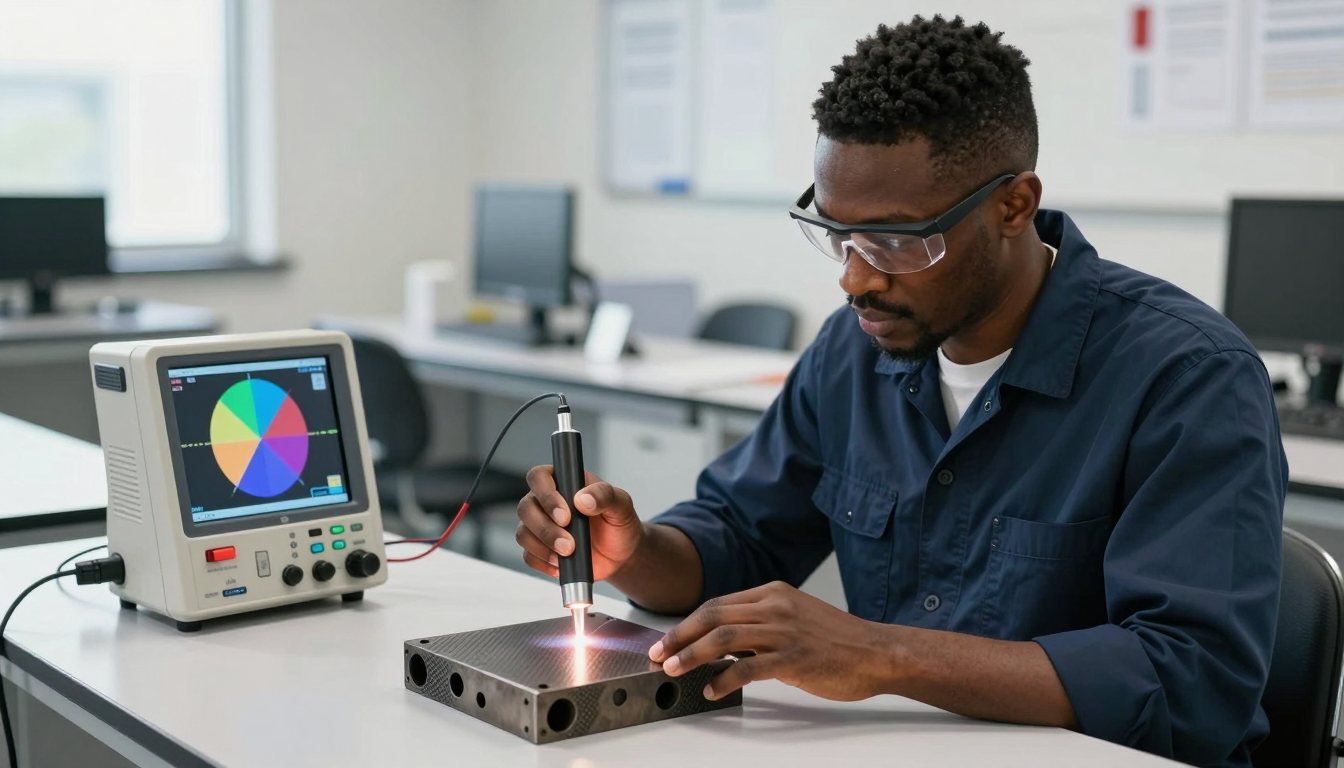

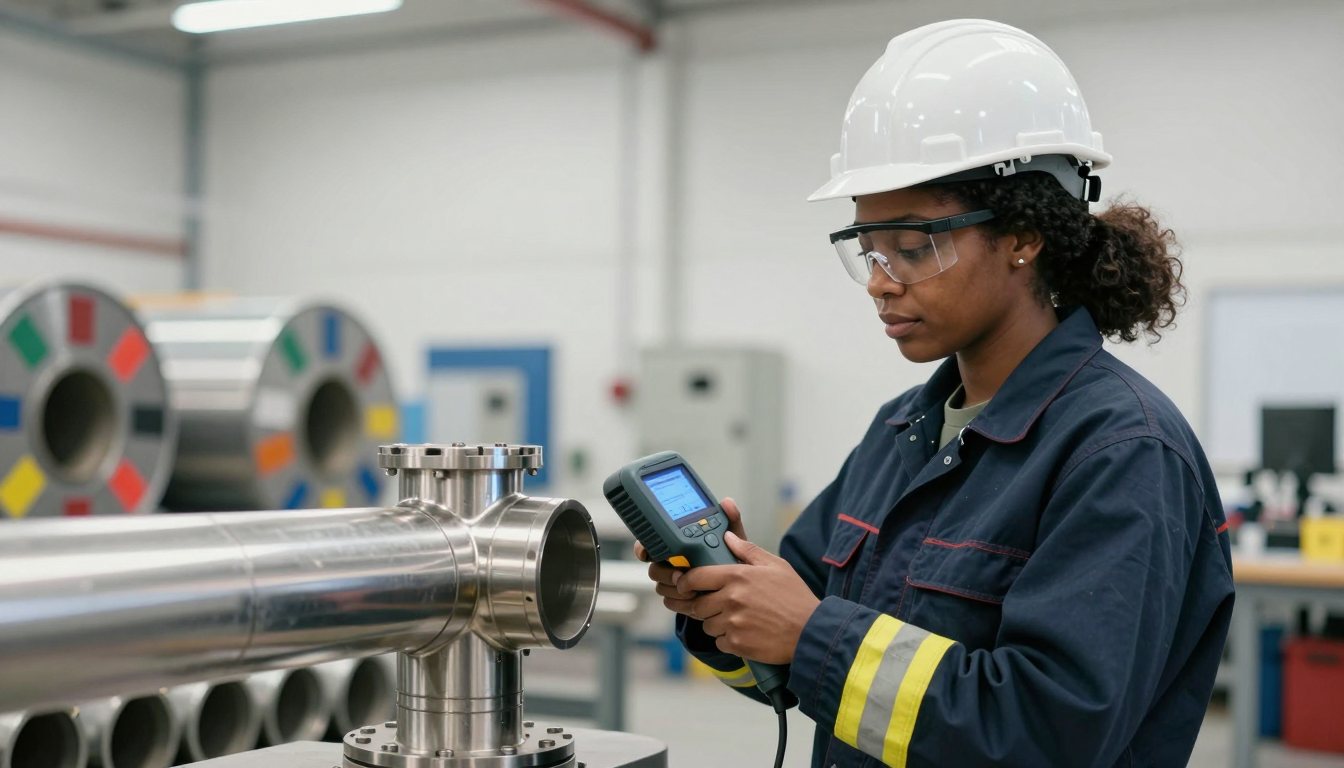
Material mix-ups in alloy piping and pressure equipment can lead to rapid corrosion, cracking, and catastrophic failure, particularly in high-temperature, sour, or corrosive service. Positive material identification provides the means to verify alloy composition at receipt, during fabrication, and in existing plants. This Level II course develops the knowledge and practical skill to plan and perform PMI using portable X-ray fluorescence and optical emission spectrometry, interpret results against material specifications, and recognize the limitations of each technique. Radiation safety, sample preparation, and correct analyzer use are emphasized throughout.
Who Should Attend
- NDT and PMI technicians
- QA/QC inspectors in fabrication and construction
- Materials, corrosion, and mechanical integrity engineers
- Receiving inspectors and warehouse quality personnel
Learning Outcomes
- Identify the factors to be considered when planning a PMI program
- Select the appropriate PMI technique for the material and elements of interest
- Explain the principles of XRF and spark OES analysis
- Apply radiation safety practices when operating XRF analyzers
- Prepare surfaces and perform analyses that yield valid, repeatable results
- Compare results with material specifications and identify nonconforming components
- Recognize and avoid common errors in analyzer use and reporting
Course Outline
- Module 1 — Introduction to PMI: purpose, applications, and material verification programs
- Module 2 — Factors to Consider When Using PMI: scope, sampling extent, and acceptance criteria
- Module 3 — Selecting the PMI Technique: XRF versus OES, element range, and carbon determination
- Module 4 — XRF Principles, Radiation, and Radiation Safety: physics, dose, shielding, and regulatory control
- Module 5 — Optical Emission Spectrometry: spark OES principles and standard test methods
- Module 6 — Performing the Analysis: surface preparation, calibration checks, and grade identification
- Module 7 — Errors, Interpretation, and Reporting: incorrect analyzer use, data review, and marking
Standards & References
ASTM E415 — Analysis of carbon and low-alloy steel by spark atomic emission spectrometry; ASTM E1086 — Analysis of austenitic stainless steel by spark atomic emission spectrometry; ASTM E353 — Chemical analysis of stainless, heat-resisting, maraging, and other similar chromium-nickel-iron alloys. API RP 578 — Guidelines for a Material Verification Program (MVP) for New and Existing Assets is referenced for program requirements.
Assessment & Certification
Candidate competence is evaluated through a written examination and a practical assessment in which candidates identify alloy samples using portable analyzers. Successful candidates receive an IIME Certificate of Training bearing a unique verification code that can be confirmed online. The program comprises 24 contact hours (3 days).
1 certificates issued for this program
- M Mr. T.Iraqi