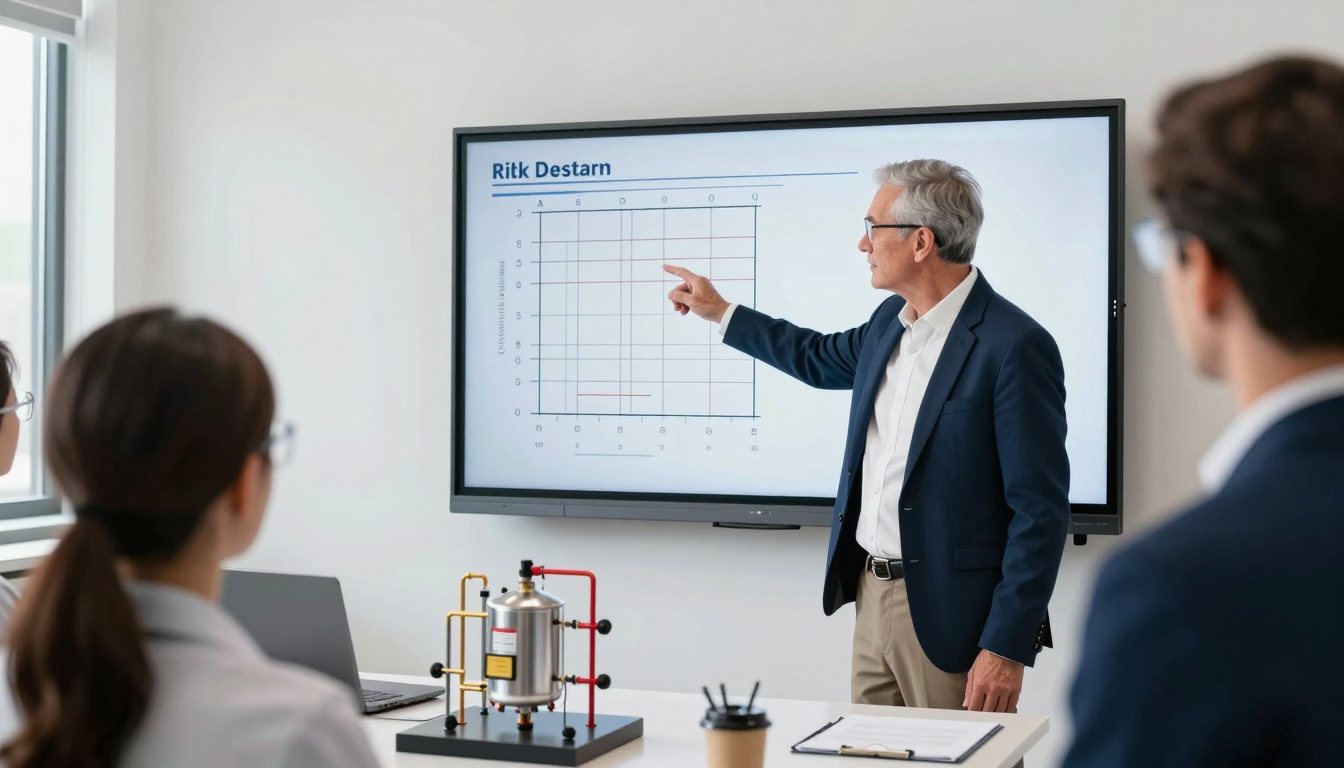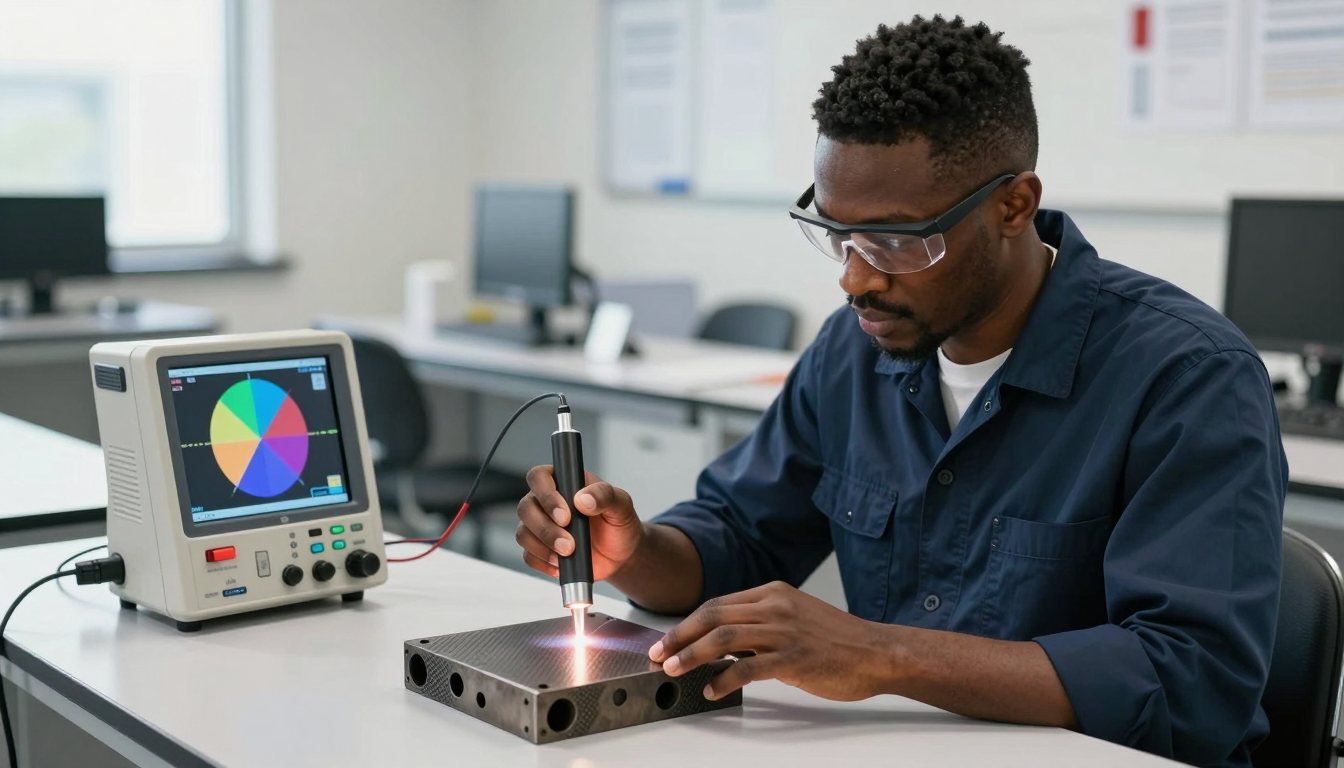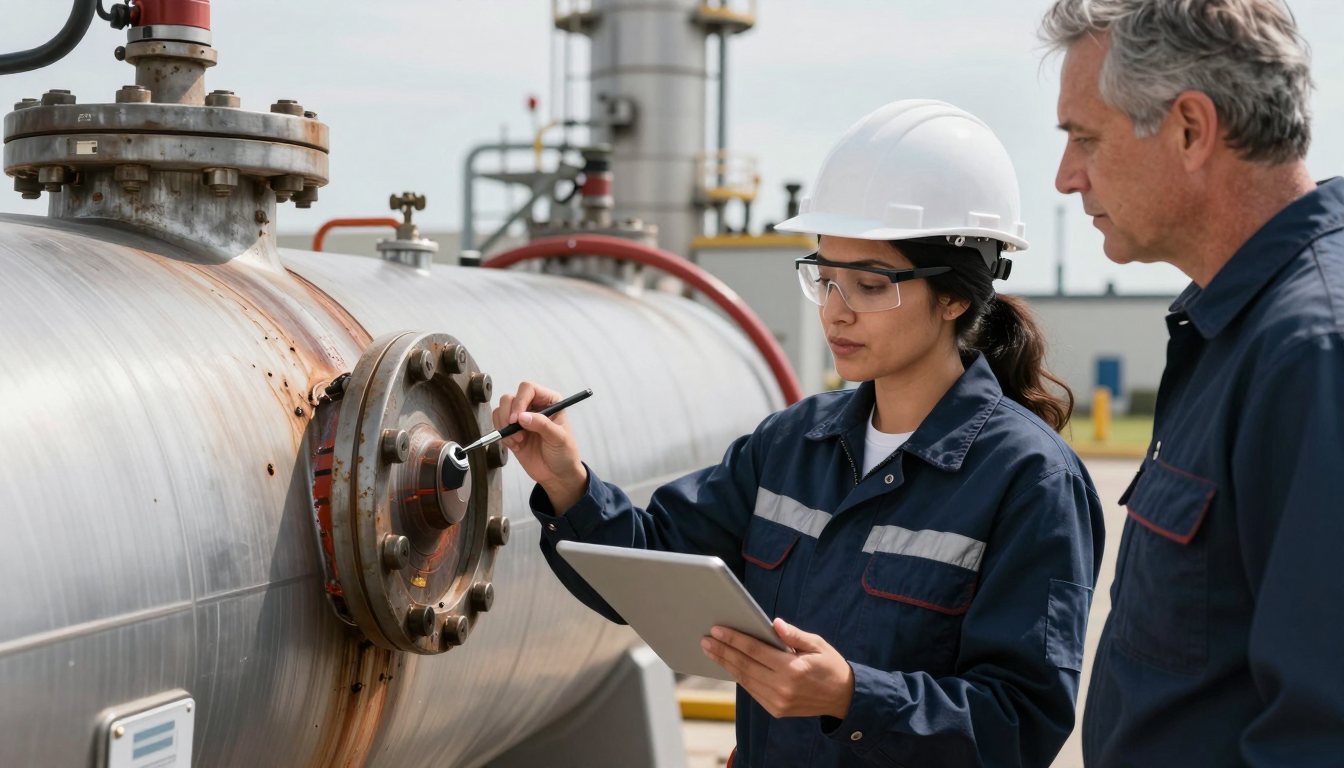

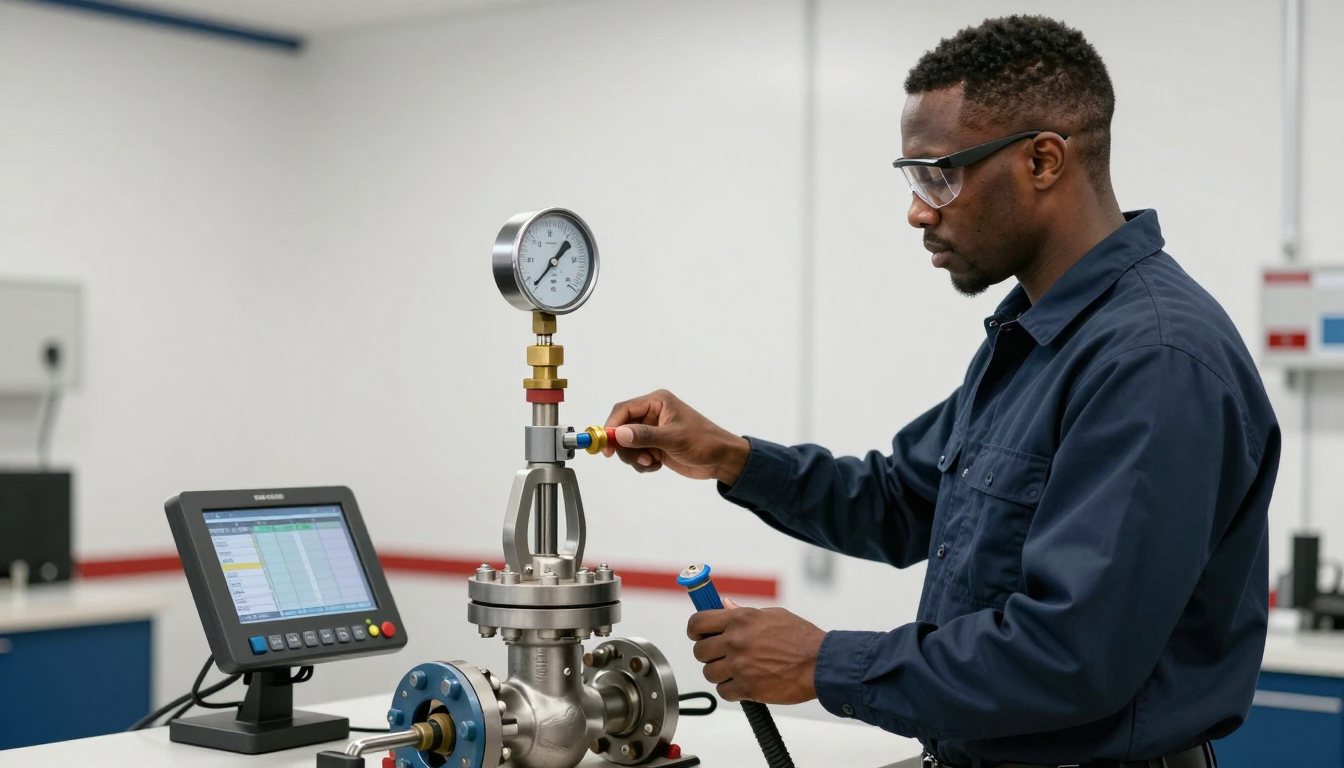
Valves are the primary means of controlling and isolating process fluids, and a valve that leaks through its seat or body can compromise both safety and production. This three-day course develops the knowledge required to inspect and pressure test industrial valves to recognized standards. Participants review valve types, components, materials and pressure–temperature ratings, then examine inspection requirements at receipt, after repair and in service. Practical sessions cover shell, closure and backseat tests, allowable leakage rates, test equipment and the documentation that provides traceable evidence of acceptance. Examples address gate, globe, check, ball and butterfly valves in carbon steel, alloy and stainless constructions, reflecting the valves most commonly encountered in refinery, chemical and utility service.
Who Should Attend
- Mechanical and QA/QC inspectors
- Valve technicians and valve shop personnel
- Maintenance supervisors and turnaround planners
- Procurement and receiving inspection staff
- Third-party inspectors acting on behalf of owners
Learning Outcomes
- Identify the principal valve types and explain their functions and limitations
- Describe valve components, trim and materials of construction
- Determine pressure–temperature ratings and class designations
- Verify valve markings, nameplates and material certificates against purchase requirements
- Plan and perform shell, seat and backseat pressure tests
- Evaluate leakage against acceptance criteria
- Recognize common valve failure modes and prepare test records
Course Outline
- Module 1 — Introduction to Industrial Valves: gate, globe, check, ball, butterfly and plug valves.
- Module 2 — Applicable Codes and Standards: scope of API 598 and ASME B16.34.
- Module 3 — Valve Components and Materials: bodies, bonnets, trim, packing and gaskets.
- Module 4 — Pressure–Temperature Ratings: pressure classes and material groups.
- Module 5 — Inspection Requirements: visual, dimensional, marking and documentation checks.
- Module 6 — Pressure Testing: shell, high- and low-pressure closure and backseat tests, durations and allowable leakage.
- Module 7 — Failure Modes and Reporting: seat damage, stem leakage, body defects and test records.
Standards & References
Course content draws on API Standard 598 (Valve Inspection and Testing) and ASME B16.34 (Valves — Flanged, Threaded and Welding End). Participants are introduced to the scope and application of each document; the current edition should always be consulted for project work.
Assessment & Certification
The program comprises 24 contact hours (3 days) of instruction. Assessment consists of a written examination and a practical assessment in which candidates perform and record pressure tests on sample valves. Successful candidates receive an IIME Certificate of Training bearing a unique verification code, which can be verified online.
1 certificates issued for this program
- A Asaad H.Iraqi