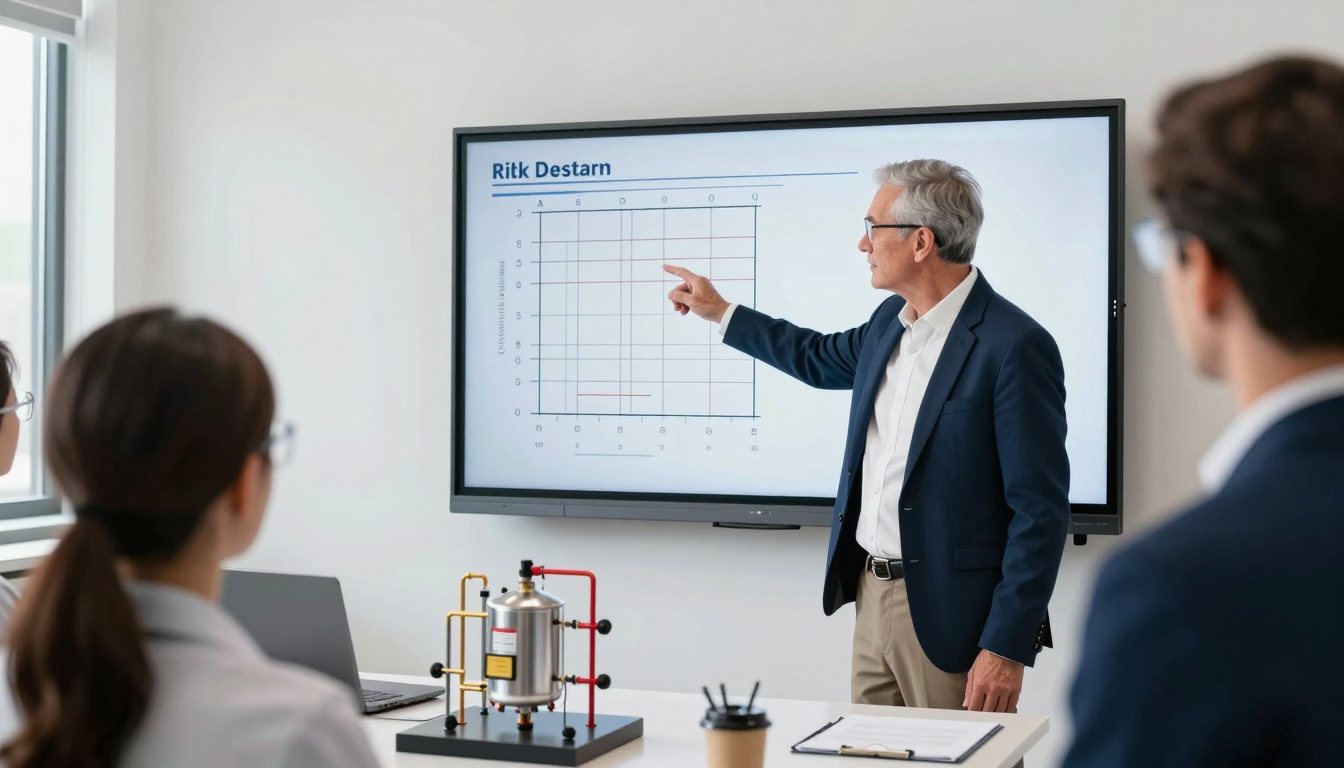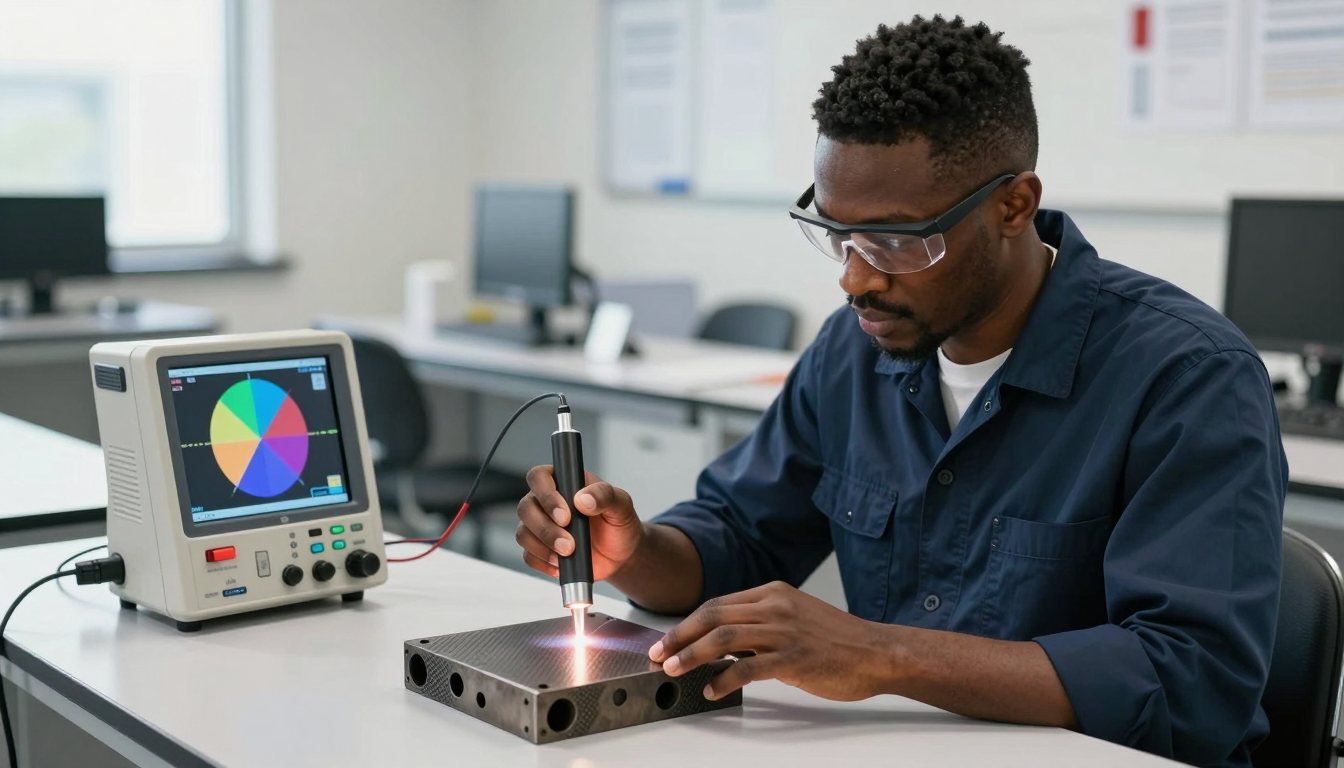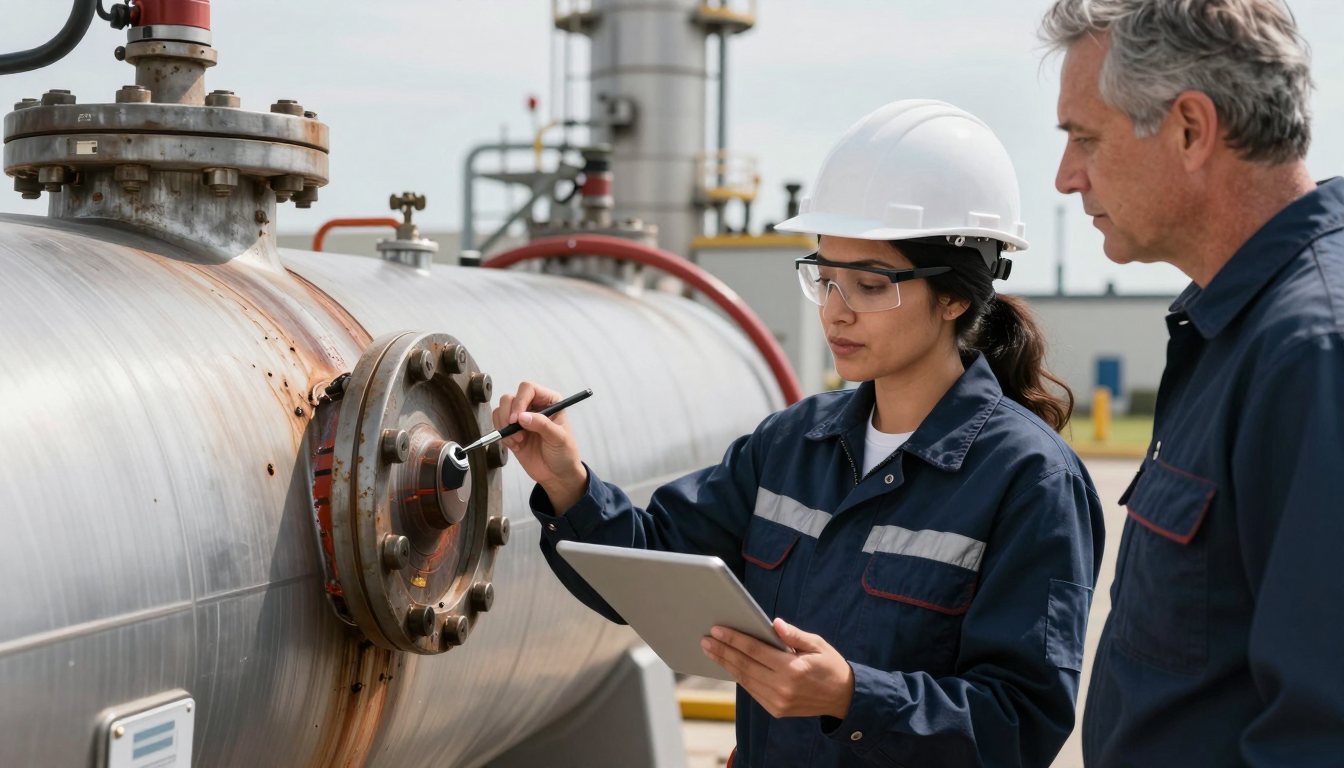


Hydrostatic testing is the principal method of demonstrating the strength and leak-tightness of newly constructed or repaired pressure systems, and it introduces significant stored energy that must be managed with care. This Level II course prepares participants to establish test requirements from the governing code, develop test procedures, select instrumentation, and supervise tests through pressurization, hold, and depressurization. Particular attention is given to test water sourcing, treatment, and disposal, to the interpretation of pressure and temperature data, and to leak detection techniques. Participants complete the course able to lead tests and to produce defensible records.
Who Should Attend
- Pressure test technicians and test supervisors
- QA/QC inspectors and mechanical completion engineers
- Piping and construction supervisors responsible for test packages
- Asset integrity personnel overseeing repair and alteration testing
Learning Outcomes
- Determine test pressure, hold time, and acceptance criteria from ASME B31.3 and related requirements
- Prepare a hydrostatic test procedure and test package, including isolation and venting
- Select, calibrate, and position gauges, recorders, and temperature instruments
- Plan test water sourcing, treatment, and environmentally compliant disposal
- Apply ASTM E1003 leak detection techniques during the hold period
- Evaluate the effect of temperature on test pressure and recognize invalid results
- Complete test certificates and records suitable for regulatory and client review
Course Outline
- Module 1 — Hydrostatic Pressure Testing Theory: purpose, stored energy, and strength versus leak tests
- Module 2 — Establishing Test Requirements and Techniques: code requirements, test boundaries, and test media
- Module 3 — Test Planning and Safety: exclusion zones, isolation, venting, and pressurization rates
- Module 4 — Water Source Identification and Disposal: water quality, additives, freezing, and discharge permitting
- Module 5 — Instrumentation and Leak Detection: gauges, recorders, calibration, and ASTM E1003 methods
- Module 6 — Data Interpretation and Acceptance: pressure–temperature correction and acceptance decisions
- Module 7 — Documentation: test packs, certificates, and reinstatement records
Standards & References
ASTM E1003 — Standard Practice for Hydrostatic Leak Testing; ISO 10802:2020 — Ductile iron pipelines: hydrostatic testing after installation; ASME B31.3 — Process Piping; API 1104 — Welding of Pipelines and Related Facilities (weld quality prerequisites for testing).
Assessment & Certification
Candidate competence is evaluated through a written examination and a practical assessment in which candidates plan, conduct, and record a hydrostatic test on a training rig. Successful candidates receive an IIME Certificate of Training bearing a unique verification code that can be confirmed online. The program comprises 24 contact hours (3 days).
27 certificates issued for this program
- Y YASER M.Iraqi
- A AMMAR M.Iraqi
- A ALI A.Iraqi
- A AHMAD A.Syrian
- M Muhamad A.Iraqi
- S Sagvan M.Iraqi
- S SAEED A.Iraqi
- Y YASER M.Syrian