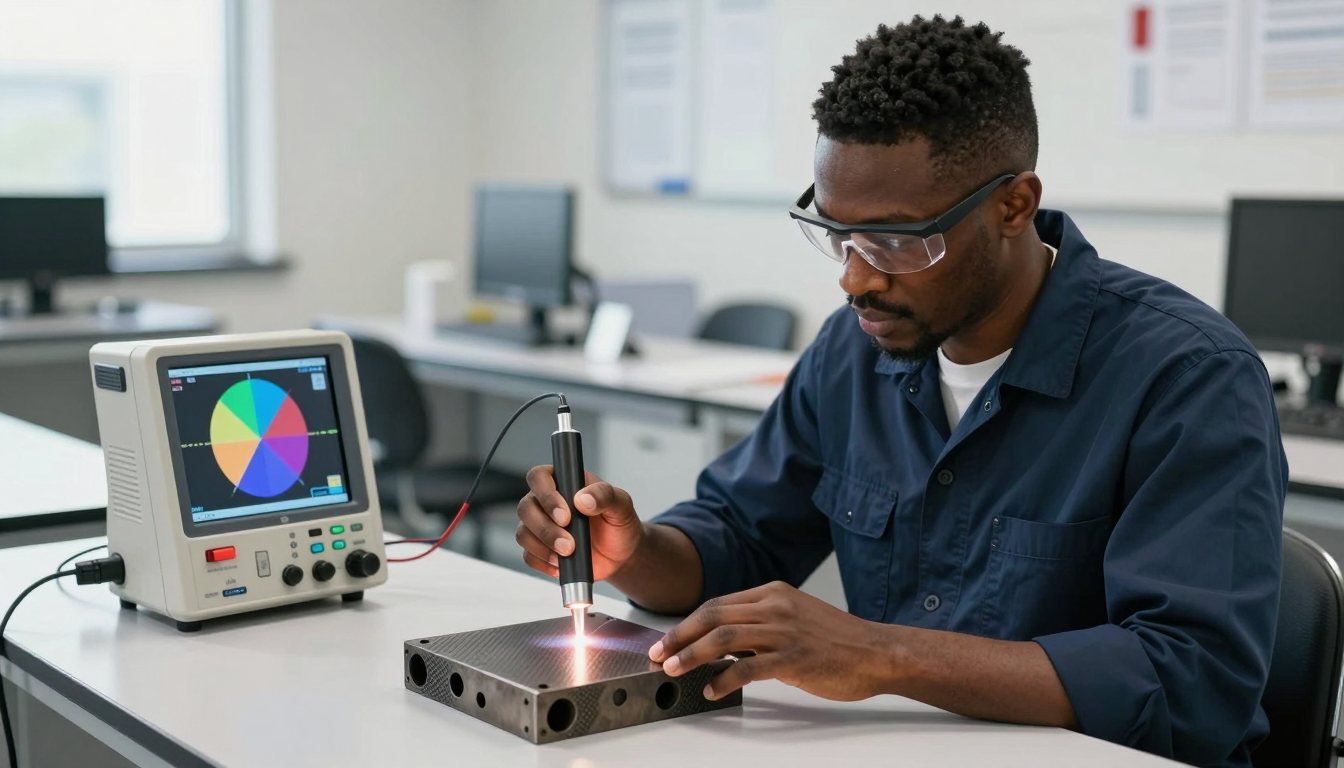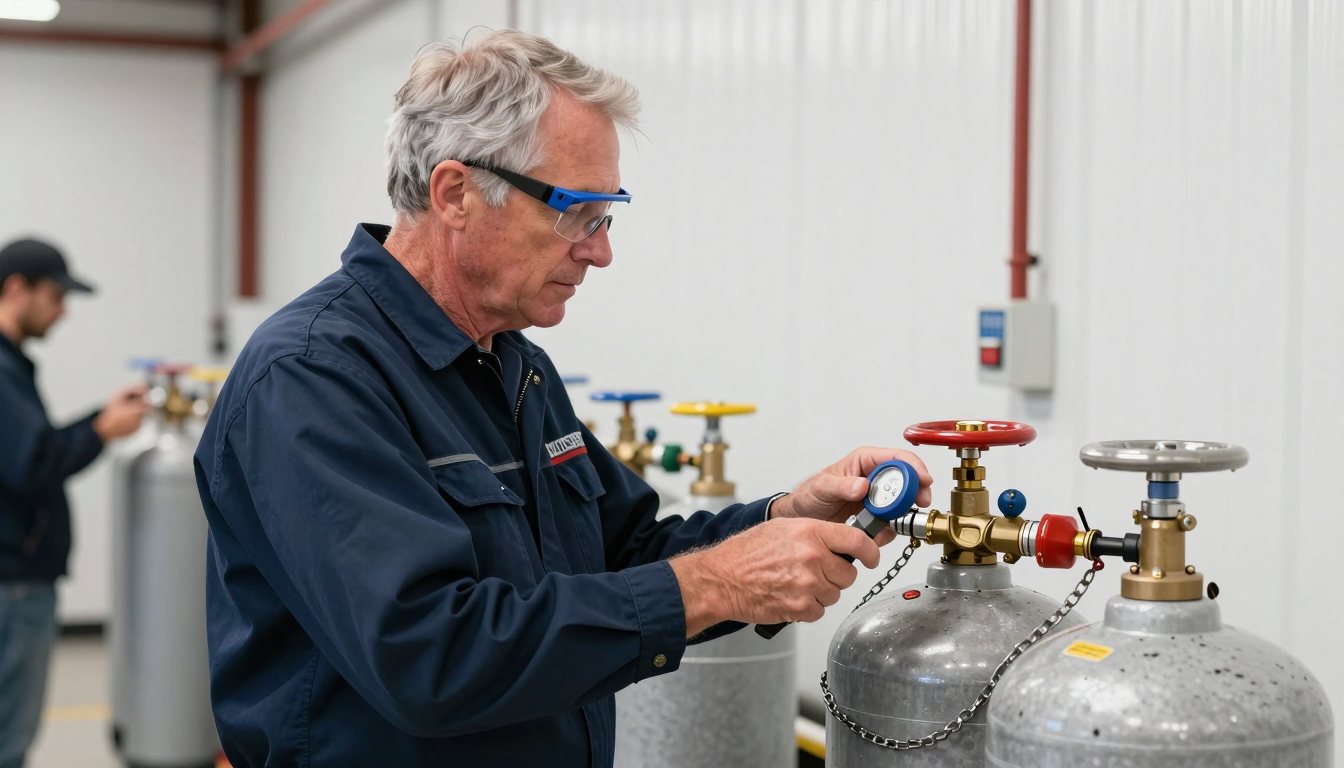


Fitness-for-service assessment provides an engineering basis for deciding whether equipment containing flaws or damage can continue to operate safely, must be repaired, or should be rerated or replaced. This five-day course explains the methods of API 579-1/ASME FFS-1 used to assess equipment integrity and service life. Participants learn the structure of the standard, the three assessment levels, and the data required from inspection, then apply Level 1 and Level 2 procedures to general and local metal loss, pitting, and other common damage types. Emphasis is placed on the inspector's role in collecting reliable data and communicating results.
Who Should Attend
- Pressure vessel, piping and tank inspectors
- Mechanical integrity and inspection engineers
- Corrosion and materials engineers
- Engineers responsible for run, repair or replace decisions
Learning Outcomes
- Describe the purpose, scope and organization of API 579-1/ASME FFS-1
- Distinguish Level 1, Level 2 and Level 3 assessments and their data requirements
- Identify damage mechanisms and select the applicable assessment part
- Perform Level 1 and Level 2 assessments for general and local metal loss and pitting
- Calculate remaining life and establish reinspection intervals
- Document assessment results and recommend remediation where required
Course Outline
- Module 1 — Introduction to Fitness-for-Service: FFS concepts and its role in mechanical integrity.
- Module 2 — Codes and Standards: API 579-1/ASME FFS-1 structure and links to API 510, API 570 and API 653.
- Module 3 — Assessment Levels: Level 1, 2 and 3 methodology and data requirements.
- Module 4 — Damage Mechanisms: identification and selection of assessment procedures.
- Module 5 — Metal Loss Assessment: general and local metal loss, thickness profiles and critical thickness.
- Module 6 — Pitting, Blisters, Cracks and Deformation: assessment principles for other damage types.
- Module 7 — Remaining Life and Remediation: corrosion rates, reinspection intervals, rerating and repair.
Standards & References
Course content draws on API 579-1/ASME FFS-1 (Fitness-For-Service), with reference to the in-service inspection codes API 510, API 570 and API 653. Participants are introduced to the scope and application of each document; the current edition should always be consulted for project work.
Assessment & Certification
The program comprises 40 contact hours (5 days) of instruction. Assessment consists of a written examination including calculation problems and a practical exercise in which candidates complete a Level 1 and Level 2 metal loss assessment. This is an independent IIME training program and does not confer an API individual certification. Successful candidates receive an IIME Certificate of Training bearing a unique verification code, which can be verified online.
4 certificates issued for this program
- S Said A.Iraqi
- S Sultan S.Syrian
- F Firas K.Iraqi
- A Assad H.Iraqi