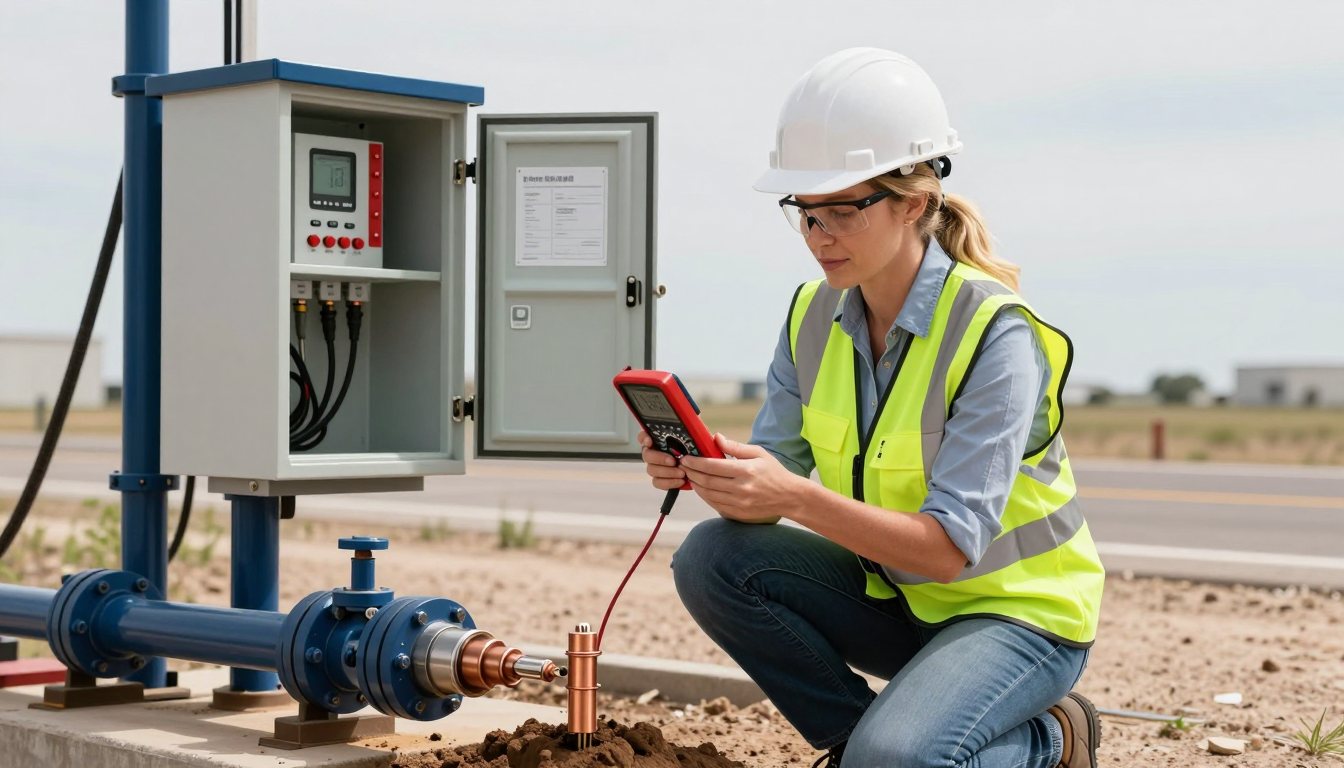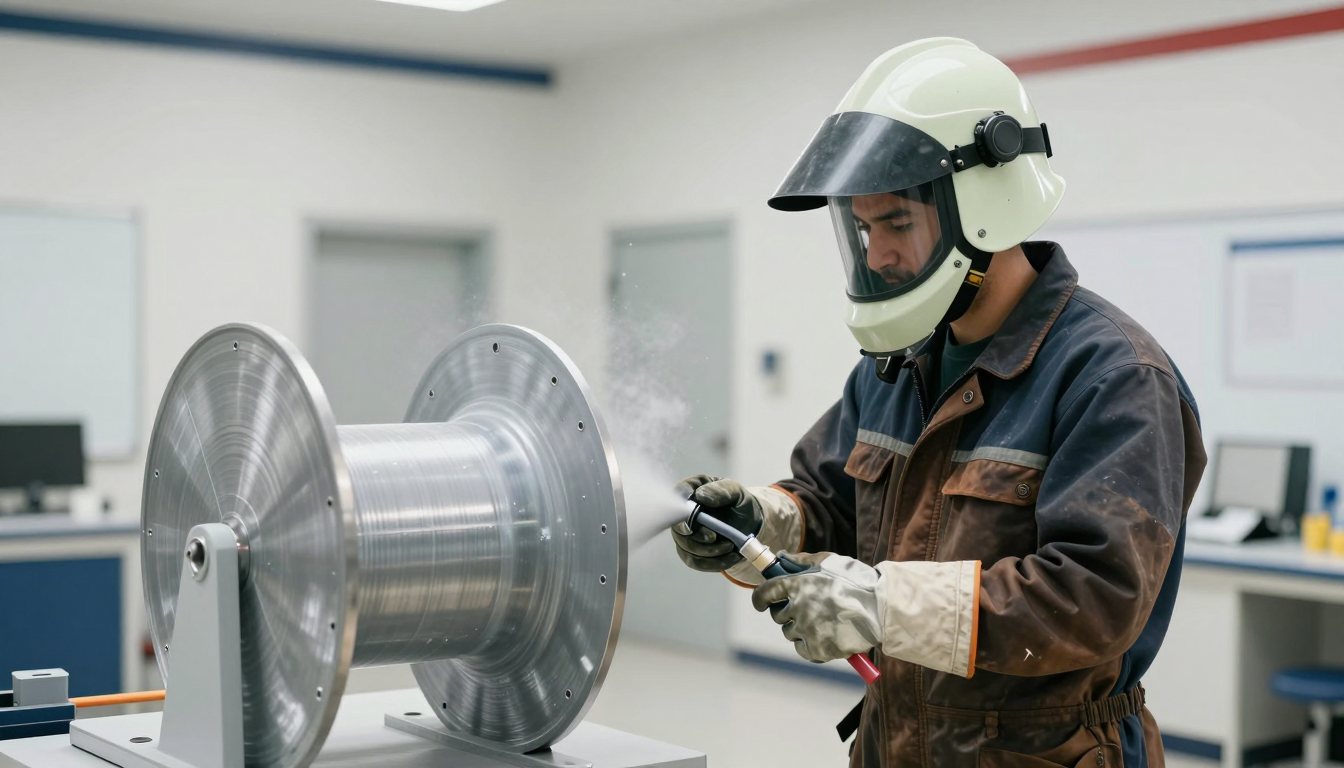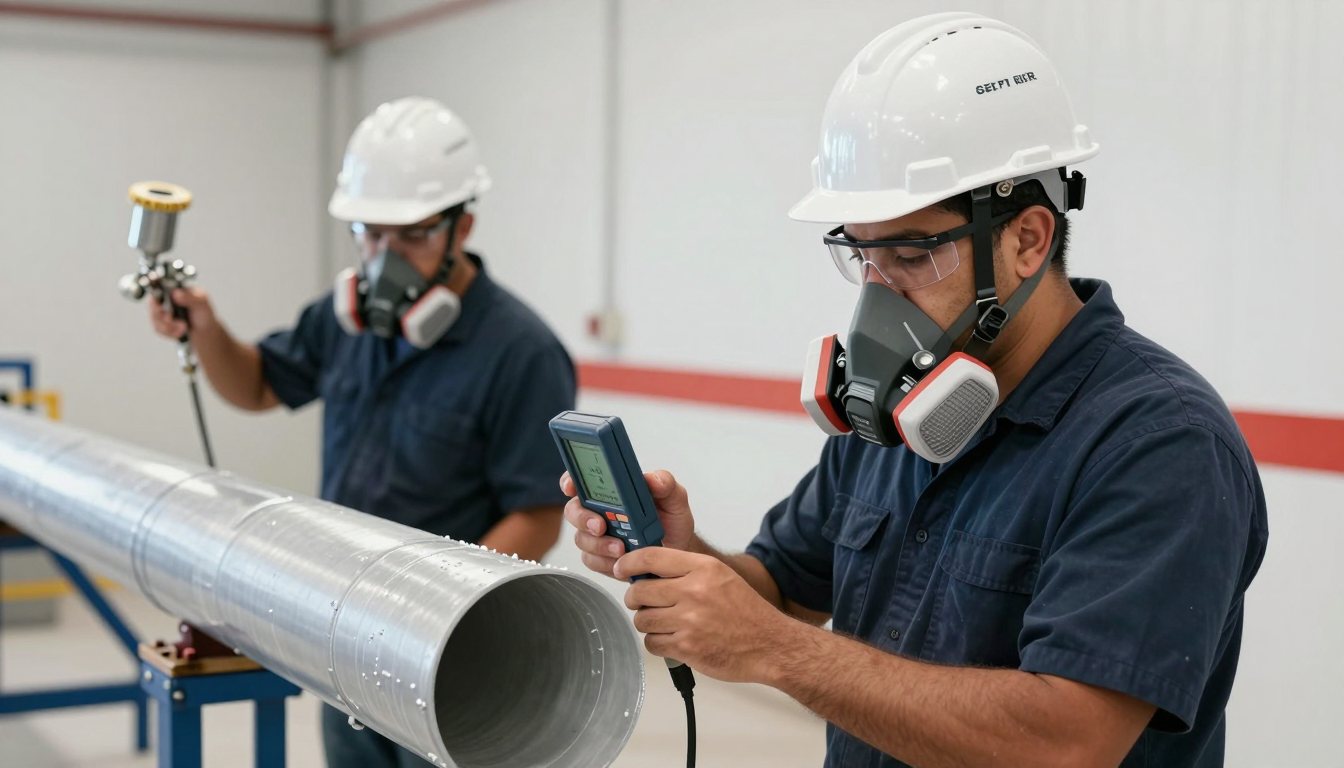


Coating failures are most often traced to inadequate surface preparation rather than to the coating itself. This course equips supervisors and team leaders with the technical knowledge to plan and control abrasive blast-cleaning operations, from equipment configuration and abrasive selection through environmental monitoring and final acceptance. Participants learn to interpret project specifications, assess surface cleanliness against ISO 8501-1 visual standards, and lead blast crews in a manner that is productive, compliant, and safe. The supervisory perspective emphasizes inspection hold points, crew competence, and accurate record keeping.
Who Should Attend
- Blasting and painting supervisors, foremen, and charge hands
- Experienced blast operators preparing for supervisory responsibility
- Coating inspectors and QA/QC personnel overseeing surface preparation contractors
- Maintenance planners responsible for corrosion protection programs
Learning Outcomes
- Interpret coating specifications to define required surface cleanliness and profile
- Configure nozzle, dry, and wet abrasive blast-cleaning systems for efficient production
- Select metallic and non-metallic abrasives in accordance with ISO 11124 classifications
- Assess prepared surfaces against ISO 8501-1 rust grades and preparation grades
- Monitor ambient conditions, including dew point and steel temperature, and determine whether work may proceed
- Implement hazard controls for compressed-air equipment, dust, noise, and confined spaces
- Maintain daily surface preparation records that support coating warranty and audit requirements
Course Outline
- Module 1 — Principles of Surface Preparation: corrosion mechanisms, coating adhesion, and the purpose of cleanliness and anchor profile
- Module 2 — Abrasive Blast-Cleaning Systems: pressure-pot and nozzle systems, air supply, moisture separation, and hose configuration
- Module 3 — Wet and Dry Blasting Methods: selection criteria, slurry and vapor blasting, and flash-rust control
- Module 4 — Abrasive Media: metallic and non-metallic abrasives, particle size, recycling, and ISO 11124-1 classification
- Module 5 — Surface Contamination and Weather Conditions: soluble salts, dust, oil, relative humidity, and dew point
- Module 6 — Standards and Acceptance: visual assessment with ISO 8501-1 and BS 7079-A1 reference photographs
- Module 7 — Supervision, Safety, and Documentation: crew deployment, PPE, respiratory protection, and daily reporting
Standards & References
BS EN ISO 8501-1:2007 — Preparation of steel substrates before application of paints and related products: visual assessment of surface cleanliness; BS 7079 Part A1 — the British adoption of the ISO 8501-1 rust and preparation grades; ISO 11124-1:2018 — Specifications for metallic blast-cleaning abrasives, general introduction and classification. Supporting references include the ISO 8502 and ISO 8503 series and OSHA 29 CFR 1910.94 (ventilation for abrasive blasting).
Assessment & Certification
Candidate competence is evaluated through a written examination and a practical assessment covering equipment set-up, environmental readings, and grading of prepared surfaces. Successful candidates receive an IIME Certificate of Training bearing a unique verification code that can be confirmed online. The program comprises 40 contact hours (5 days).
1 certificates issued for this program
- M MUNTHER S.Iraqi