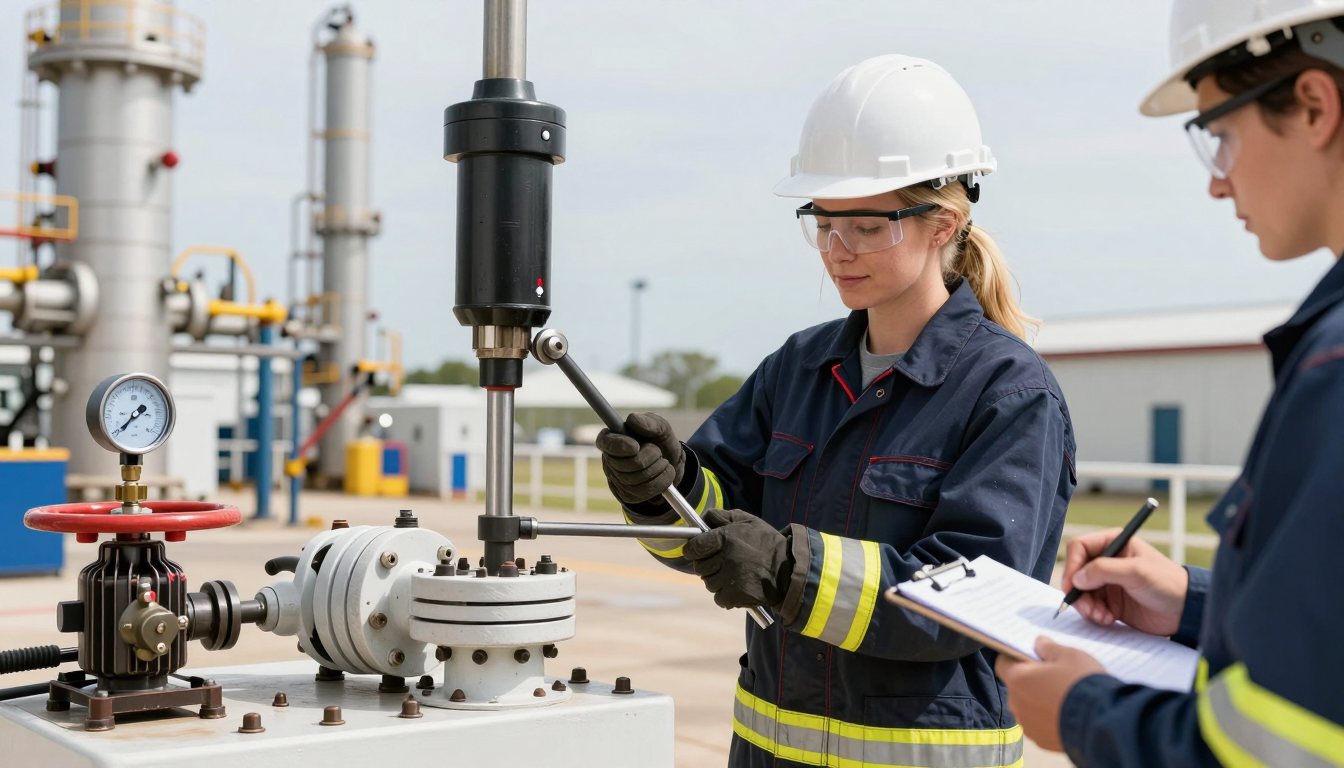

In-situ (on-site) machining allows damaged or distorted pressure-boundary components to be restored without removing them from service locations, reducing downtime and avoiding the risks of disassembly and transport. This course develops the technical judgment and hands-on skill required to survey flange flatness, set up portable flange facers, and machine full-face, raised-face, and ring-type joint (RTJ) sealing surfaces to the dimensional and surface-texture requirements of the governing standards. Emphasis is placed on measurement discipline, machine rigidity, and verification of the finished face before joint assembly.
Who Should Attend
- Mechanical and maintenance technicians assigned to bolted-joint and flange repair work
- Machinists transitioning from shop-based to field machining
- Turnaround, shutdown, and mechanical integrity supervisors
- QA/QC personnel responsible for accepting machined sealing surfaces
Learning Outcomes
- Explain the role of flange face geometry and surface finish in gasket sealing performance
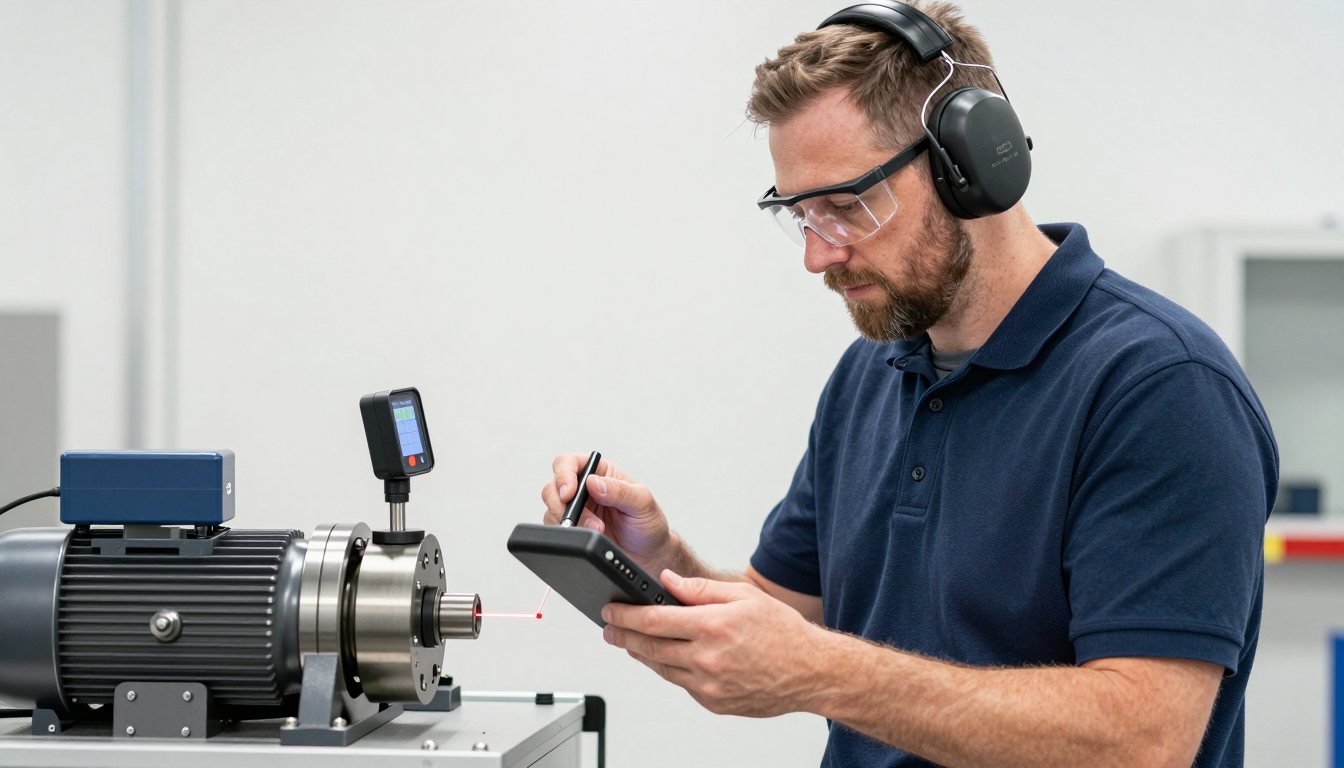
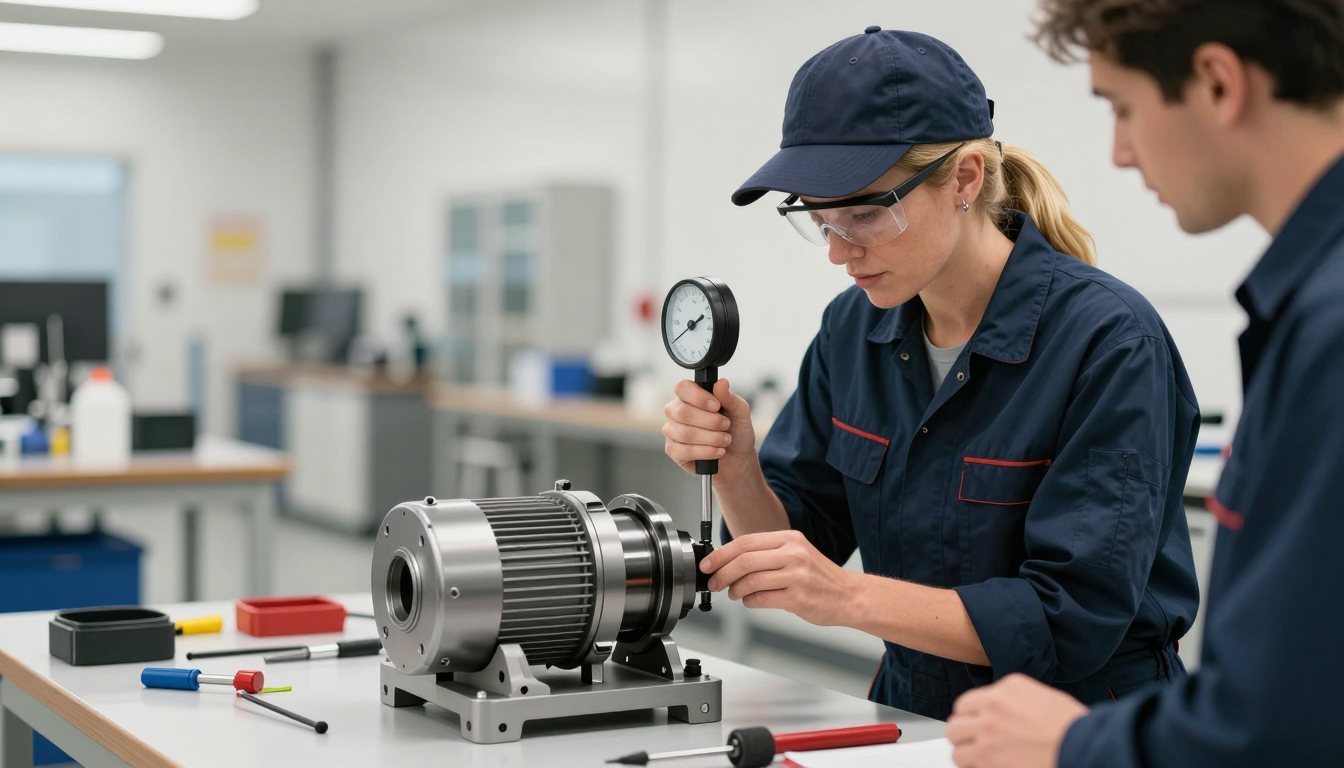
- Perform a flange flatness and run-out survey using laser or dial-indicator methods and record the results
- Select, mount, and level a portable flange facing machine for internal- or external-mount configurations
- Machine raised-face and full-face surfaces to a specified serrated or spiral finish
- Restore RTJ groove geometry within the dimensional tolerances of ASME B16.5 and ASME B16.47
- Verify surface roughness against ASME B46.1 parameters and prepare a machining completion report
Course Outline
- Module 1 — On-Site Machining Overview: applications, equipment families, and the competency route for field machinists
- Module 2 — Flange Design and Sealing Surfaces: flange types, facings, pressure classes, and dimensional data in ASME B16.5 and B16.47
- Module 3 — Flatness Surveying: measurement techniques, datum selection, interpretation of flatness and run-out data, and acceptance criteria
- Module 4 — Machine Set-Up and Rigidity: mounting, centering, leveling, tooling selection, and control of chatter
- Module 5 — Raised-Face and Full-Face Machining: facing passes, feed selection, and producing a phonographic or concentric serrated finish
- Module 6 — Ring-Type Joint Grooves: groove profile restoration, octagonal and oval ring seating, and gauging
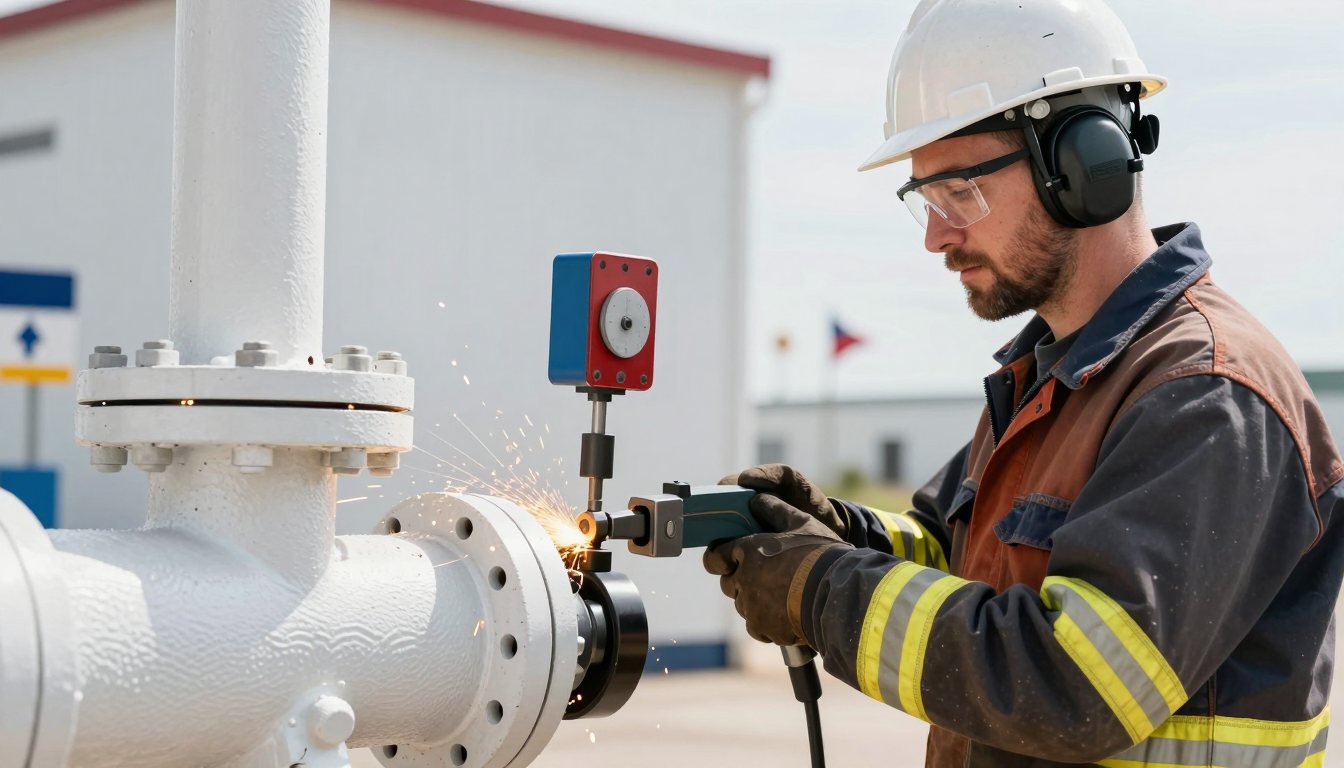
- Module 7 — Cutting and Weld Preparation: on-site pipe cutting and bevelling for weld end preparation
- Module 8 — Verification, Safety, and Reporting: surface texture measurement per ASME B46.1, permit-to-work controls, and documentation
Standards & References
ASME B16.5 — Pipe Flanges and Flanged Fittings (NPS 1/2 through NPS 24); ASME B16.47 — Large Diameter Steel Flanges (NPS 26 through NPS 60); ASME B46.1 — Surface Texture (Surface Roughness, Waviness, and Lay). ASME PCC-1 is referenced for flange face flatness tolerances prior to assembly.
Assessment & Certification
Candidate competence is evaluated through a written examination and a supervised practical assessment in which each candidate surveys and machines a flange face to specification. Successful candidates receive an IIME Certificate of Training bearing a unique verification code that can be confirmed online. The program comprises 40 contact hours (5 days).
1 certificates issued for this program
- A ASAAD R.Iraqi