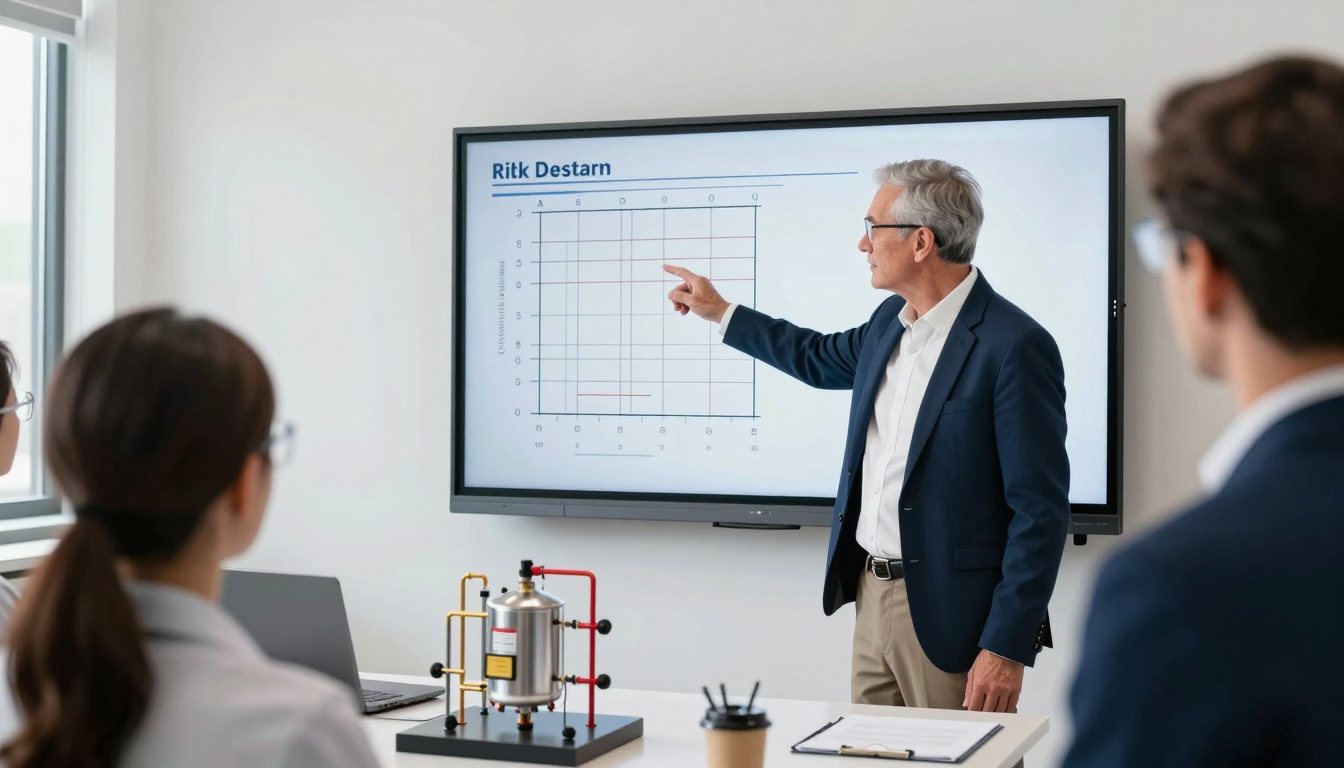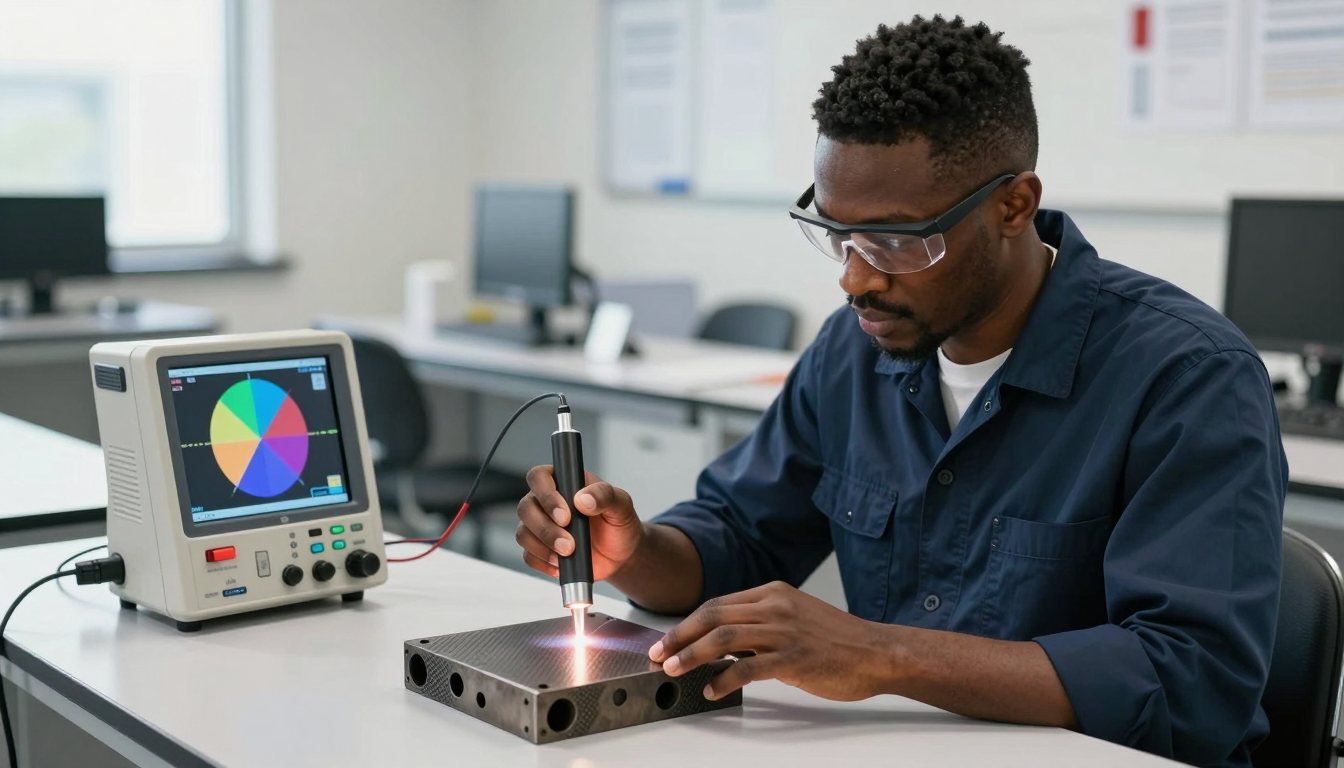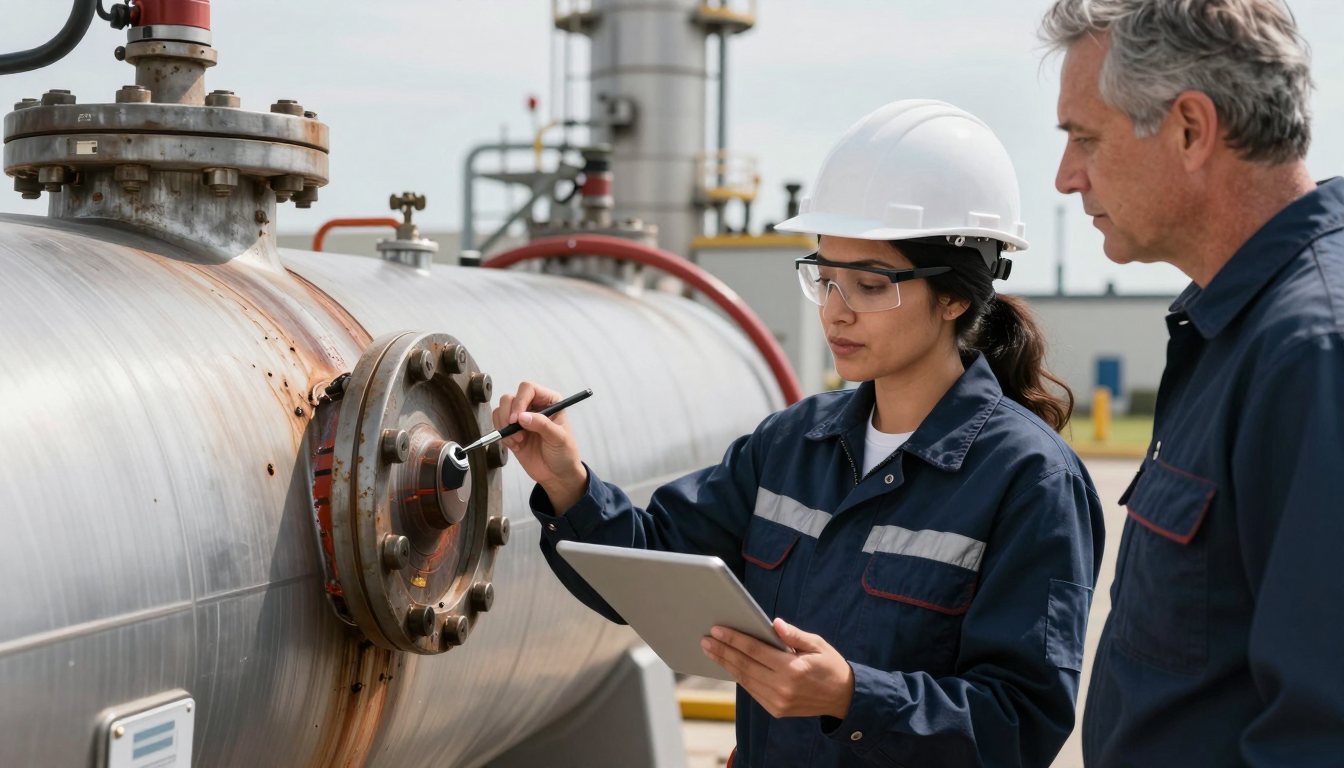

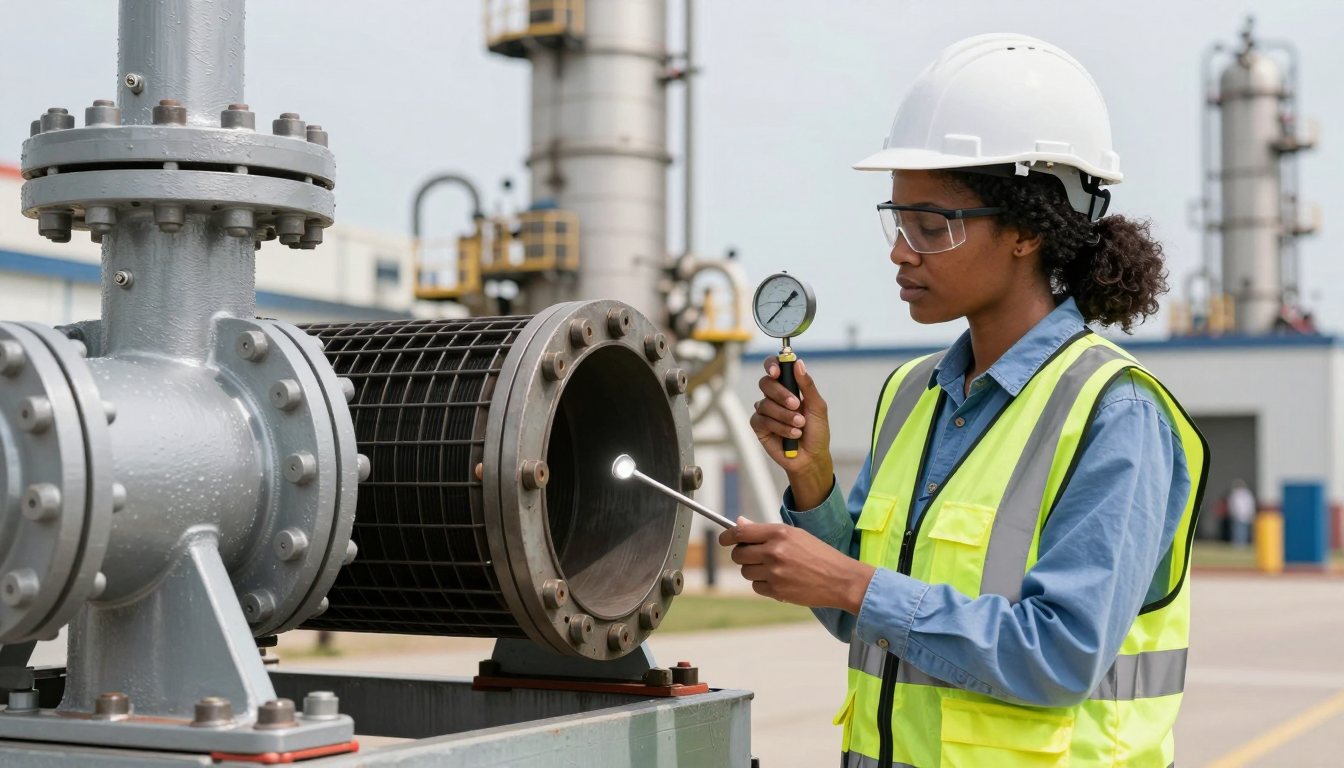
Heat exchangers are among the most numerous pressure equipment items in refineries, chemical plants and power stations, and their failures disrupt production and can create safety hazards. This five-day course develops competence in heat exchanger inspection, failure analysis and maintenance practices. Participants review exchanger types and components, the inspection requirements of API 510 and the guidance of API RP 572, and the damage mechanisms that affect shells, channels and tube bundles. Inspection techniques, tube testing methods, cleaning, repair options and pressure testing are examined with reference to real failure cases.
Who Should Attend
- Pressure equipment and plant inspectors
- Maintenance engineers and supervisors responsible for exchangers
- Reliability and corrosion engineers
- Turnaround planners and QA/QC personnel
Learning Outcomes
- Identify heat exchanger types, components and TEMA designations
- Apply the inspection requirements of API 510 and the guidance of API RP 572
- Recognize common damage mechanisms affecting shells, channels and tubes
- Select appropriate inspection and tube testing techniques
- Analyze typical failures and recommend corrective actions
- Plan cleaning, repair, plugging, retubing and pressure testing activities
Course Outline
- Module 1 — Introduction to Heat Exchangers: shell-and-tube, plate, air-cooled and double-pipe designs and components.
- Module 2 — Applicable Codes and Standards: API 510, API RP 572, ASME Section VIII and TEMA.
- Module 3 — Common Damage Mechanisms: corrosion, erosion, fouling, vibration, cracking and thermal fatigue.
- Module 4 — Inspection Techniques: visual, ultrasonic thickness and internal and external inspection.
- Module 5 — Tube Testing: eddy current, remote field, IRIS and leak testing.
- Module 6 — Failure Analysis: root cause methods and case studies.
- Module 7 — Maintenance Practices: bundle handling, cleaning, plugging, retubing, repair and pressure testing.
Standards & References
Course content draws on API 510 (Pressure Vessel Inspection Code: In-Service Inspection, Rating, Repair and Alteration) and API RP 572 (Inspection Practices for Pressure Vessels), with reference to the ASME Boiler and Pressure Vessel Code, Section VIII, and the Standards of the Tubular Exchanger Manufacturers Association (TEMA). Participants are introduced to the scope and application of each document; the current edition should always be consulted for project work.
Assessment & Certification
The program comprises 40 contact hours (5 days) of instruction. Assessment consists of a written examination and a practical exercise in which candidates evaluate inspection data from a heat exchanger and prepare maintenance recommendations. Successful candidates receive an IIME Certificate of Training bearing a unique verification code, which can be verified online.
6 certificates issued for this program
- A ASAAD H.Iraqi
- F FIRAS K.Iraqi
- S Said A.Syrian
- A Assad H.Iraqi
- S Sultan S.Syrian
- F Firas K.Iraqi