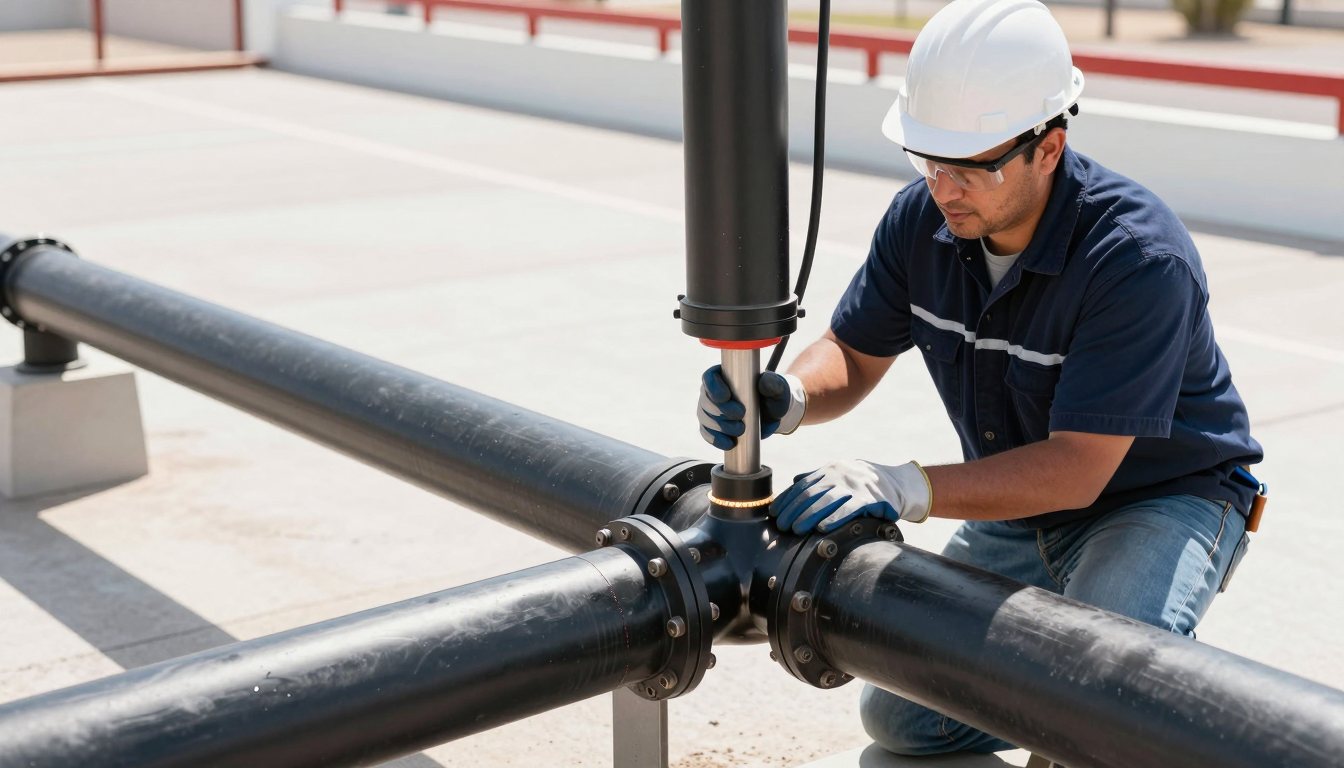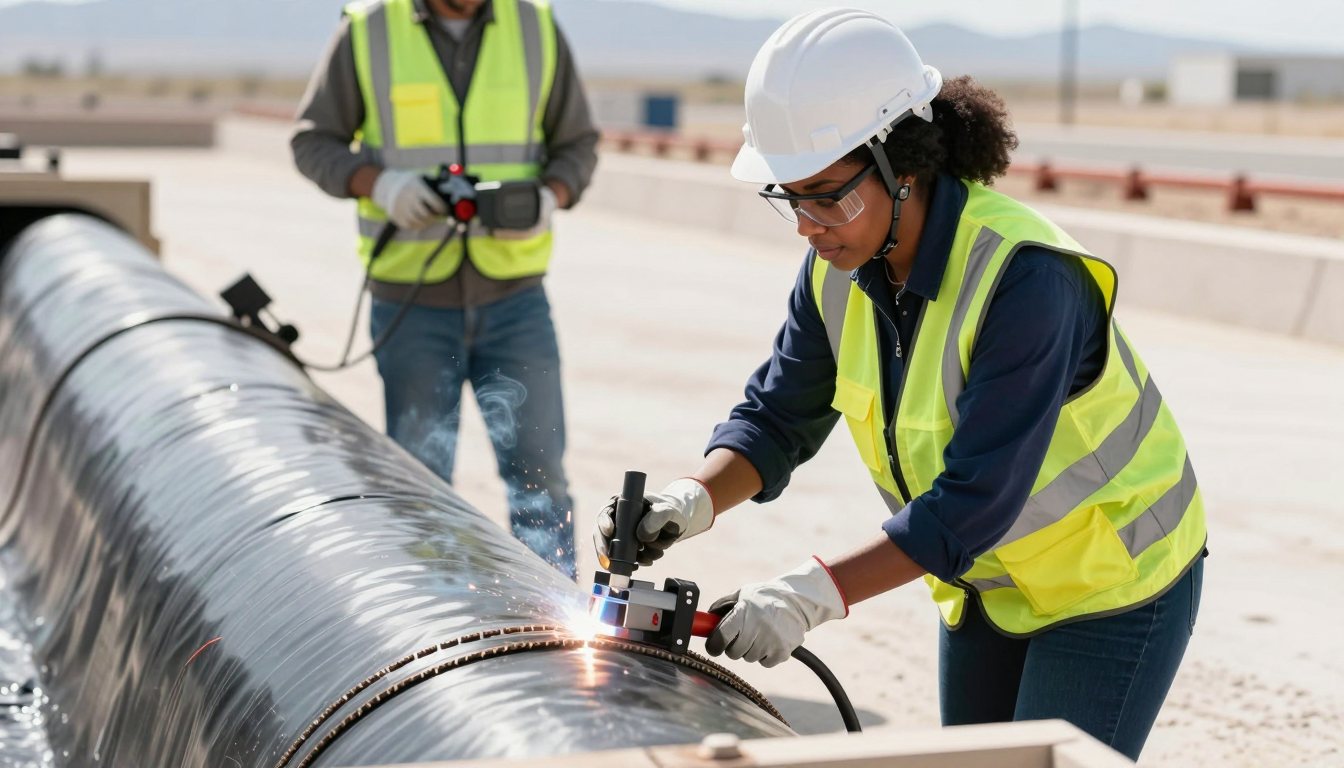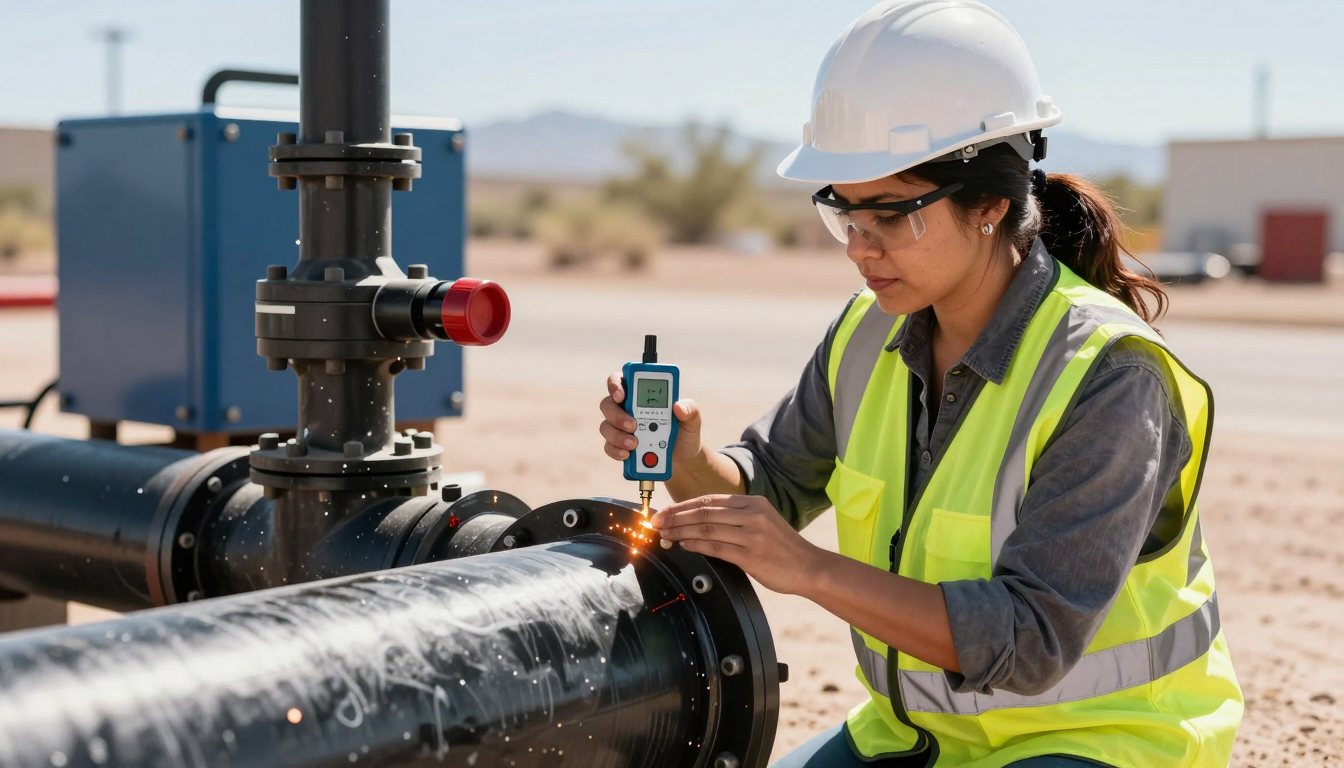

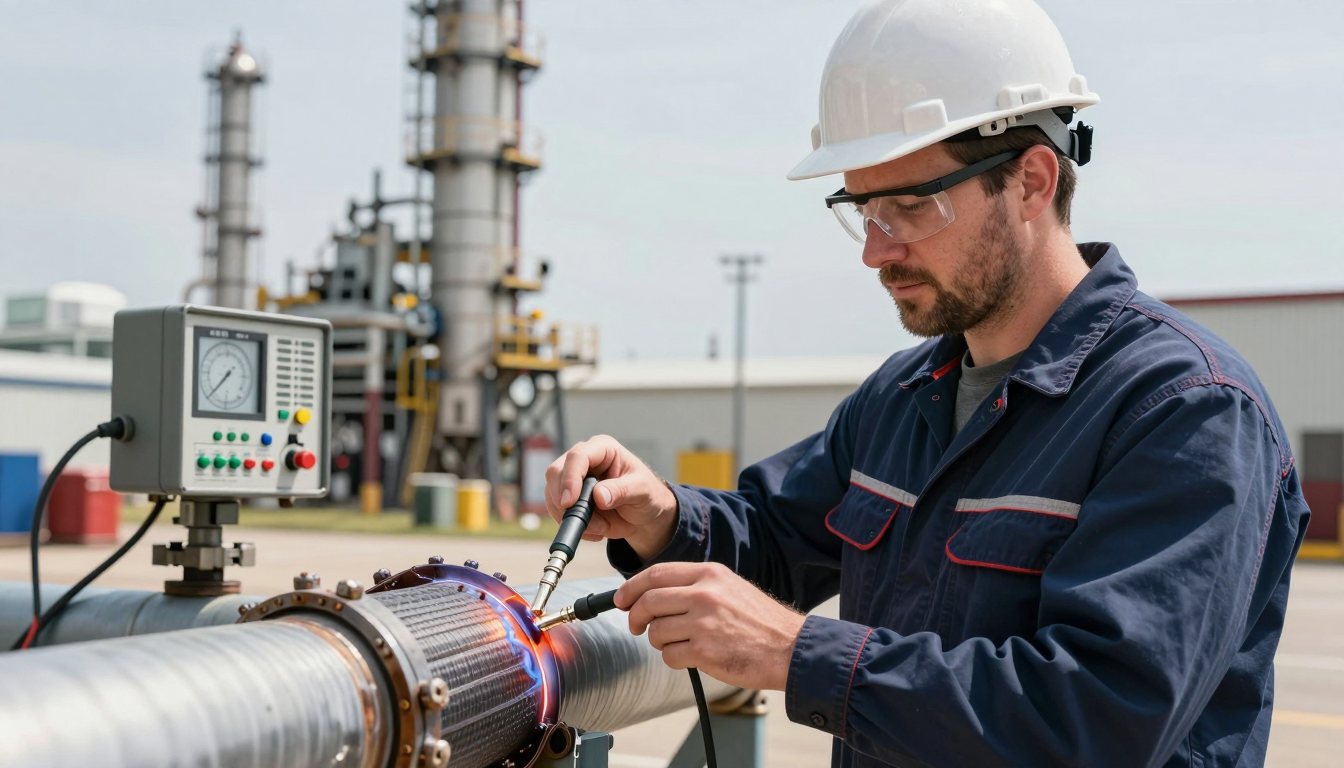
Post-weld heat treatment reduces residual stress, tempers hardened microstructures and is mandatory for many pressure equipment welds. This three-day Level 2 course provides the knowledge and practical understanding required to plan, implement, monitor and document PWHT safely and in compliance with code requirements. Participants study the metallurgical basis of heat treatment, compare furnace, electrical resistance and induction methods, and learn correct thermocouple placement and attachment, heated band and insulation sizing, and control of heating rate, soak and cooling. Chart interpretation and the recognition of nonconforming cycles are emphasized throughout.
Who Should Attend
- PWHT technicians and heat treatment operators
- Welding and QA/QC inspectors who witness or review heat treatment
- Fabrication and maintenance supervisors
- Mechanical and welding engineers specifying PWHT
Learning Outcomes
- Explain the metallurgical purpose of PWHT and its effects on residual stress and hardness
- Determine when PWHT is required and identify applicable temperature and holding time requirements
- Select an appropriate PWHT method and equipment for a given component
- Attach and locate thermocouples and size heated bands and insulation correctly
- Control and record heating rate, soak and cooling cycles
- Interpret PWHT charts and identify nonconforming cycles
- Apply electrical and thermal safety precautions
Course Outline
- Module 1 — Introduction to PWHT: purpose, history and typical applications.
- Module 2 — Heat Treatment Principles: metallurgy, residual stress, tempering and hardness.
- Module 3 — Code Requirements: exemptions, temperature ranges, holding times and rates.
- Module 4 — PWHT Methods: furnace, electrical resistance, induction and combustion heating.
- Module 5 — Equipment and Thermocouple Use: power units, heating elements, thermocouple types and attachment.
- Module 6 — Implementation and Monitoring: procedures, insulation, recording and chart review.
- Module 7 — Safety in PWHT Operations: electrical, burn and fire hazards and controls.
Standards & References
Course content draws on ASME Boiler and Pressure Vessel Code, Section VIII, Division 1 (Pressure Vessels); ASME Section IX (Welding, Brazing and Fusing Qualifications); API Standard 650 (Welded Tanks for Oil Storage); and ISO 17663 (Quality Requirements for Heat Treatment in Connection with Welding and Allied Processes). Participants are introduced to the scope and application of each document; the current edition should always be consulted for project work.
Assessment & Certification
The program comprises 24 contact hours (3 days) of instruction. Assessment consists of a written examination and a practical assessment in which candidates attach thermocouples, set up a heating arrangement and review PWHT charts. Successful candidates receive an IIME Certificate of Training bearing a unique verification code, which can be verified online.
3 certificates issued for this program
- S SHERWAN S.Iraqi
- M MOHAMMED M.Iraqi
- S SAGVAN M.Iraqi