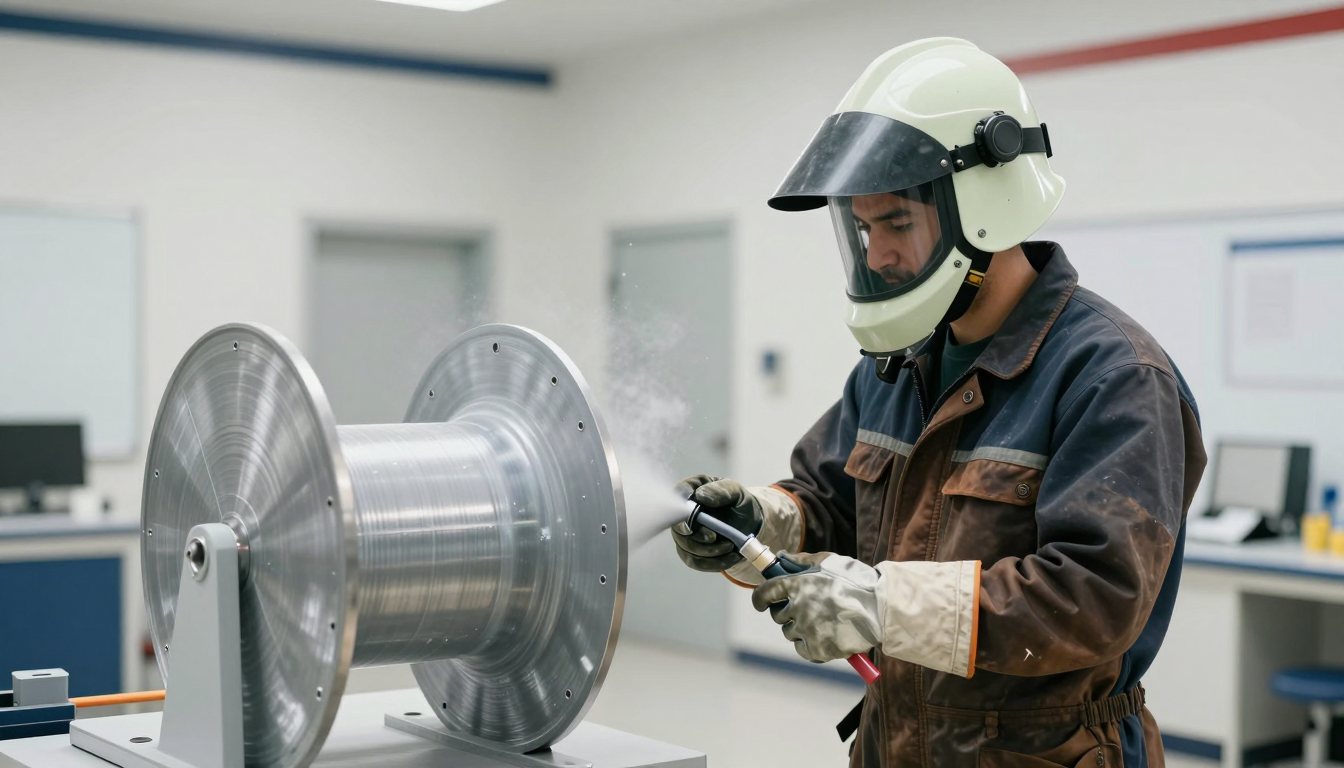

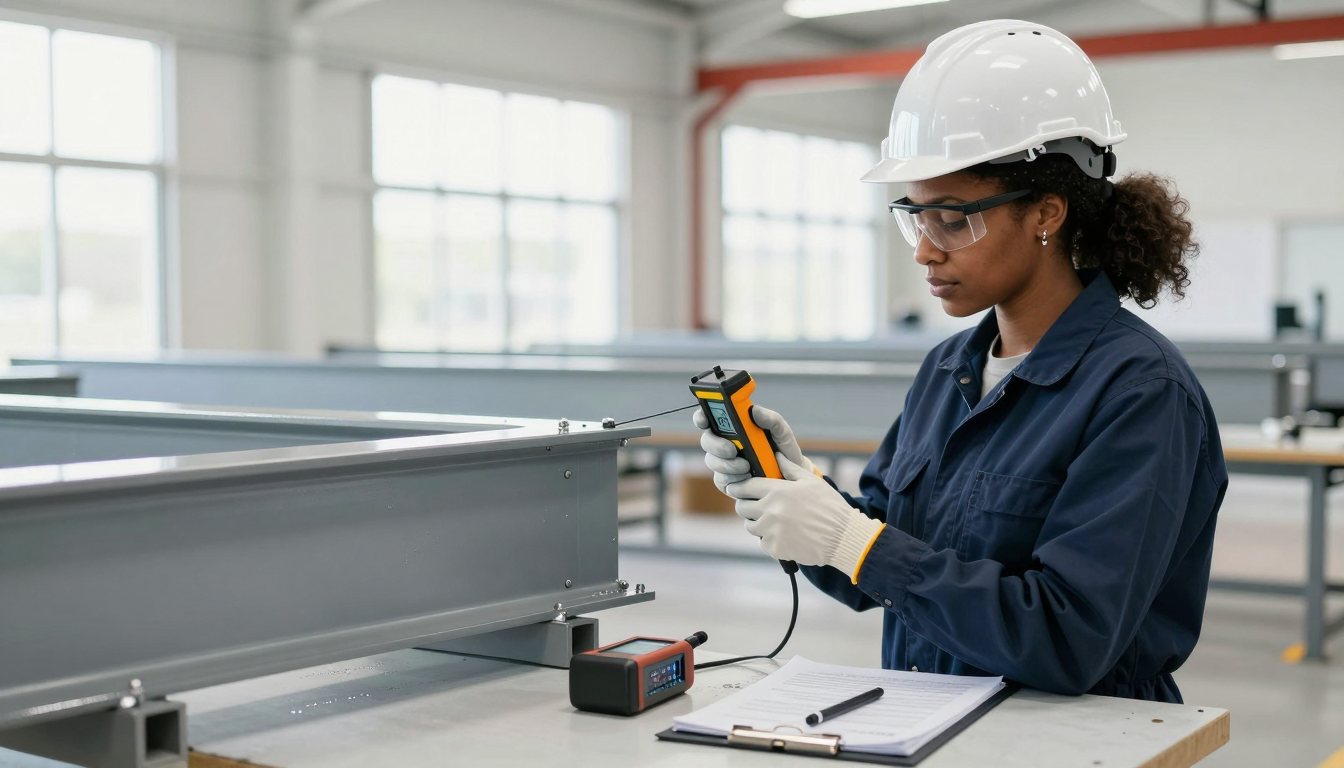
Premature coating failure is one of the most costly and preventable causes of corrosion damage on steel structures, tanks and piping. This five-day Level 2 course prepares inspectors to verify every stage of a protective coating project, from pre-blast surface condition and abrasive quality through ambient monitoring, film-build control and final acceptance. Participants work with the visual and instrumental methods used on industrial projects, interpret specification clauses against recognized standards, and learn to document nonconformances clearly and objectively for the owner, contractor and coating manufacturer.
Who Should Attend
- Coating inspectors seeking to advance from technician-level practice
- QA/QC personnel on fabrication, shipyard, pipeline and plant maintenance projects
- Painting supervisors and foremen responsible for specification compliance
- Asset integrity and corrosion engineers who review coating inspection records
Learning Outcomes
- Interpret coating specifications, normative documents and inspection and test plans
- Assess steel condition and surface cleanliness using ISO 8501-1 and SSPC visual standards
- Perform tests for soluble salts, dust, surface profile and abrasive contamination
- Measure and record ambient conditions, dew point and steel temperature against application limits
- Measure wet- and dry-film thickness and evaluate adhesion, holidays and cure
- Identify common coating defects, establish probable causes and recommend corrective action
- Prepare complete, traceable daily inspection reports
Course Outline
- Module 1 — QA, QC and Inspection Documents: specifications, ITPs, product data sheets and the inspector's role and authority.
- Module 2 — Corrosion and Surface Protection Principles: corrosion mechanisms, ISO 12944 environment categories and protection strategies.
- Module 3 — Surface Preparation: rust grades, preparation grades, hand and power tool cleaning, abrasive blasting and waterjetting.
- Module 4 — Surface Contamination Tests: soluble salts, dust assessment, oil and grease, and surface profile measurement.
- Module 5 — Control and Testing of Blasting Abrasives: abrasive types, conductivity, cleanliness and size distribution.
- Module 6 — Coating Categories, Constituents and Systems: binders, pigments, solvents, generic coating types and multi-coat systems.
- Module 7 — Application and Climatic Control: spray, brush and roller methods, dew point, relative humidity and steel temperature.
- Module 8 — Coating Tests, Defects and Reporting: film thickness, adhesion, holiday detection, cure tests, defect recognition and reporting.
Standards & References
Course content draws on ISO 12944 (Corrosion Protection of Steel Structures by Protective Paint Systems); ISO 8501-1 (Visual Assessment of Surface Cleanliness); ASTM Annual Book of Standards, Volumes 06.01 and 06.02 (Paint, Related Coatings and Aromatics); SSPC-VIS 1, SSPC-VIS 2 and SSPC-VIS 3; NACE VIS 7/SSPC-VIS 4 and NACE VIS 9/SSPC-VIS 5; recommended practices of AMPP (formerly NACE International); and BGAS painting specifications. Participants are introduced to the scope and application of each document; the current edition should always be consulted for project work.
Assessment & Certification
The program comprises 40 contact hours (5 days) of instruction. Assessment consists of a written examination and a practical assessment in which candidates perform and record surface preparation, environmental and coating film tests on prepared panels. Successful candidates receive an IIME Certificate of Training bearing a unique verification code, which can be verified online.
8 certificates issued for this program
- A ALI S.Iraqi
- T Trainee N.Emirati, Emirian, Emiri
- A ABDULDAYEM Y.Iraqi
- A AHMED H.Iraqi
- S SULTAN S.Syrian
- A ASAAD A.Iraqi
- A AMAR B.Iraqi
- S Said A.Iraqi