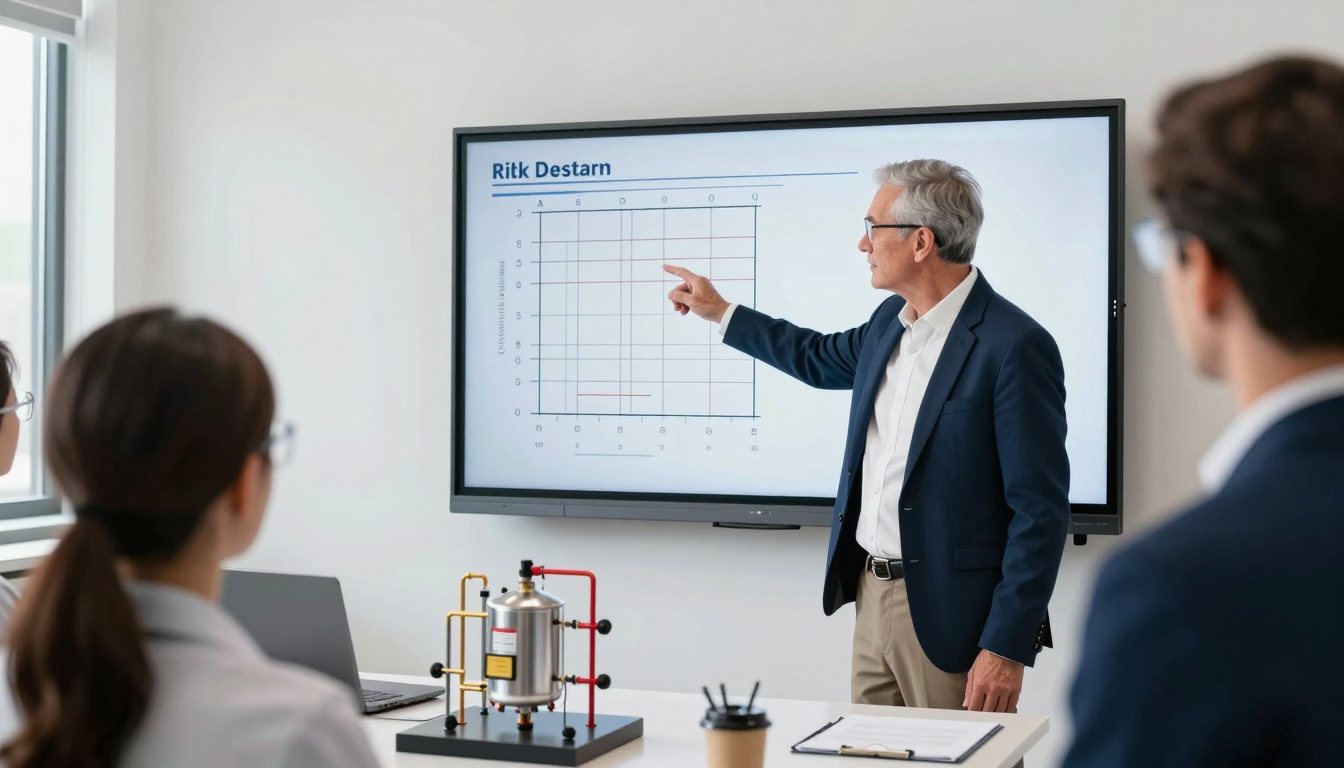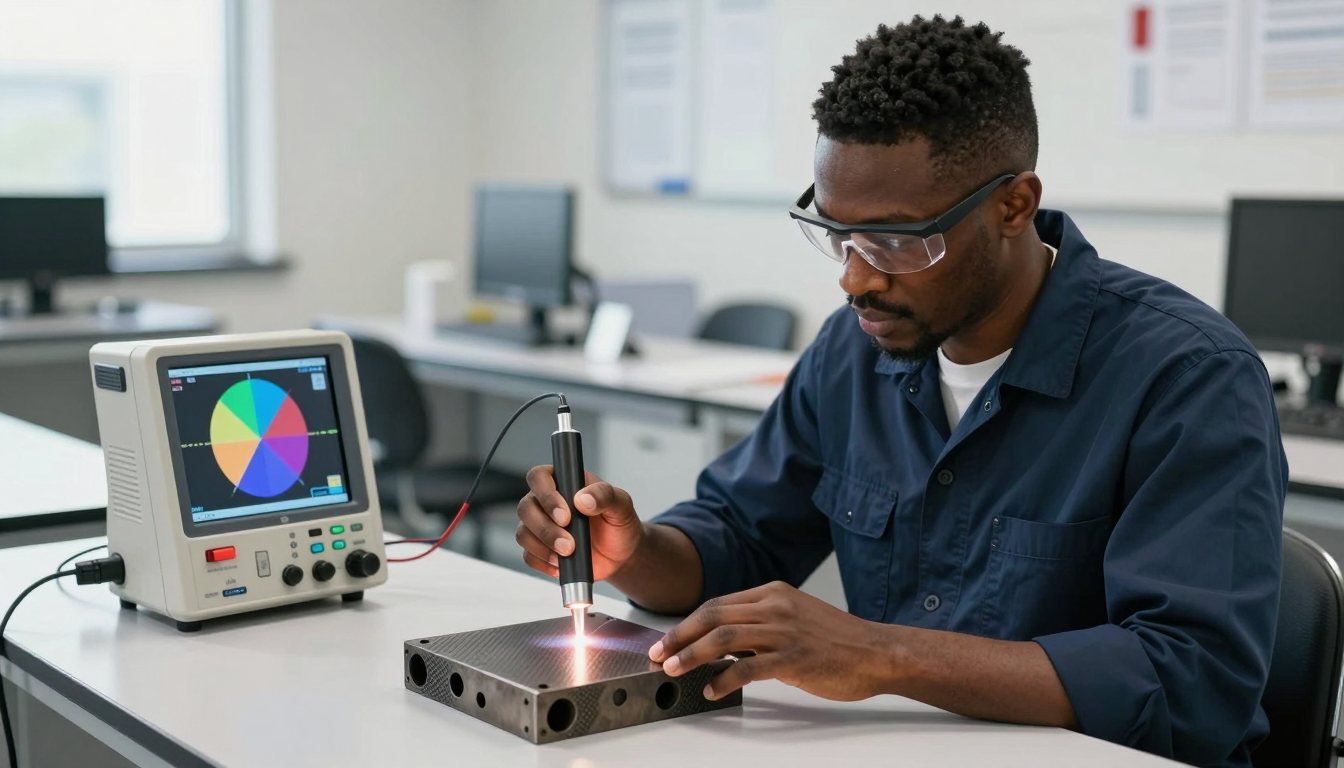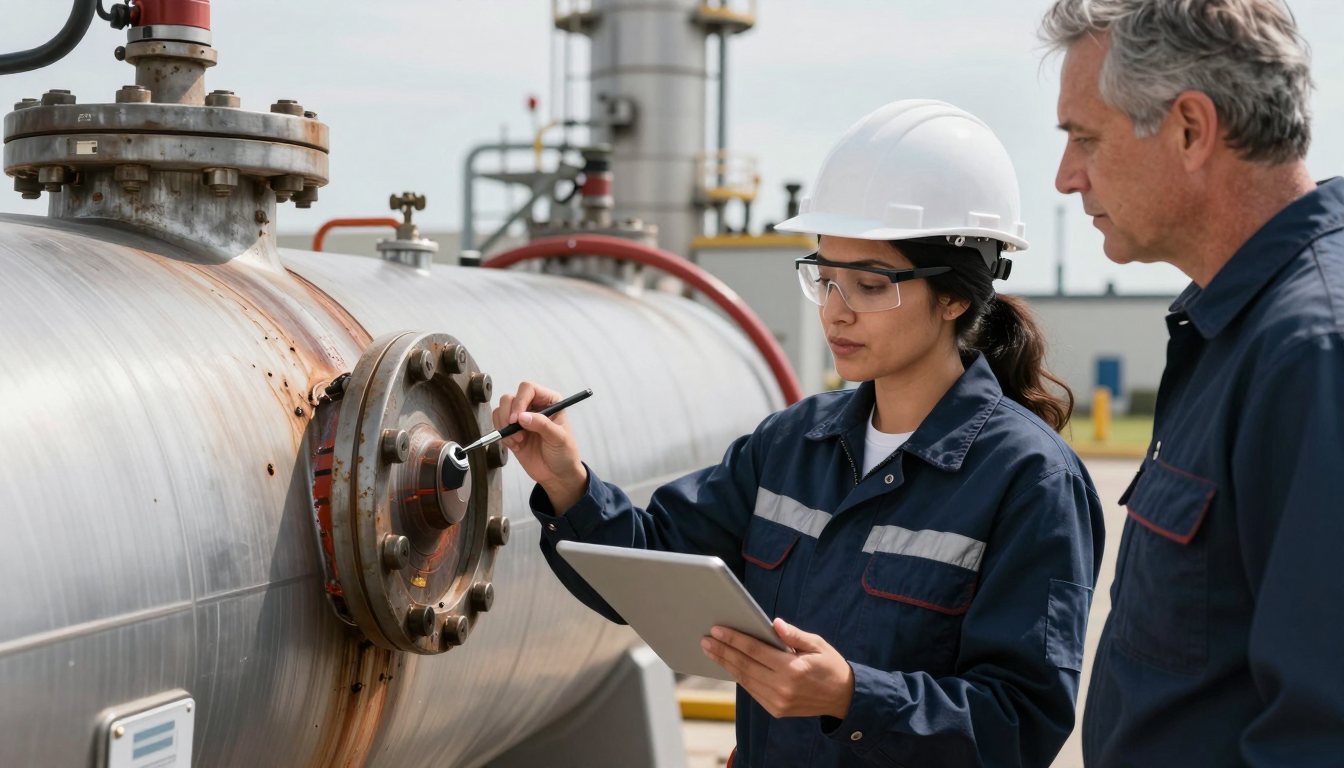
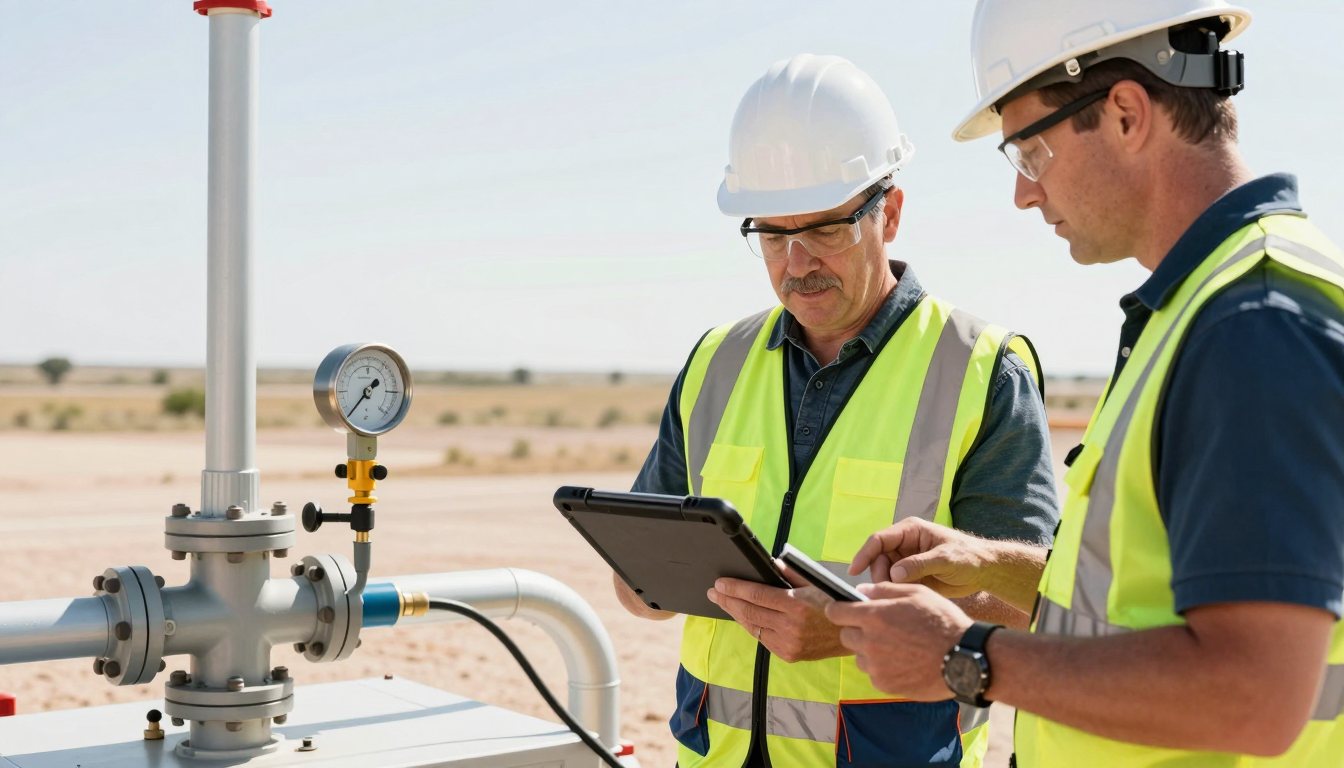
Pipelines and long piping systems present testing challenges that differ markedly from shop or plant hydrotests: large test volumes, elevation differences, long hold periods, temperature variation along buried sections, and strict regulatory documentation. This Level II course focuses on testing and verification of piping and pipelines, preparing participants to establish test requirements, sequence test sections, conduct safe tests, and confirm leak-tightness with confidence. Participants examine water and alternative test media, pressure–volume and pressure–temperature analysis, and methods for locating leaks. The course reflects US pipeline practice, including federal pressure test requirements.
Who Should Attend
- Pipeline construction and commissioning supervisors
- Pressure test technicians and hydrotest contractors
- Pipeline integrity and QA/QC engineers
- Operations personnel responsible for post-repair and requalification testing
Learning Outcomes
- Establish test pressures, durations, and acceptance criteria for piping and pipeline segments
- Plan test sections and schedules accounting for elevation profile and test volume
- Conduct pressurization, hold, and depressurization safely within defined exclusion zones
- Evaluate water and alternative test media, including their limitations and hazards
- Analyze pressure, temperature, and added-volume data to distinguish leaks from thermal effects
- Locate leaks using visual, acoustic, and tracer techniques consistent with ASTM E1003
- Prepare test records that satisfy code and regulatory requirements
Course Outline
- Module 1 — Establishing Test Requirements: code basis, design pressure, and federal test requirements
- Module 2 — Test Sections and Scheduling: segment selection, elevation effects, and test schedule
- Module 3 — Conducting a Safe Test: isolation, filling, air removal, pressurization, and exclusion zones
- Module 4 — Water as a Test Medium and Other Test Media: water quality, freezing, dewatering, and alternatives
- Module 5 — Leak Detection and Verification: pressure–volume analysis, thermal correction, and leak location
- Module 6 — Welded Joint Considerations: API 1104 weld quality and tie-in joints
- Module 7 — Records and Reporting: test certificates, charts, and regulatory documentation
Standards & References
ASME B31.3 — Process Piping; API 1104 — Welding of Pipelines and Related Facilities; ASTM E1003 — Standard Practice for Hydrostatic Leak Testing; BS EN 12162 — Liquid pumps: safety requirements, procedure for hydrostatic testing. Pipeline-specific references include ASME B31.4, ASME B31.8, API RP 1110 (pressure testing of steel pipelines), and 49 CFR Part 192 Subpart J and Part 195 Subpart E.
Assessment & Certification
Candidate competence is evaluated through a written examination and a practical exercise in test data analysis and leak verification. Successful candidates receive an IIME Certificate of Training bearing a unique verification code that can be confirmed online. The program comprises 24 contact hours (3 days).
16 certificates issued for this program
- M MUSTAFA H.Iraqi
- K KHALED K.Iraqi
- S SAUD A.Iraqi
- A ABD A.Iraqi
- A ALI A.Iraqi
- H HAIDER R.Iraqi
- R RAAD J.Iraqi
- S SAFA W.Iraqi