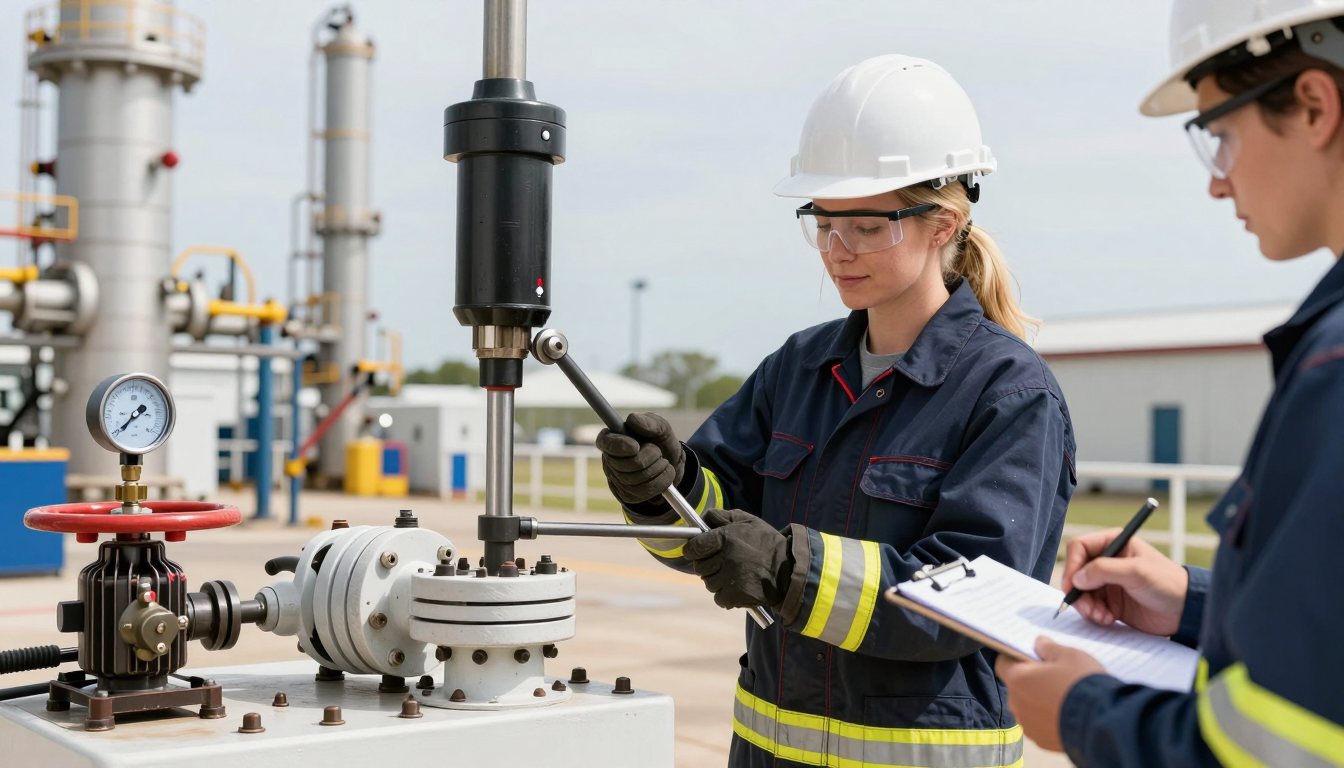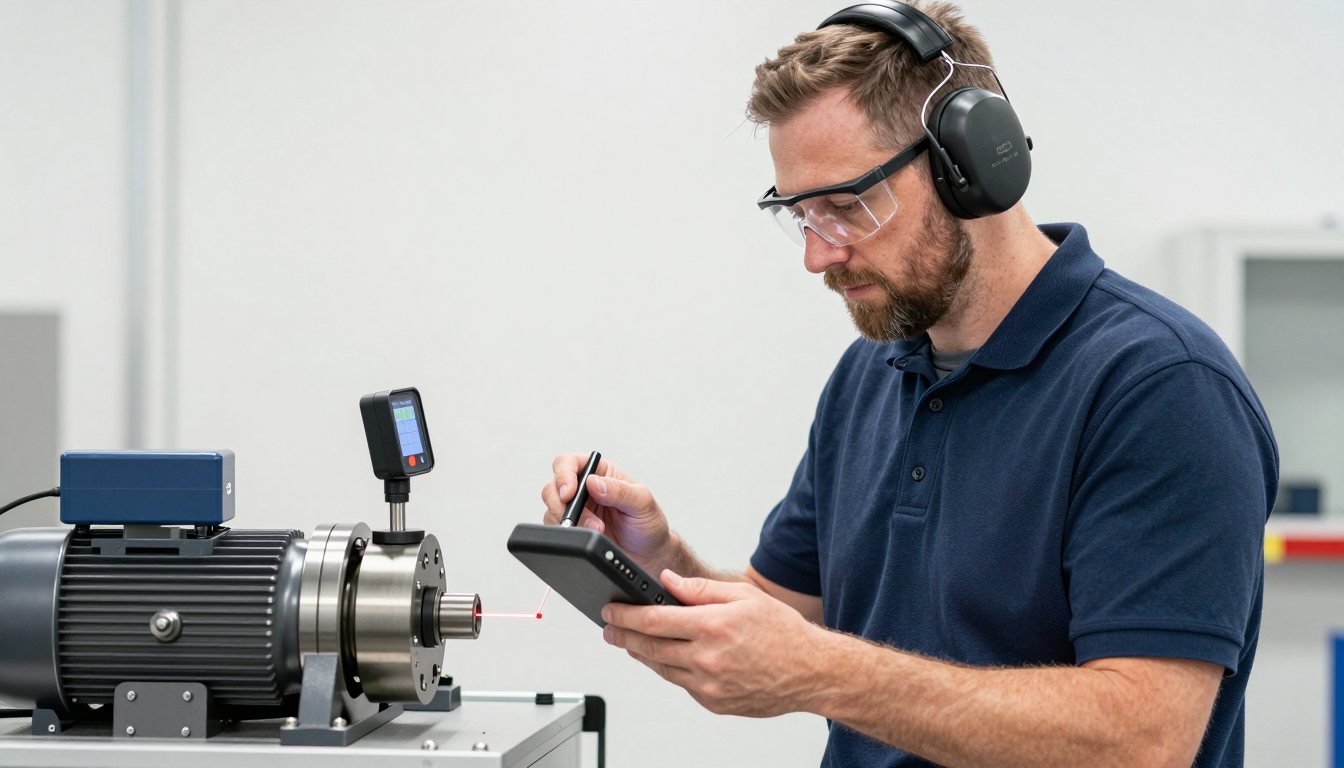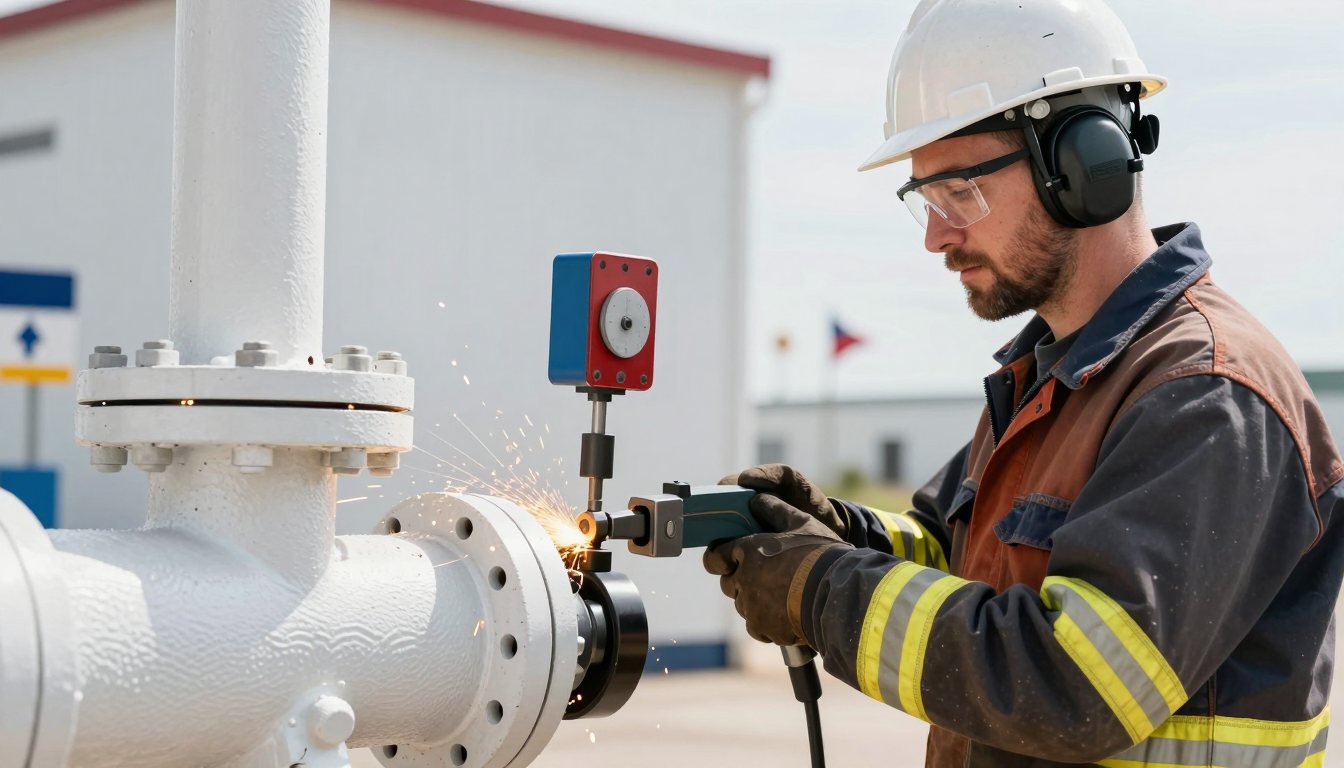

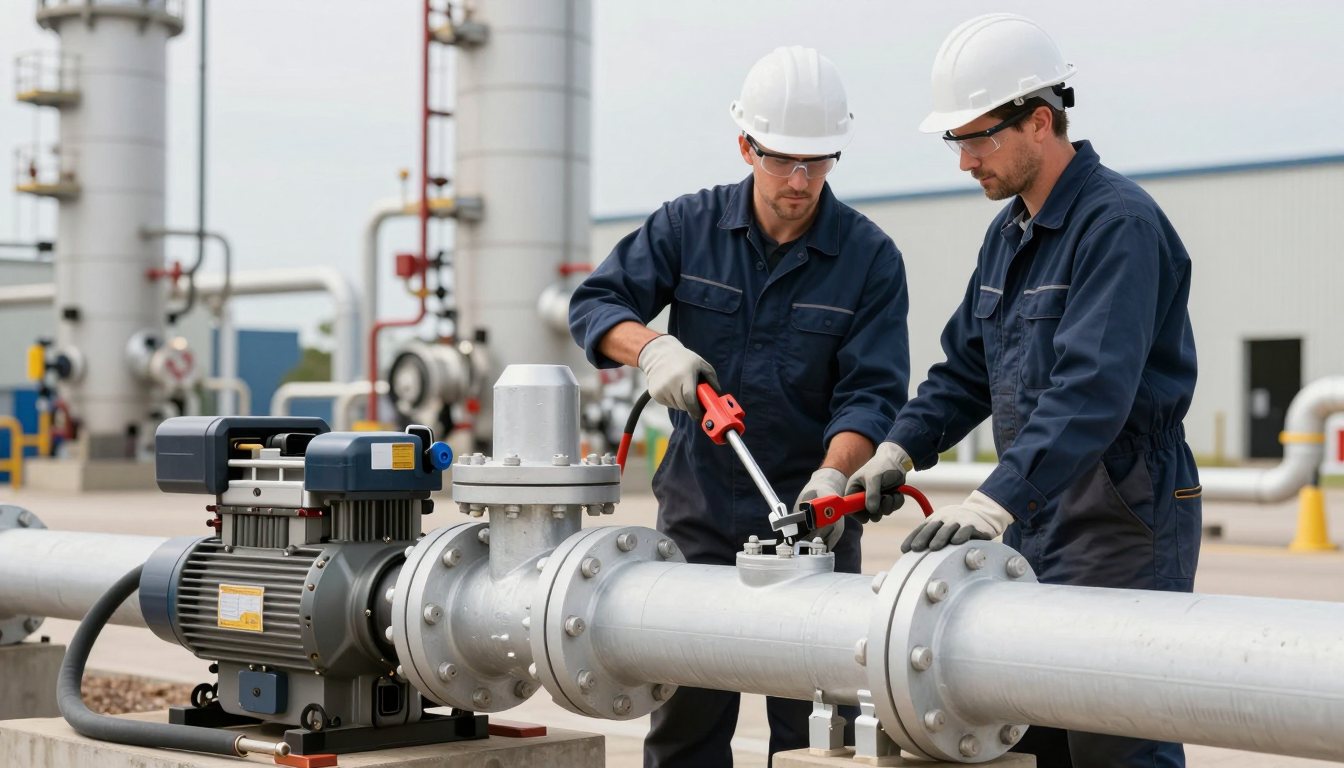
Leak-free bolted joints depend on achieving the correct, uniform bolt load, and hydraulic torque wrenches are among the most widely used tools for doing so on large-diameter fasteners. This two-day course develops safe and competent use of square-drive and low-profile hydraulic torque wrenches on pressure-boundary flanges and structural connections. Participants study the principles of bolting and flanges, the relationship between torque, friction and bolt preload, and the selection, setup and calibration of hydraulic tooling. Practical sessions cover assembly and disassembly following controlled tightening procedures and recognized health and safety precautions.
Who Should Attend
- Mechanical technicians and bolting technicians
- Pipefitters and millwrights working on flanged connections
- Maintenance and turnaround supervisors
- QA/QC personnel who verify bolted joint assembly
Learning Outcomes
- Apply health and safety controls for hydraulic bolting assembly and disassembly
- Explain bolt preload, the torque–tension relationship and the effect of friction and lubrication
- Select the correct hydraulic torque wrench, reaction arrangement and pump for a given joint
- Convert target torque to pump pressure using manufacturer data
- Execute a controlled tightening sequence on a flanged joint in accordance with ASME PCC-1
- Inspect, maintain and verify calibration status of torque tools
Course Outline
- Module 1 — Health and Safety in Bolted Assembly: hydraulic hazards, pinch points, reaction forces and safe working zones.
- Module 2 — Health and Safety in Bolted Disassembly: breaking out seized fasteners, stored energy and line isolation.
- Module 3 — Principles of Bolting: bolt preload, torque, friction, lubrication and fastener materials.
- Module 4 — Principles of Flanges: flange types, faces, gaskets and the mechanics of joint sealing.
- Module 5 — Hydraulic Tooling: square-drive and low-profile wrenches, pumps, hoses, reaction arms and calibration.
- Module 6 — Controlled Tightening Practice: tightening patterns, passes, records and joint verification.
Standards & References
Course content draws on ASME PCC-1–2022 (Guidelines for Pressure Boundary Bolted Flange Joint Assembly); ASME B107.14 (Hand Torque Tools); ISO 6789-1:2017 (Hand Torque Tools — Requirements and Methods for Design Conformance Testing); and ISO 6789-2:2017 (Requirements for Calibration and Determination of Measurement Uncertainty). Participants are introduced to the scope and application of each document; the current edition should always be consulted for project work.
Assessment & Certification
The program comprises 16 contact hours (2 days) of instruction. Assessment consists of a written examination and a practical assessment in which candidates set up a hydraulic torque wrench and complete a controlled tightening sequence on a training flange. Successful candidates receive an IIME Certificate of Training bearing a unique verification code, which can be verified online.
11 certificates issued for this program
- A AHOURA A.Iraqi
- M MUSAAB K.Iraqi
- M MOHAMMED S.Iraqi
- S SIRVAN G.Iraqi
- R RIMON O.Iraqi
- I IBRAHIM H.Iraqi
- M MOHAMED S.Iraqi
- K KRISHMAMANI L.Iraqi