

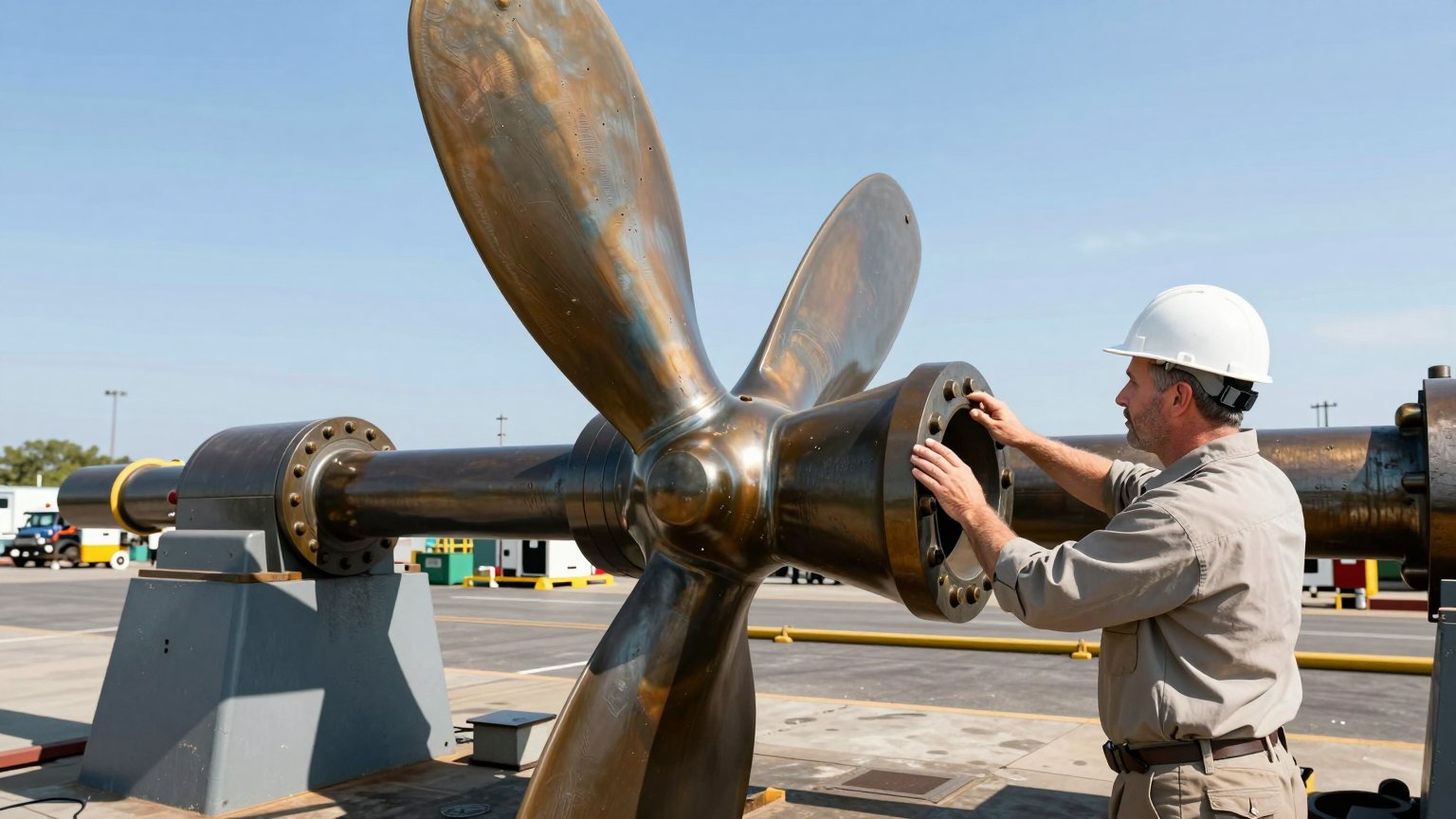
Ships and offshore structures are built and maintained under the scrutiny of classification societies and flag administrations, in one of the most corrosive environments that engineered steel encounters. IIME supports shipyards, repair yards, vessel operators and marine contractors with training pathways, examination-based personnel certification and competency assessment focused on welding, inspection, corrosion control and shipboard safety.
Sector challenges
Seawater, wet-dry cycling and cargo-related chemistry make corrosion the dominant long-term threat to hull and tank structures. Coating breakdown in ballast tanks and void spaces, insufficient surface preparation, inadequate film thickness and poorly maintained cathodic protection lead directly to steel loss, costly renewals and, if neglected, structural failure. Because the coating system is effectively a structural safeguard, its specification, application and inspection are subject to class and international requirements.
Hull fabrication and repair depend on qualified welding procedures and welders, and on volumetric inspection able to detect planar defects in critical joints. Fatigue cracking at structural details is a recurring in-service finding, and its detection and repair require competent inspectors and welders.
Shipboard systems add further obligations. Refrigeration plant must be handled in accordance with environmental controls on ozone-depleting and fluorinated refrigerants, and breathing apparatus used for enclosed-space entry and firefighting must be tested and maintained so that it functions when required.
How IIME supports your workforce
- Corrosion-control pathways progressing from surface preparation and coating application to supervision and coating inspection, together with cathodic protection testing.
- Fabrication and inspection pathways covering welding principles, welder qualification training and phased array ultrasonic inspection of welds.
- Personnel certification with examination-based awards; every certificate carries a unique code that employers, clients and auditors can verify online at ii-me.us/verify.
- Workforce competency assessment for yard and shipboard personnel, providing documented evidence for class surveys, owner audits and contract qualification.
- In-company delivery at yards and repair facilities, scheduled around dry-docking and newbuilding programs.
- Training-center accreditation for providers serving maritime regions and port communities.
IIME programs for the maritime sector stress the documentary discipline that classification and owner surveys demand. Coating personnel learn to record environmental conditions, surface profile and film thickness in a form an inspector can verify; welders and NDT technicians learn how procedure and acceptance criteria are traced through the build record. This emphasis on evidence supports smoother surveys and fewer disputes at delivery.
Codes & standards we align with
- ABS Rules for Building and Classing Marine Vessels and DNV rules for classification of ships, including their welding and materials requirements
- IMO Performance Standard for Protective Coatings (PSPC), Resolution MSC.215(82), for dedicated seawater ballast tanks
- ISO 8501-1 visual assessment of surface cleanliness and ISO 12944 corrosion protection by protective paint systems
- ISO 12473 general principles of cathodic protection in seawater
- AWS D1.1 and ISO 9606-1 for structural welding and welder qualification
- ISO 9712 qualification and certification of NDT personnel
- MARPOL Annex VI and US EPA Section 608 requirements for refrigerant management
IIME programs are designed to build the knowledge and practical skill that these documents presuppose. They do not replace certifications issued directly by code bodies or the qualification requirements set by an owner, jurisdiction or authorized inspection agency.
Recommended programs
The recommended programs below follow the main technical demands of shipbuilding and ship repair: preparing and protecting steel, verifying coating quality, maintaining cathodic protection, producing and inspecting sound welds, and managing shipboard refrigeration and breathing apparatus safely.
- Surface Preparation & Protective Coating Supervisor
- Protective Coating & Painting Inspection – Level 2
- Cathodic Protection Tester (CP1)
- Welding Process Principles and Practices
- SMAW 3G Groove Welding Qualification Training
- Phased Array Ultrasonic Testing (PAUT) – Level II
- Chlorofluorocarbon (CFC) Refrigerant Handling
- SCBA Testing & Inspection
Engagement models
Marine clients frequently organize in-company cohorts around dry-docking periods and newbuilding milestones, supported by open enrollment for inspectors and supervisors.
- Open enrollment: coating inspectors, welders, NDT technicians and supervisors attend scheduled programs alongside peers from other yards and operators.
- In-company cohorts: dedicated groups trained at the yard or a nominated center, aligned with production and docking schedules.
- Competency assessment: evaluation of yard and shipboard personnel against defined role requirements, supporting class and owner audits.
- Training-center accreditation: qualified maritime training providers may apply to deliver IIME programs and examinations under institutional oversight.
Each engagement begins with a definition of the roles concerned, the tasks those roles perform and the evidence of competence the organization requires. Program selection, assessment design and certification scope follow from that definition, so that the outcome is a documented and verifiable record of workforce capability.